






The Probiotic Promise
Probiotics have become a buzzword in wellness circles, and for good reason. These are live beneficial bacteria, often found in fermented foods like yogurt, kefir, and kimchi, as well as in popular new snack bars and drinks. The promise is simple: introduce
these 'good' microorganisms into your gut to help balance your internal ecosystem, improve digestion, and support your immune system. They work by replenishing the good bacteria in your gut and competing with harmful pathogens, creating a healthier environment overall. This has led to a boom in products that make it easy to get a quick dose of these friendly microbes. However, simply adding them to your system is only half the story.
The Unsung Hero: Prebiotic Fibre
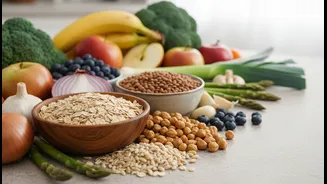
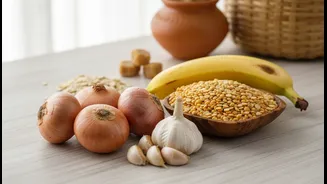
This is where fibre, specifically prebiotic fibre, enters the picture. Think of probiotics as seeds you plant in a garden. For those seeds to grow and flourish, they need fertile soil and nourishment. Prebiotics are that nourishment. Prebiotics are non-digestible fibres found in many plant-based foods, such as whole grains, lentils, bananas, onions, and garlic. Your body doesn't digest these fibres; instead, they travel to your colon, where they become the primary food source for your beneficial gut bacteria, including the probiotics you consume. Without this fuel, probiotic bacteria struggle to survive and multiply, making their benefits short-lived.
Why Probiotics Fail in a Low-Fibre World
A diet low in fibre is like trying to grow a garden in a desert. You can scatter all the best seeds (probiotics), but without rich soil and water (prebiotics), they won't take root. When you consume a probiotic snack but your overall diet lacks fibre, those beneficial bacteria arrive in your gut with nothing to eat. They are less effective and can't establish a thriving colony. In fact, a chronically low-fibre diet can do more than just starve new probiotics; it can harm your existing gut microbiome. When deprived of fibre, some gut microbes can begin to feed on the protective mucus lining of your intestines, potentially leading to inflammation and increased susceptibility to infection.
The Power of a Synbiotic Approach
The most effective strategy for gut health is what experts call a 'synbiotic' approach, which means consuming both probiotics and prebiotics so they can work together synergistically. This doesn't necessarily mean you need expensive supplements. The goal is to create a diet that naturally supports a healthy gut. Focus first on building a foundation rich in fibre. Prioritizing fibre is more powerful than just adding new bacteria, because it feeds the trillions of microbes already living in your gut. Studies show that focusing on a diet rich in fermented and high-fibre foods is often more beneficial than relying on supplements alone for those with a generally healthy digestive system.
Building a Gut-Healthy Diet
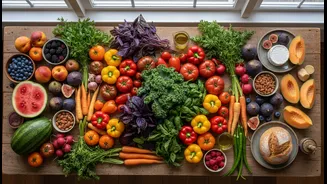
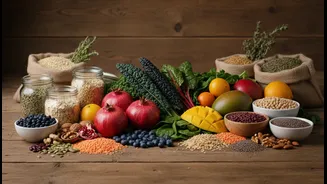
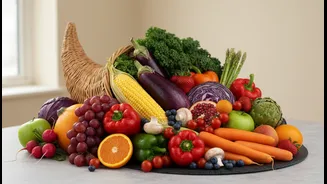
So, what does this look like in practice? It’s about making mindful, consistent choices. Aim to incorporate a wide variety of plant-based foods into your meals to ensure you’re getting diverse types of fibre. Excellent sources of prebiotic fibre readily available in India include lentils (dals), chickpeas, whole grains like oats and barley, onions, garlic, and fruits like bananas and apples. Pair these with natural probiotic sources. A bowl of dahi (yogurt) with your lunch, a side of homemade pickle, or enjoying foods like idli and dosa, which are fermented, are great ways to introduce beneficial bacteria. By feeding your gut what it truly needs — a colourful variety of fibre-rich plants and fermented foods — you create a robust ecosystem where beneficial bacteria can thrive long-term.