






The New Monsoon Reality
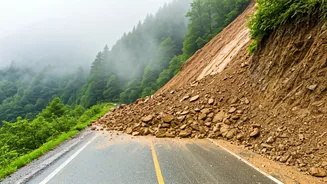
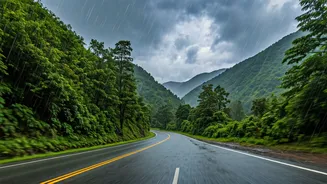
For decades, monsoon getaways were a cherished tradition. Today, that tradition comes with a significant caveat. Climate change has intensified rainfall, leading to an alarming increase in flash floods, landslides, and infrastructure damage, particularly
in ecologically sensitive regions like the Himalayas and the Western Ghats. News reports from recent years are filled with stories of tourists stranded in places like Himachal Pradesh, Uttarakhand, and Kerala due to roads being washed away or blocked by debris. This isn't about fear-mongering; it's about acknowledging a new reality. The spontaneity of a monsoon trip now has to be balanced with rigorous, informed planning. The concept of a 'safe route' is no longer just about avoiding traffic; it's about avoiding genuine, life-threatening hazards.
Pre-Trip Research: Your First Line of Defence
Your safety planning should begin long before you pack your bags. Start by monitoring official sources. The India Meteorological Department (IMD) is your most crucial resource. Their website and app, 'Mausam', provide district-level weather warnings, including alerts for heavy rainfall (orange and red alerts). Beyond the forecast, check the websites of the State Disaster Management Authority (SDMA) for your destination. They often issue specific advisories about vulnerable roads or areas to avoid. Local news outlets in the destination state are also invaluable for real-time updates on road conditions. A simple search a few days before your trip can reveal if a key highway is blocked or if a region is experiencing unexpected flooding. Don't rely solely on a single travel blog or influencer post from a previous year; conditions are dynamic and change rapidly.
Choosing Your Destination Wisely
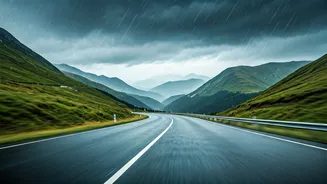
Not all monsoon destinations are created equal when it comes to risk. While the lush green hills are tempting, mountainous regions are at the highest risk for landslides during heavy downpours. If you have your heart set on the hills, consider shoulder periods of the monsoon (early June or late September) when rainfall is typically less intense. Alternatively, explore destinations with more stable topography. The plateaus of the Deccan, parts of Rajasthan that transform beautifully after the rains, or coastal areas with robust infrastructure can be wonderful and safer alternatives. Places like Orchha in Madhya Pradesh or the backwaters of Kerala (while still requiring caution for flooding) often have better-managed tourist circuits compared to remote Himalayan villages. The key is to match your appetite for adventure with a realistic assessment of the risks.
On-the-Road Safety Checklist
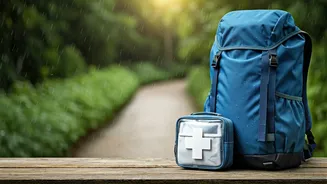
Once you're on your way, vigilance is paramount. Always travel during daylight hours, as it's much harder to spot hazards like potholes, waterlogging, or fallen rocks at night. Before setting off each day, speak with locals, your hotel manager, or local taxi drivers about the condition of the roads you plan to take. Their on-the-ground knowledge is often more current than any app. Be flexible with your itinerary. If you hear of a blocked road or receive a heavy rain warning, be prepared to change your plans, even if it means staying an extra day in one place. Keep an emergency kit in your vehicle, including a first-aid box, a powerful torch, a power bank, dry snacks, and extra water. And most importantly, always let a friend or family member who is not travelling with you know your daily itinerary.
Technology as Your Travel Co-Pilot
Leverage technology to stay informed. Google Maps provides real-time traffic data and often marks road closures, but don't rely on it exclusively for navigating remote areas where its information may be outdated. Download offline maps of your entire route area before you leave. In addition to the IMD’s 'Mausam' app for weather forecasts, their 'Damini' app provides lightning alerts, which can be critical if you're outdoors. Several state police departments also have emergency apps or helpline numbers active on platforms like X (formerly Twitter). Following the official handles of the local police and traffic authorities for your destination can provide instant, life-saving updates that booking portals won't have.