




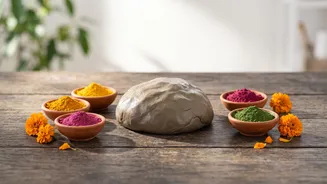

The Heart of the Celebration: The Idol
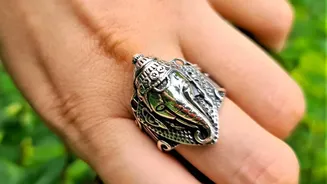
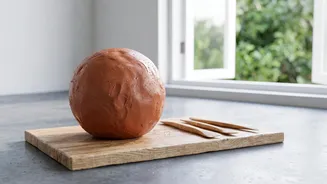
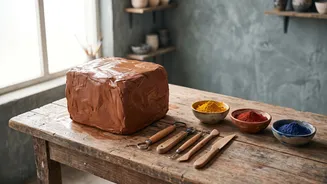
The single most significant choice for a green festival is the idol itself. Traditionally, idols were made of river clay, returning to the earth upon immersion. However, Plaster of Paris (PoP) idols have become common. PoP is non-biodegradable and releases
harmful chemicals like mercury and lead into water bodies, poisoning aquatic life. This year, consider embracing tradition by choosing an idol made from natural, unbaked clay, often called 'shadu mati'. These dissolve easily in water. Other beautiful alternatives include idols made from turmeric, rice flour, or even those embedded with seeds that can be planted after the festival, allowing Bappa’s blessings to grow into a plant. By opting for a clay idol, you take a powerful step towards protecting the very nature that the festival honours.
Decorations That Dazzle, Not Damage
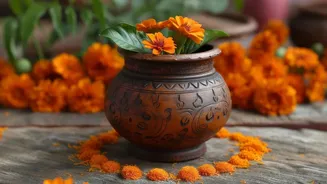
Festive decorations bring life to our homes, but often involve single-use plastics and thermocol, which add to landfill waste. A low-waste approach uses natural and reusable materials. Adorn your mandap with fresh flower garlands, mango leaves, and banana leaves, which are not only traditional but also fully compostable. Instead of plastic ribbons, use old sarees or colourful dupattas to create vibrant backdrops and torans. For lighting, choose traditional clay diyas over excessive electric lights; if using string lights, opt for energy-saving LEDs. You can also get creative with DIY decorations made from recycled paper, cardboard, or painted terracotta plates, making the preparations a fun family activity.
Conscious Feasting: Prasad and Meals
No festival is complete without delicious food, but large gatherings can lead to significant food waste. Plan your menu carefully and cook in mindful quantities. When serving prasad and meals, ditch disposable plastic or styrofoam plates. Instead, use traditional banana leaves, leaf plates (donnais), or simply your own reusable steel or ceramic tableware. This small change drastically reduces the amount of non-biodegradable waste. If you do have excess, unspoiled food, consider partnering with local NGOs or shelters that can distribute it to those in need, ensuring your festive generosity extends into the community.
A Gentle Farewell: The Visarjan
The final act of visarjan, or immersion, can have the largest environmental footprint, especially when thousands of PoP idols are immersed in lakes, rivers, and seas. If you've chosen an eco-friendly idol, you have several gentle options for immersion. A symbolic visarjan can be done at home in a bucket or a small tub of water. The clay will dissolve, and this water can then be poured into your garden or potted plants, returning the element to the earth. Many housing societies and municipal corporations now create artificial immersion tanks, which prevent pollution of natural water bodies. This mindful farewell completes the cycle of creation and dissolution respectfully, ensuring the festival leaves behind only blessings, not pollutants.