



The Puja Corner: Heart of the Celebration
During the nine nights of Navratri, the puja corner becomes the spiritual epicentre of the home. This is where the family gathers to worship Goddess Durga, making its decoration a cherished part of the festivities. Creating a divine and inviting atmosphere
here sets the tone for the entire celebration. Using vibrant, auspicious colours like red, yellow, and orange is a traditional way to begin. These elements aren't just decorative; they are meant to create a space that feels pure, positive, and filled with divine energy, welcoming the goddess into your home.
The Golden Glow of Marigolds
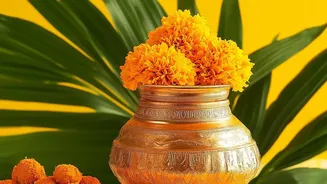
Marigolds, or 'genda phool', are central to festive decor in India for good reason. Their bright yellow and orange hues symbolise the sun, representing purity, positivity, and new beginnings. In Hindu traditions, marigolds are considered auspicious and are often offered to deities like Lord Ganesha and Goddess Lakshmi to invite blessings and prosperity. Their sturdy nature means they stay fresh for several days, making them a practical choice for a nine-day festival. Whether strung into garlands or used as loose petals, their vibrant presence is a simple way to invoke a festive spirit.
Effortless Ideas for Marigold Decor
You don't need to be a professional decorator to create stunning arrangements with marigolds. Simple, handmade torans (door hangings) of marigold and mango leaves can adorn the entrance to your home or puja room, signifying a warm welcome. Create long, flowing garlands and drape them behind the idol, frame pictures, or hang them vertically for a curtain-like effect. For a beautiful centrepiece, fill a large bowl or a traditional 'urli' with water and float marigold heads on the surface. This is not only visually appealing but also adds a touch of tranquility to the space. A small rangoli made of marigold petals at the entrance is another easy yet impactful idea.
The Sacred Light of Diyas
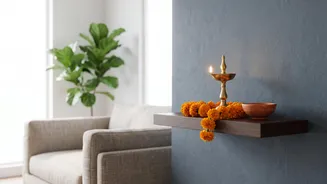
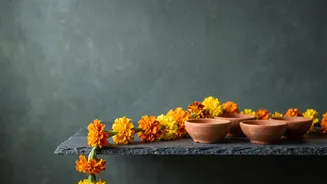
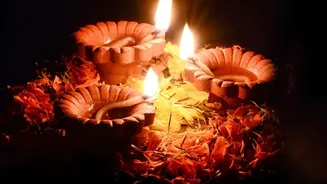
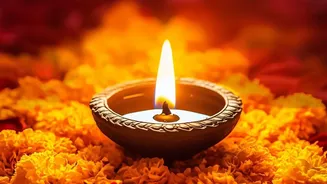
Light is a powerful symbol in nearly all Indian festivals, representing the triumph of good over evil and knowledge over ignorance. During Navratri, lighting diyas (earthen lamps) is an essential ritual that creates a serene and divine atmosphere. The soft, flickering glow of a ghee or oil lamp is believed to purify the surroundings and invite positive energy into the home. Using traditional terracotta diyas adds an earthy, authentic charm, but brass lamps can also be used for an elegant touch. The act of lighting a lamp is, in itself, a form of prayer and devotion.
Creative Ways to Arrange Diyas
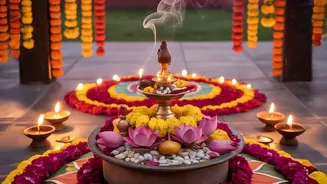
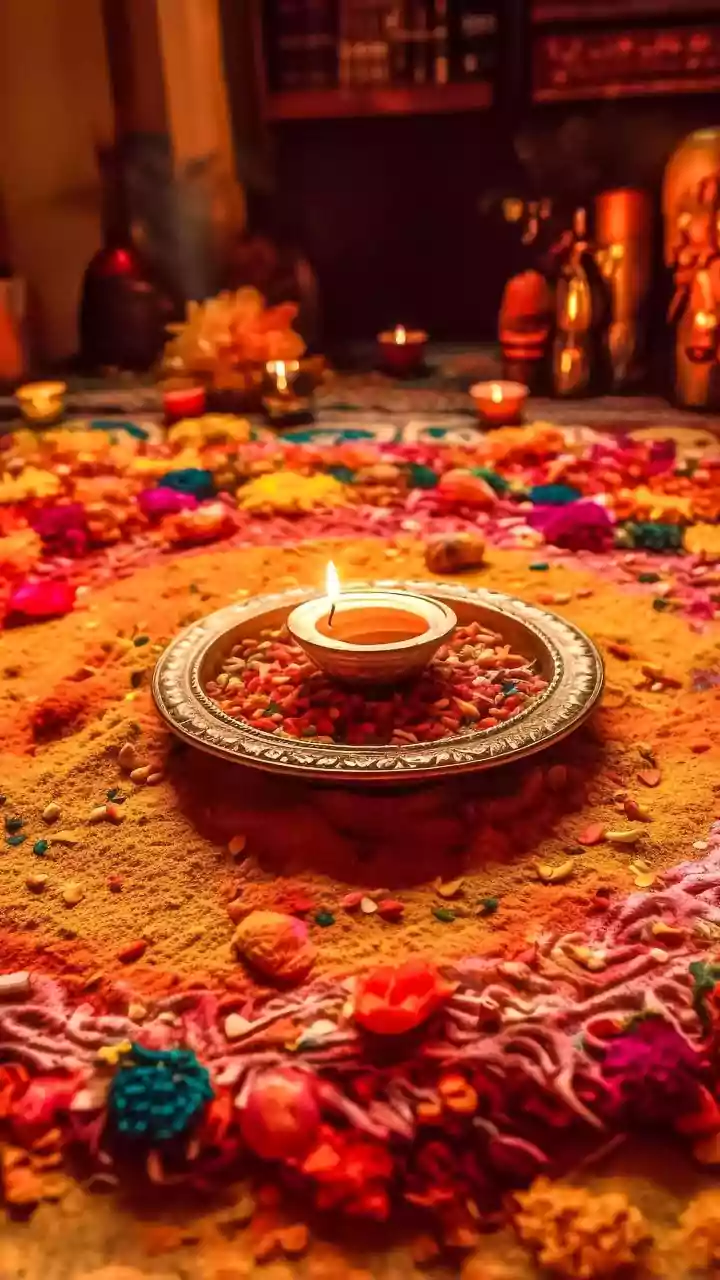
Strategic placement of diyas can transform your puja corner into a magical space. You can arrange them in symmetrical patterns on the floor, perhaps outlining a rangoli to highlight its design in the evening. Placing diyas on windowsills and at the entrance of your home is also a traditional practice. To add layers and visual interest, arrange diyas at different heights using small stools or inverted glasses. For a stunning effect, cluster several diyas on a decorative tray or a brass plate filled with flower petals. If you're concerned about open flames, especially with children around, consider using LED diyas, which offer a similar warm glow safely.
Combining Marigolds and Diyas
The true magic happens when you bring these two elements together. Frame your puja altar with lush marigold garlands and then place a line of diyas in front of it. The light from the lamps will make the golden-orange flowers glow, creating a breathtaking effect. If you're using a floral rangoli, place diyas around its edges or at its centre. For those with a floating flower arrangement in an urli, adding a few floating tea lights or waterproof diyas can create an enchanting centrepiece. The combination of fragrant, colourful flowers and warm, gentle light provides a multi-sensory experience that is both simple and profoundly beautiful.