






The Brain-Gut Lag Time
It’s a common scenario: a busy day leads to a hastily eaten lunch, and minutes later, you feel uncomfortably stuffed. This isn't just your imagination. There's a significant delay, typically around 20 minutes, for your stomach to communicate with your brain
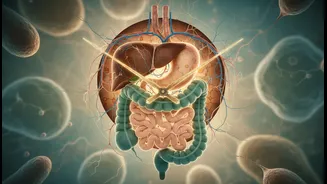
that you've had enough. When you eat too quickly, you can easily consume more food than your body needs before the first hormonal signal of fullness, or satiety, even has a chance to be sent. This communication process involves a complex interplay of hormones. As food enters your digestive system, it triggers the release of hormones like cholecystokinin (CCK) and peptide YY, which travel to the brain to signal that you are full. However, this is a hormonal process, not an instantaneous electrical signal. By eating fast, you're essentially outpacing your own biology, leading to overeating before your brain has a chance to catch up.
More Than Just Overeating
The consequences of rapid eating extend beyond simply consuming extra calories. Digestion begins in the mouth, where chewing breaks down food and mixes it with saliva containing digestive enzymes. When you eat too fast, you tend to chew less thoroughly. This forces your stomach to work harder to break down larger food particles, which can lead to indigestion, bloating, and discomfort. Swallowing more air while eating quickly is also a common cause of gas and bloating. Furthermore, this rushed process can impair your body's ability to absorb all the available nutrients from your food. Over time, studies suggest a link between fast eating and a higher risk for developing metabolic syndrome—a cluster of conditions including high blood pressure, excess body fat, and abnormal cholesterol or blood sugar levels.
The Science of Satiety
The feeling of fullness is not just about a stretched stomach. While stomach receptors do send signals to the brain, the hormonal response is a more nuanced and powerful controller of appetite. Studies, including the one highlighted in the headline, are exploring these very mechanisms. Research indicates that slower eating is associated with higher self-reported feelings of fullness, both immediately after a meal and for hours afterward. While the exact reasons are still being investigated, one theory is that the increased time food spends in the mouth enhances oral sensory feedback, which contributes to the overall feeling of satisfaction. Eating slowly allows the entire gut-brain axis the time it needs to function correctly, helping you to not only feel fuller but also more satisfied with your meal.
How to Practice Mindful Eating
The antidote to fast eating is mindful eating. This practice is not about restricting what you eat, but rather how you eat. It involves bringing your full attention to your meal, without judgment. Simple strategies can help you slow down and tune into your body's signals. Try putting your fork down between bites to give yourself a natural pause. Eliminate distractions like your phone or the television, which can lead to mindless eating. Focusing on the sensory experience—the taste, texture, and aroma of your food—can enhance enjoyment and satisfaction. Another effective technique is to sip water between bites, which not only helps you slow down but also aids in digestion. Setting a timer for 20-30 minutes can also help you pace your meal and avoid rushing.