




The Technology Behind the Green Engine
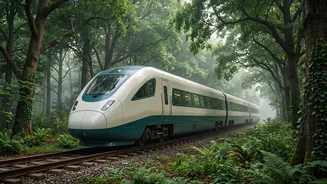
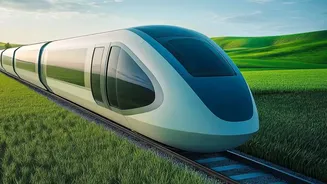
At the heart of a hydrogen locomotive is a fuel cell, which acts as a miniature power plant. Inside this cell, hydrogen stored in high-pressure tanks reacts with oxygen taken from the air. This electrochemical reaction generates electricity to power the train's
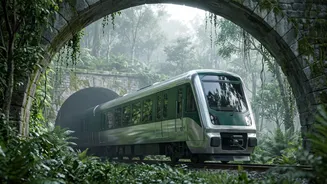
motors. Unlike a diesel engine that burns fuel, this process is clean and silent. The only byproduct is pure water vapour, which is why these trains are called 'zero-emission' at the point of use. To boost efficiency, these trains are also often equipped with batteries that store excess energy, particularly from braking, which can then be used for acceleration.
India's 'Hydrogen for Heritage' Vision
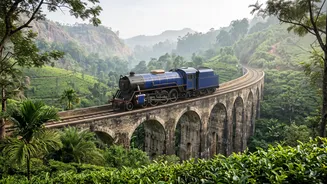
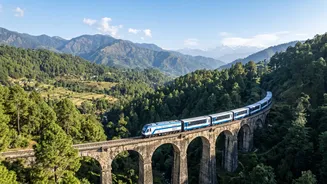
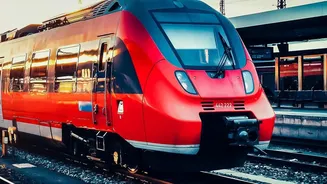
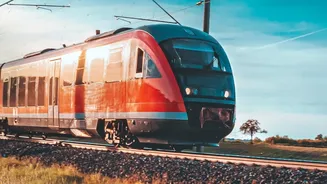
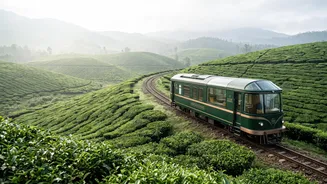
Indian Railways has embarked on an ambitious initiative called 'Hydrogen for Heritage'. The plan involves running 35 hydrogen-powered trains on ecologically sensitive and scenic heritage routes, such as the Kalka-Shimla, Darjeeling Himalayan, and Nilgiri Mountain Railways. The first pilot project was launched on the Jind-Sonipat section in Haryana in July 2026, marking India's entry into a select group of nations testing this advanced technology. Rather than importing entire trains, India is taking a cost-effective approach by retrofitting existing Diesel Electric Multiple Unit (DEMU) rakes with indigenous hydrogen fuel cell systems, showcasing the 'Make in India' vision.
The Benefits for a Modernising India
The shift to hydrogen offers a multitude of advantages. Primarily, it supports India’s goal of achieving Net Zero emissions by 2070 and decarbonising the railway network by 2030. By replacing diesel locomotives, these trains will significantly improve air quality along some of the country's busiest corridors and most pristine landscapes. Furthermore, it is a strategic move towards energy security, reducing the nation's heavy dependence on imported fossil fuels. This transition also fuels the domestic economy by creating opportunities for indigenous manufacturing of fuel cells, storage tanks, and other highly specialised components.
The Hurdles on the Track Ahead
Despite the immense potential, the journey towards a hydrogen-powered rail network is not without its challenges. The most significant barrier is the high cost. Green hydrogen, produced using renewable energy, is currently far more expensive than diesel or electricity. Building the necessary infrastructure for production, storage, and refuelling from scratch requires massive capital investment. Safety is another critical consideration, as hydrogen is highly flammable and requires specialised handling protocols and advanced monitoring systems to prevent leaks. Finally, the overall energy efficiency is lower than direct electrification, as energy is lost during the conversion of electricity to hydrogen and back again.