






The Digital Food Revolution
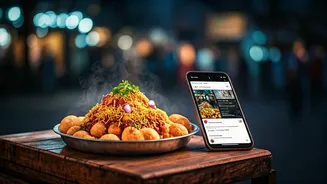
Not long ago, the discovery of a great snack spot was a word-of-mouth secret, a treasured local find. Today, that discovery happens on a global scale through the lens of a smartphone. Platforms like Instagram, TikTok, and YouTube have become virtual food
courts where Indian snacks are the undisputed stars. This digital shift has transformed how we perceive, consume, and share our culinary experiences. What was once a local delicacy enjoyed on a bustling street corner can now become an international sensation overnight, all thanks to a well-shot video or a mouth-watering photo. The inherent vibrancy and diversity of Indian cuisine make it perfectly suited for these visual platforms.
What Makes a Snack 'Gram-Worthy'?
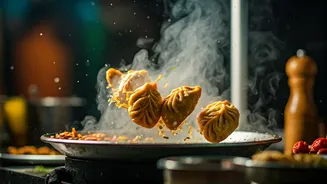
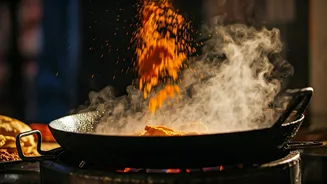
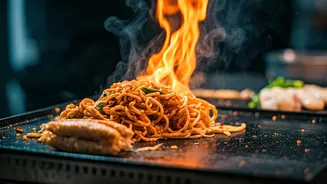
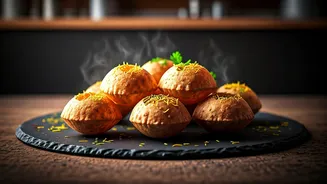
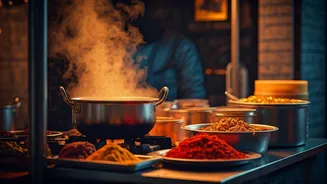
The magic lies in the sensory explosion that Indian snacks provide, which translates beautifully to video and photography. Think of the deep red of a spicy curry, the vivid green of coriander chutney, or the golden-brown crisp of a freshly fried samosa. It’s not just about taste anymore; it’s about the visual narrative. Food influencers and everyday users alike have become adept at capturing the 'money shot': the slow-motion pour of chai, the satisfying crunch of a papdi, or the steam rising from a hot plate of pav bhaji. Short-form videos on Reels and YouTube Shorts, often set to trending audio, amplify this effect, turning simple food moments into viral trends that spread globally in hours. Simple hashtags like #IndianFood, #StreetFood, or #DesiFood can unlock thousands of videos that entertain and inspire people to try these snacks themselves.
From Regional Gems to Viral Sensations
Social media has become a powerful tool for culinary discovery, breathing new life into lesser-known regional dishes. Aloo Ke Gutke from Uttarakhand, a spicy dish of baby potatoes, or Varanasi's famous Tamatar ki Chaat have found metropolitan and even global audiences through viral reels. Even something as regionally specific as Pakhala from Odisha, a fermented rice dish, has sparked curiosity and conversation on social media feeds far from its origin. This digital spotlight isn’t just for savoury items. Fusion dishes like butter chicken pizza and chai tiramisu have also gained immense popularity, showcasing a modern blend of East and West that resonates with a global palate. Foreign vloggers trying iconic Indian snacks for the first time, like Lay's Magic Masala chips, often create viral content that introduces these flavours to entirely new audiences.
The Rise of the Food Storyteller
Behind this trend is a growing army of food bloggers and influencers who have become the new tastemakers. They are the storytellers, using their phone cameras to frame not just the food, but the experience and culture behind it. These creators, from home cooks sharing generational recipes to professional chefs experimenting with new forms, have democratised food authority. A review or feature from a popular food account can put a previously unknown street food vendor on the map, driving significant foot traffic and sales. This has turned passion into a viable business model for many, with brands increasingly collaborating with influencers to market their products, recognizing their authentic connection with their followers.
Beyond the 'Like': Real-World Impact
The fame generated on screen has a tangible and often life-changing impact on the ground. Street vendors, who form a significant part of India's informal economy, have found an inadvertent advertising medium in social media. A single viral video can transform a small, local stall into a must-visit destination, boosting the vendor's livelihood and supporting local economies. The story of Goli Vada Pav's founder, Venkatesh Iyer, who dreamed of making the humble vada pav as big as burgers and pizzas, is an early testament to the power of marketing a street food concept, a dream now being realized for many small vendors through digital platforms. By showcasing their craft, social media allows vendors to build a community, engage directly with customers, and even integrate online ordering, making their businesses more resilient.