






A National Shortfall
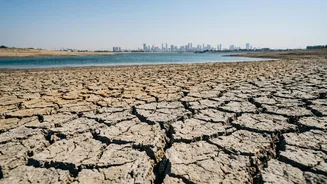
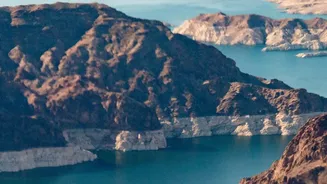
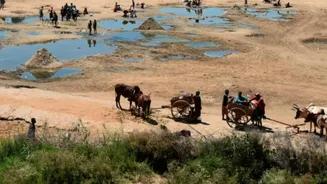
Across the country, 178 of the most important reservoirs were holding just 70% of their total capacity as of late September, according to the Central Water Commission (CWC). This figure is significantly below both last year's level of 79% and the 10-year
average of 76.62%. The deficit is a direct consequence of a weak and uneven monsoon, which officially ended on September 30. The India Meteorological Department (IMD) reported that the country received about 13% less rainfall than the long-period average this season, marking the weakest monsoon in over a decade. This shortfall, driven by the El Niño weather pattern, has critical implications for drinking water supplies, agriculture, and hydropower generation.
Southern India: The Epicentre of the Crisis
No region is more affected than peninsular India. Reservoirs across Andhra Pradesh, Telangana, Karnataka, Kerala, and Tamil Nadu are collectively holding only 50% of their total capacity. This is a dramatic drop from the same period last year when they were at 87%. The southern region received 23% less rainfall than normal, leading to drought declarations in parts of Karnataka and Maharashtra. For cities in these states, which rely heavily on these reservoirs, the coming months will be a severe test of their water management systems. The low storage directly threatens urban water supply lines and has already prompted concern over the upcoming rabi crop season.
Bengaluru: A Familiar Struggle Intensifies
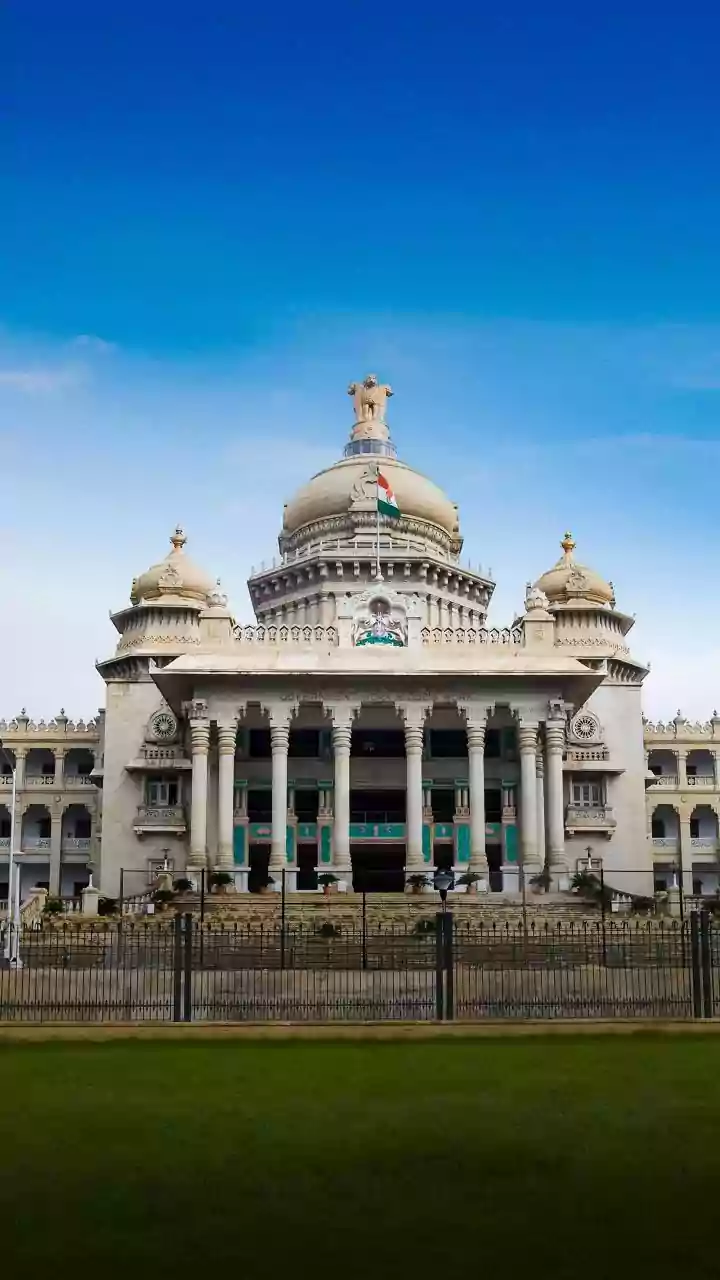
Bengaluru, a city already grappling with a severe water crisis in recent years, is particularly vulnerable. While the city's primary piped supply comes from the Cauvery River, a significant portion of its sprawling population, especially on the peripheries, depends on groundwater and borewells. A weak monsoon fails to adequately recharge these aquifers, many of which are already classified as "over-exploited." In early 2024, thousands of the city's borewells had already run dry, forcing a heavy reliance on expensive private water tankers. With reservoirs that feed the Cauvery system also under stress due to the poor rains in the catchment area, even the piped supply could face pressure, making this a city to watch closely as temperatures rise.
Chennai: Bracing for a Dry Spell
Chennai, another megacity with a history of acute water shortages like the 'Day Zero' scare of 2019, is also on edge. The city's water supply is a complex and fragile system dependent on a handful of rain-fed reservoirs. The poor performance of the southwest monsoon means these primary sources have not been adequately replenished. The upcoming northeast monsoon (October-December) is now absolutely critical for the city. A failure or significant deficit in this secondary rainy season could plunge Chennai back into a severe water crisis by early 2027, impacting millions of residents and its industrial belt.
Pune and Mumbai: A Tenuous Situation
In the western region, the situation is mixed but concerning. The collective storage in Maharashtra and Gujarat is better than in the south, at around 84% of capacity. However, this is still a sharp fall from nearly 96% at the same time last year. For a city like Pune, which depends on a network of dams in the Sahyadri mountains, any deficit is a cause for concern. Drought has already been declared in many parts of Maharashtra. Mumbai, while generally having a more robust water supply system, is not immune. The dams that supply the metropolis also rely on the same monsoon. Water cuts are often implemented in the summer months following a poor monsoon, and this year's deficit could force the municipal corporation to announce conservation measures sooner rather than later.