






A Season of Renewal and Song
The arrival of the Indian monsoon is a profound transformation. The parched earth heals, dormant landscapes burst into life, and the air becomes thick with the scent of rain-soaked soil. This renewal is a clarion call for India's resident birds. While
winter is famous for migratory flocks, the monsoon is when local species take centre stage. The season signals a time of abundance; a surge in insect populations provides a protein-rich feast, perfect for raising young. This triggers the breeding season for many birds, making them more active, vocal, and visible. Forests and even urban parks fill with territorial calls and elaborate songs as birds stake their claims and seek partners.
Dressed To Impress
For birdwatchers, one of the greatest rewards of monsoon birding is witnessing birds in their finest attire. Many species don their brightest and most defined nuptial plumage, making them easier to spot and a marvel to behold. The male Baya Weaver, for instance, develops a brilliant yellow head and neck as he diligently constructs his intricate nests. The normally elusive Indian Pitta, a jewel of the forest floor, becomes more vocal and visible. Its nine-coloured plumage stands out against the lush green undergrowth as it hops about. Perhaps most famously, the Indian Paradise Flycatcher males trail their long, elegant white tail streamers as they perform courtship dances. It is a time of intense drama, from dazzling displays to the dedicated craftsmanship of nest building.
The Harbinger of Rain
No discussion of monsoon birding is complete without mentioning the Pied Cuckoo, or Jacobin Cuckoo. In Indian folklore, this black-and-white crested bird, known as the Chatak, is celebrated as the harbinger of the monsoon. One subspecies is a resident of southern India, but another undertakes a remarkable migration from Africa, riding the monsoon winds across the Arabian Sea to arrive in northern and central India just as the rains begin. Its arrival is so timely that birdwatchers' sightings, documented on citizen science platforms, have been shown to correlate closely with meteorological data on the monsoon's advance. Hearing its ringing “piu-piu” call is a sure sign that the season of rain is truly here.
Where to Go and What to See
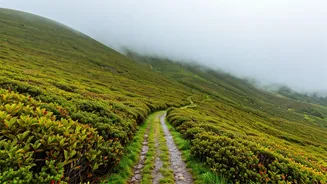
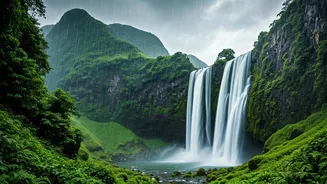
The beauty of monsoon birding is that it can be done anywhere, from your backyard to a national park. In cities, wetland areas like Okhla Bird Sanctuary in Delhi NCR and the marshes around Bhigwan in Maharashtra become vibrant habitats for jacanas and watercocks. For a more immersive experience, the Western Ghats are a premier destination. Places like Thattekad Bird Sanctuary in Kerala and the misty hills of the Nilgiris come alive with the calls of the Malabar Trogon and the elusive Sri Lanka Frogmouth. In North India, the Himalayan foothills near Nainital offer high-altitude specialties, while in Central India, buffer zones of parks like Satpura and Pench remain open and are excellent for spotting a variety of species.
Tips for a Rewarding Trip
Monsoon birding requires a little extra preparation, but the rewards are well worth it. Waterproofing is key—for yourself and your equipment. A good raincoat, waterproof footwear, and a protective cover for your binoculars and camera are essential. Plan your outings for the early morning or late afternoon, timing them between rain showers when bird activity is at its peak. The dense, wet foliage can make spotting birds a challenge, so listening becomes an important skill. Many birds that are shy and hidden become more vocal during their breeding season, and learning to identify their calls can lead to incredible sightings. Above all, be patient. The forest is alive with sound and movement, and simply waiting quietly can reveal its secrets.