








1. Your Gear Breathes, Finally
Forget the old days of heavy, non-breathable plastic raincoats that left you as wet from sweat as from the rain. The game-changer is modern waterproof-breathable fabric. High-end options like Gore-Tex and eVent have become more accessible, but a new wave
of proprietary fabrics from outdoor brands offers similar performance at a lower cost. These materials use microscopic pores that are small enough to block water droplets from getting in, but large enough to let water vapour (your sweat) escape. This means you stay dry from the outside and comfortable on the inside. When shopping, look for jackets and pants with a 'hydrostatic head' rating of at least 10,000mm for decent monsoon protection, and a breathability rating (MVTR) to match.
2. Grip That Actually Grips
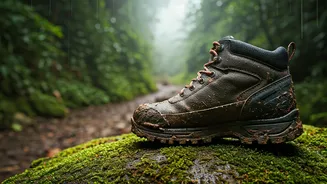
The single biggest fear for any monsoon hiker is a treacherous slip on a wet rock or a muddy slope. For years, the solution was just to ‘walk carefully’. Not anymore. Footwear technology has taken a massive leap forward. The secret lies in the outsole compound. Brands like Vibram have developed specific rubber formulas, such as Megagrip, designed to offer phenomenal traction on wet surfaces. Many shoe companies now have their own proprietary wet-grip technologies that are equally impressive. When buying new hiking shoes, don't just look at the tread pattern; ask about the rubber compound's performance in wet conditions. A shoe with superior wet grip transforms your confidence on the trail, turning tentative steps into secure strides.
3. A Smarter War on Leeches
No monsoon trek story is complete without a mention of leeches. While they are mostly harmless, they’re a nuisance that can ruin the experience. The good news is that our defences have become more systematic and effective. The first line of defence is a pair of leech-proof socks. These long, tightly woven socks go over your trousers, creating an impenetrable barrier. For added protection, many seasoned hikers swear by a simple DIY solution: a concentrated spray of saltwater or a diluted mix of tobacco and water applied to shoes and socks. These methods are far more effective than just hoping for the best and allow you to focus on the beauty of the forest, not what’s crawling on your ankles.
4. Navigate Confidently Without Network
Getting lost in the fog and rain is a serious risk, especially when mobile networks abandon you in the hills. Previously, this meant relying on a physical map and compass—skills not everyone possesses. Today, your smartphone is a powerful GPS device that doesn't need a cell signal to work. Apps like Gaia GPS, AllTrails, and even Google Maps allow you to download detailed topographical maps of your route for offline use. Before you leave, simply download the map of the area. Once on the trail, your phone’s GPS chip will pinpoint your location on the downloaded map in real-time. Paired with a portable power bank to keep your phone charged, this technology makes navigation safer and more accessible than ever before.
5. The Art of Packing Dry
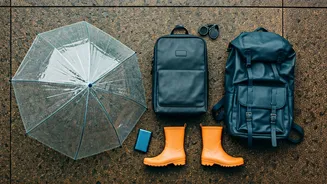
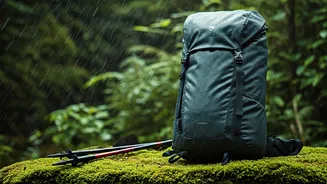
A heavy, waterlogged backpack can quickly drain your energy and spirit. The solution isn't just a rain cover; it’s a systematic approach to waterproofing from the inside out. Start with a waterproof pack liner or, for a budget option, a sturdy garbage bag. This creates the main barrier. Then, compartmentalise your gear—clothes, electronics, snacks—into individual dry bags or ziplock bags. This double-layering system ensures that even if your pack’s exterior gets damp, your essential gear remains perfectly dry. Furthermore, the rise of lightweight, quick-drying synthetic clothing means that even if your shirt gets wet, it won't weigh you down and will dry quickly during a break in the rain. This strategic packing makes for a lighter, more comfortable trek.