






The Making of a Textile Hub
Coimbatore's destiny was shaped by geography and ingenuity. The region's black soil proved ideal for cotton cultivation, providing the raw material that would fuel an industrial revolution. The first major milestone arrived in 1888 with the establishment
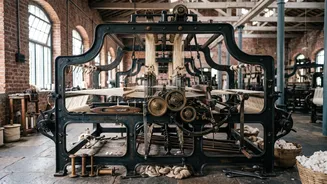
of the Coimbatore Spinning and Weaving Mills, popularly known as Stanes Mill, by Sir Robert Stanes. This marked the beginning of industrial-scale textile production. The real boom, however, came in the 1920s and 1930s. The commissioning of the Pykara hydroelectric project provided the reliable, affordable power needed to run the growing number of mills, transforming Coimbatore into a powerhouse of the textile world and cementing its famous moniker.
From Field to Fabric
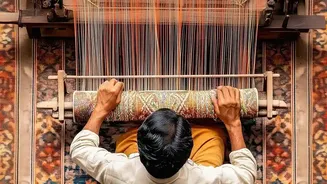
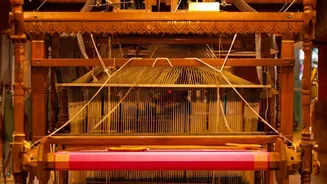
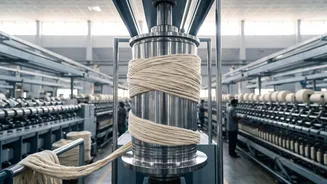
The journey of cotton in Coimbatore is a complex and fascinating one. It begins with raw cotton, once grown abundantly in the surrounding areas, arriving at ginning factories to be cleaned and processed. From there, it moves to the spinning mills, which form the heart of the city's industry. These mills, which account for a significant portion of India's yarn production, transform the cotton into yarn of various counts and qualities. This yarn then embarks on the next leg of its journey—to weaving mills, power looms, and handloom weavers who create vast sheets of fabric. This entire ecosystem includes not just the mills but also a thriving sector for manufacturing textile machinery and components, making the region a self-sustaining hub.
The Powerful Tiruppur Connection
No exploration of Coimbatore's trade is complete without a trip to the neighbouring town of Tiruppur. If Coimbatore is the heart of spinning, Tirupur is the soul of knitwear. The two cities share a deeply symbiotic relationship. The high-quality yarn spun in Coimbatore's mills is the primary raw material for Tirupur’s massive garment industry. This dynamic duo forms a formidable textile cluster, accounting for a staggering share of India's knitwear exports—around 55%, valued at approximately Rs 45,000 crore in 2024-25. Tirupur has become a global model for its specialised cluster-based production, exporting finished garments to major markets across the world and employing hundreds of thousands of people.
Weaving a Modern Future
Today, the industry that built Coimbatore faces a new set of challenges and opportunities. Intense global competition from countries like China and Pakistan, rising input costs, and labour shortages are significant hurdles. Industry leaders and associations like the Southern India Mills' Association (SIMA), established in 1933, are constantly advocating for policy support and navigating these complexities. The focus is now shifting towards modernisation and sustainability. There's a growing push to diversify into man-made fibres and technical textiles to remain competitive. Furthermore, adopting greener technologies and improving energy efficiency are becoming critical as the industry faces pressure to meet global sustainability standards.
More Than Just an Industry
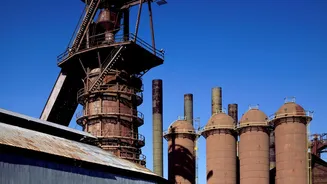
The cotton and textile trade is more than just an economic engine for Coimbatore; it's part of its cultural DNA. For over a century, it has been the primary driver of employment and urban development. The industry spurred the growth of ancillary sectors, from engineering and foundries that initially serviced textile machinery to a robust educational network that provides skilled professionals. While the city's economy has diversified significantly, with major growth in IT and engineering, the rhythmic hum of the mills remains a powerful symbol of its entrepreneurial spirit. It's a legacy that continues to define the city's character and its place in the wider world.