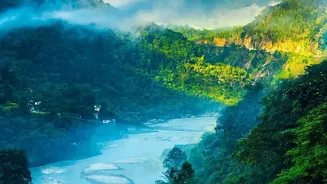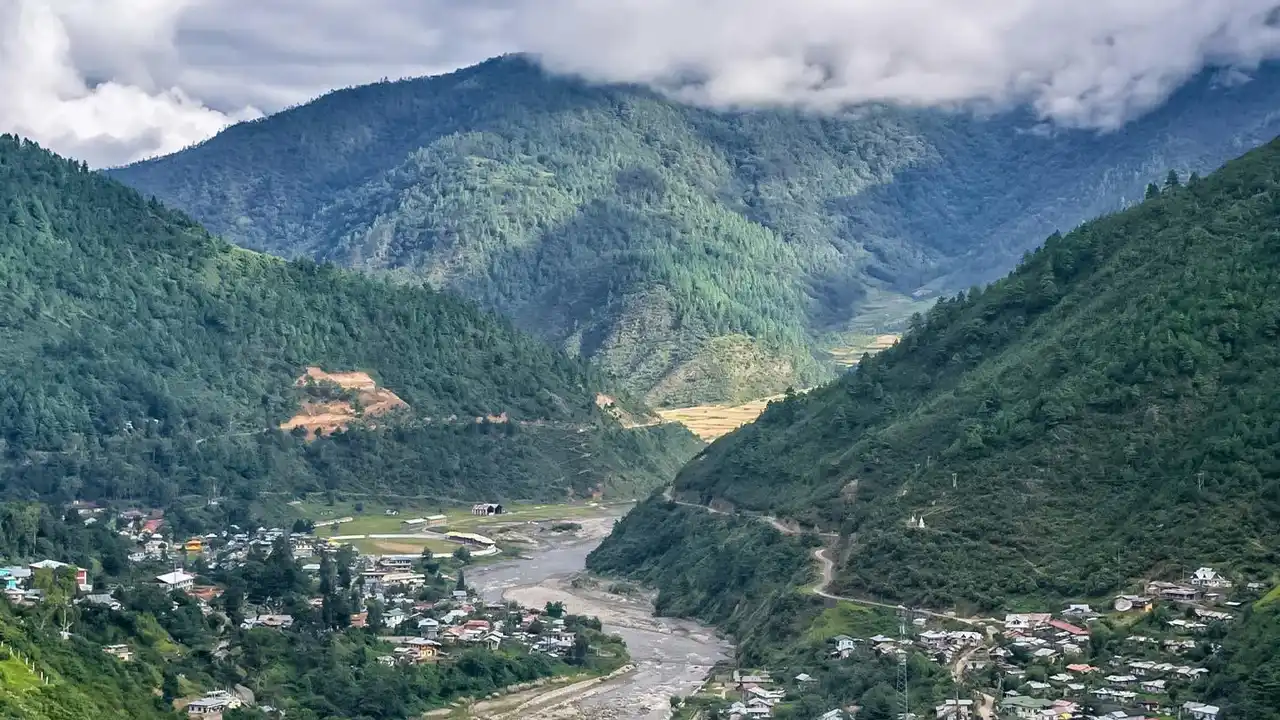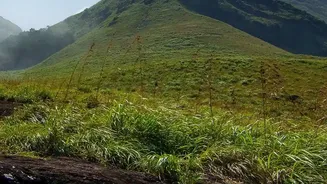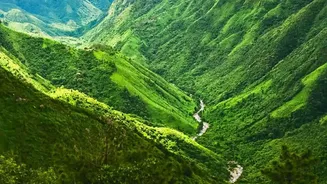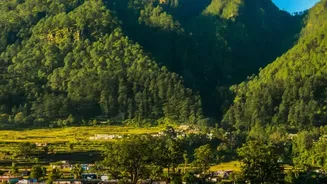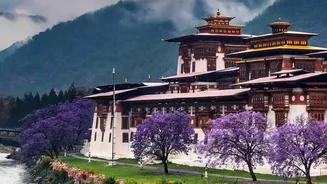



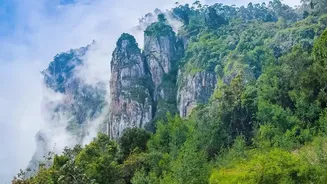
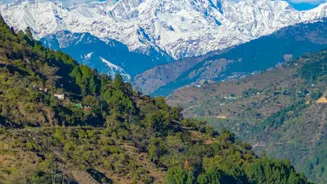
In the 'Land of the Dawn-Lit Mountains', misty peaks cradle serene valleys and ancient monasteries whisper tales of old. Arunachal Pradesh offers a journey not just across landscapes, but into a world of spiritual calm and breathtaking beauty.
Tawang: A Spiritual Beacon in the Himalayas
Perched
at an altitude of 10,000 feet, Tawang is a name synonymous with spiritual grandeur. It is home to the Tawang Monastery, the largest in India and the second largest in the world, a magnificent 17th-century structure that offers panoramic views of the entire valley. Known as Galden Namgyal Lhatse, this monastery is a thriving centre of Tibetan Buddhism, housing hundreds of monks and a vast library of sacred scriptures. The spiritual atmosphere is palpable, especially during the early morning prayer ceremonies when chants echo through the crisp mountain air. Beyond the monastery, the journey to Tawang itself is an adventure, crossing the dramatic Sela Pass at 13,700 feet, a place of stunning high-altitude lakes and snow-dusted vistas. The valley is dotted with other significant sites, including the Urgelling Monastery, the birthplace of the 6th Dalai Lama, and the serene Sangetsar Lake, making Tawang a complete spiritual and natural retreat.
Ziro Valley: A Cultural Tapestry of the Apatani
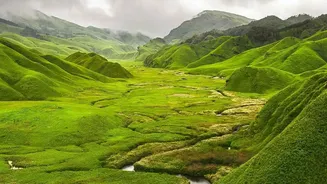
Unlike the high-altitude drama of Tawang, Ziro Valley offers a gentler, more intimate beauty. This UNESCO World Heritage-nominated landscape is a lush carpet of paddy fields, pine-clad hills, and traditional villages. It is the cherished home of the Apatani tribe, a community renowned for its unique and sustainable agricultural practices of wet rice and fish farming. Exploring villages like Hong and Hari feels like stepping back in time. The Apatani are known for their deep connection to the land and their Donyi-Polo faith, worshipping the sun and moon. While Ziro is more famous for its cultural landscape and the iconic Ziro Festival of Music than for grand monasteries, its spiritual essence is found in the everyday rhythms of life and the tribe's harmonious existence with nature. It’s a place for slow travel, for walking through paddy fields, and for understanding a living heritage that has been preserved for centuries.
Mechuka: The Remote 'Forbidden Valley'
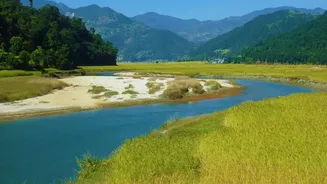
For those who seek true remoteness, there is Mechuka. Often called the 'Forbidden Valley of Arunachal', this stunning landscape in the Shi-Yomi district has only recently emerged on the traveller's map. Situated at 6,000 feet and just 29 kilometres from the border, reaching Mechuka is an expedition in itself, typically requiring a two-day drive through rugged mountain terrain. The reward is a valley of pristine beauty, with the crystal-clear Siyom River flowing through pine forests and meadows with grazing horses. The spiritual anchor here is the 400-year-old Samten Yongcha Monastery, a serene structure belonging to the Nyingma school of Buddhism that predates even the Tawang Monastery. The valley is home to the Memba tribe, and staying in local homestays offers a deep cultural immersion. With its raw, untouched feel and significant landmarks like the Guru Nanak Taposthan, Mechuka offers a profound sense of discovery and solitude.
Dirang: A Serene Valley of Orchards and Gompas
Often seen as a tranquil stopover on the way to Tawang, Dirang is a destination in its own right, a charming valley known for its pleasant climate, orchards, and collection of monasteries. The area is a blend of natural and spiritual attractions. One of its newest jewels is the Thupsung Dhargye Ling Monastery, a large and vibrant institute for Tibetan Buddhist studies that was inaugurated in 2017. This monastery offers stunning views and a peaceful atmosphere for contemplation. The valley is also home to the ancient Dirang Dzong, a 17th-century fort-monastery that tells stories of the region's historical importance. Adding to its charm are the therapeutic hot water springs and the older, more secluded Kalachakra Gompa. Dirang provides a gentler pace, allowing visitors to soak in the mountain culture, explore quiet villages, and appreciate the spiritual heritage of the Monpa tribe without the high-altitude intensity of other locations.