

In the world of wellness, 'fibre' is the new buzzword. But this trending topic isn't a modern fad; it's a return to roots, shining a spotlight back on the humble, nutrient-packed pulses and whole grains that have defined Indian diets for centuries.
Why Is Everyone Suddenly Talking About Fibre?
Dietary
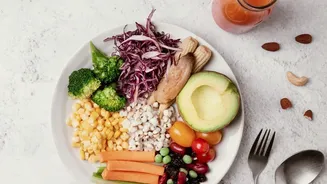
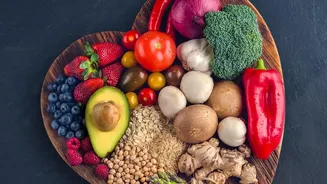
fibre is a type of carbohydrate that our bodies cannot digest. Instead of being broken down, it passes through our digestive system, playing a crucial role in our overall health. There are two types: soluble fibre, which dissolves in water to form a gel-like substance, and insoluble fibre, which adds bulk to stool. A diet rich in both can improve digestion, help manage blood sugar levels, lower cholesterol, and even assist in maintaining a healthy weight. The growing conversation is a response to modern diets often being dominated by processed foods that are stripped of this essential nutrient, leading to a rise in lifestyle-related health issues. Experts recommend a daily intake of 25 to 38 grams, but many people get far less. This renewed focus is about understanding that what we 'don't' digest is just as important as what we do.
The Unsung Heroes of the Indian Thali
For generations, the traditional Indian thali was naturally high in fibre, a testament to the wisdom of our ancestors. Meals were built around whole grains like millets, a variety of dals (lentils), and seasonal vegetables—all excellent sources of fibre. However, with the widespread adoption of refined wheat flour (maida) and polished white rice, the fibre content in our daily meals has significantly decreased. This shift away from traditional staples has inadvertently stripped our diets of essential nutrients. Now, as awareness grows, there is a conscious movement to bring these unsung nutritional heroes back to the centre of the plate, recognising them not as 'old-fashioned' but as cornerstones of a balanced, healthy diet.
Millets Make a Mighty Comeback
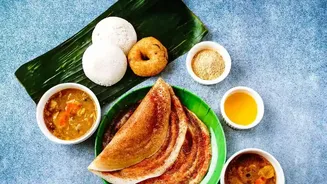
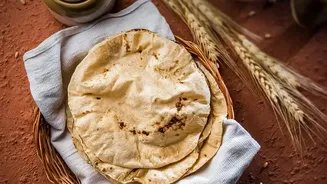
Once considered a poor man's food, millets are now celebrated as superfoods. Grains like Jowar (sorghum), Bajra (pearl millet), and Ragi (finger millet) are being rediscovered by urban India for their impressive nutritional profiles. These hardy grains are not only gluten-free but also packed with fibre, protein, vitamins, and minerals. Their high fibre content ensures a slow release of energy, which helps in managing blood sugar levels, making them an excellent choice for diabetics. From ragi dosas and jowar rotis to bajra khichdi, these versatile grains are being integrated back into modern kitchens, proving that they are both healthy and delicious. This revival has also been supported by initiatives like the International Year of Millets, highlighting their benefits for both health and sustainable agriculture.
The Power of Pulses and Legumes
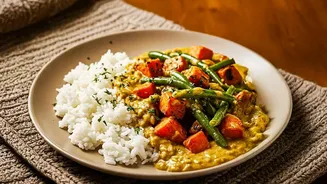
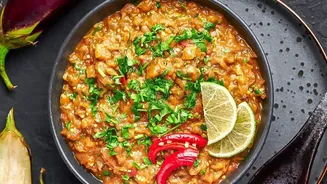
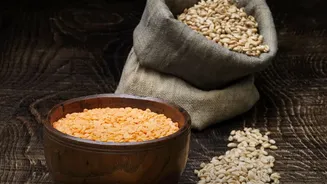
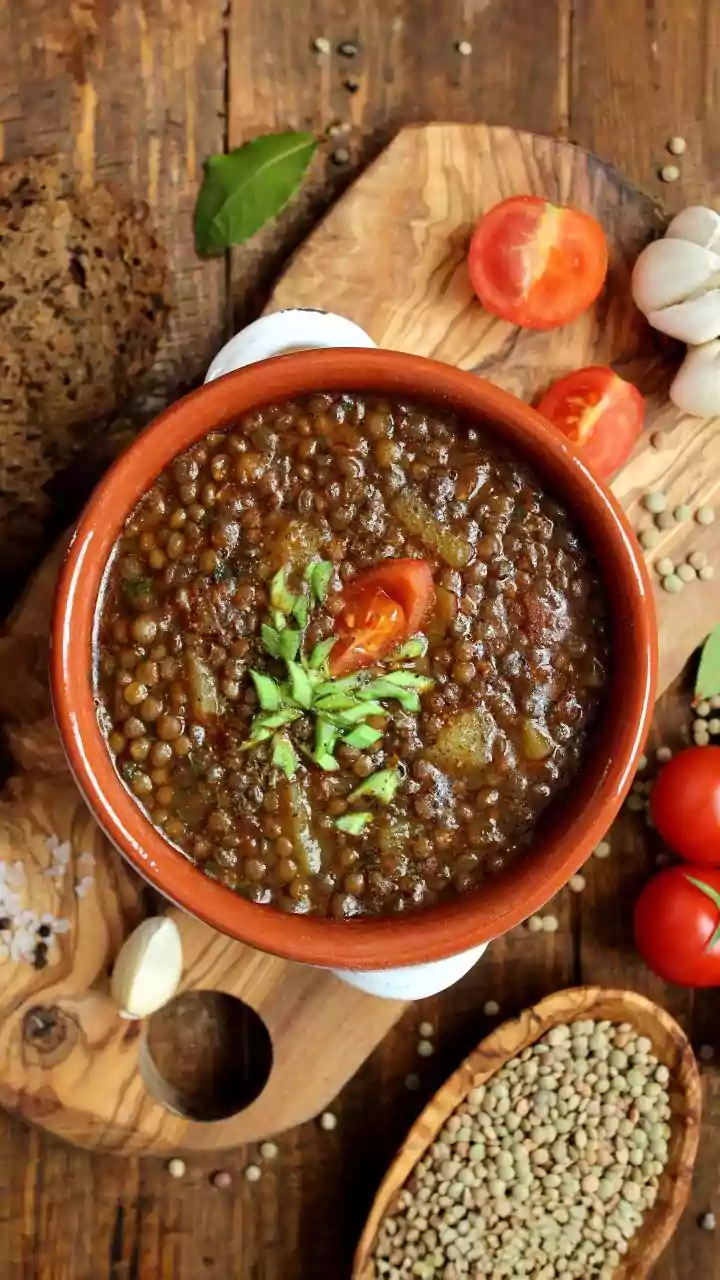
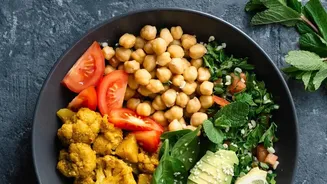
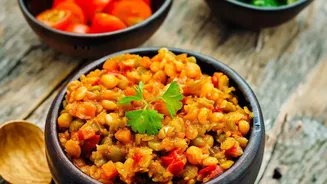
No Indian meal is complete without dal. Pulses like moong, masoor, chana (chickpeas), and rajma (kidney beans) are nutritional powerhouses. They offer a unique combination of high fibre and plant-based protein, which keeps you feeling full and satisfied for longer. For instance, a single serving of lentils can provide around 15 grams of fibre. This dual benefit makes pulses essential for weight management, muscle repair, and maintaining a healthy gut. The soluble fibre in dals like rajma and chana helps in regulating blood sugar and lowering cholesterol. By including a variety of these pulses in our diet, from classic dal tadka to sprouted salads and hummus, we tap into an easy and affordable way to boost our daily fibre intake.
Simple Swaps for a Fibre-Rich Diet
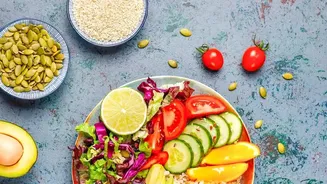
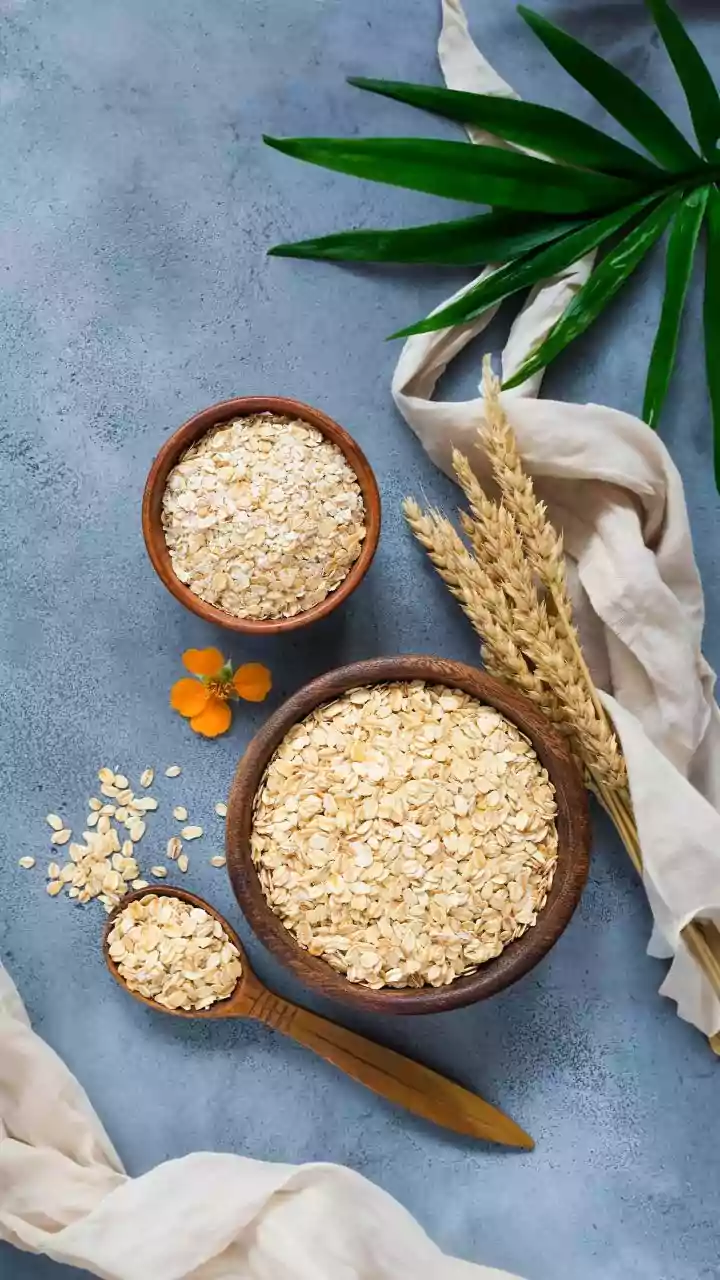
Increasing your fibre intake doesn't require a drastic dietary overhaul. It can be as simple as making small, consistent swaps. Start by replacing one of your regular whole wheat rotis with a jowar or bajra roti. Opt for brown rice instead of white rice for your next meal. Snacking on a handful of roasted chana or a guava is a much better choice than processed snacks. Begin your day with a bowl of oats or a millet-based porridge. When making dal, use the whole, unskinned versions where possible, as they contain more fibre. By consciously choosing these whole foods, you can easily bridge the fibre gap and reconnect with a more traditional, wholesome way of eating.