

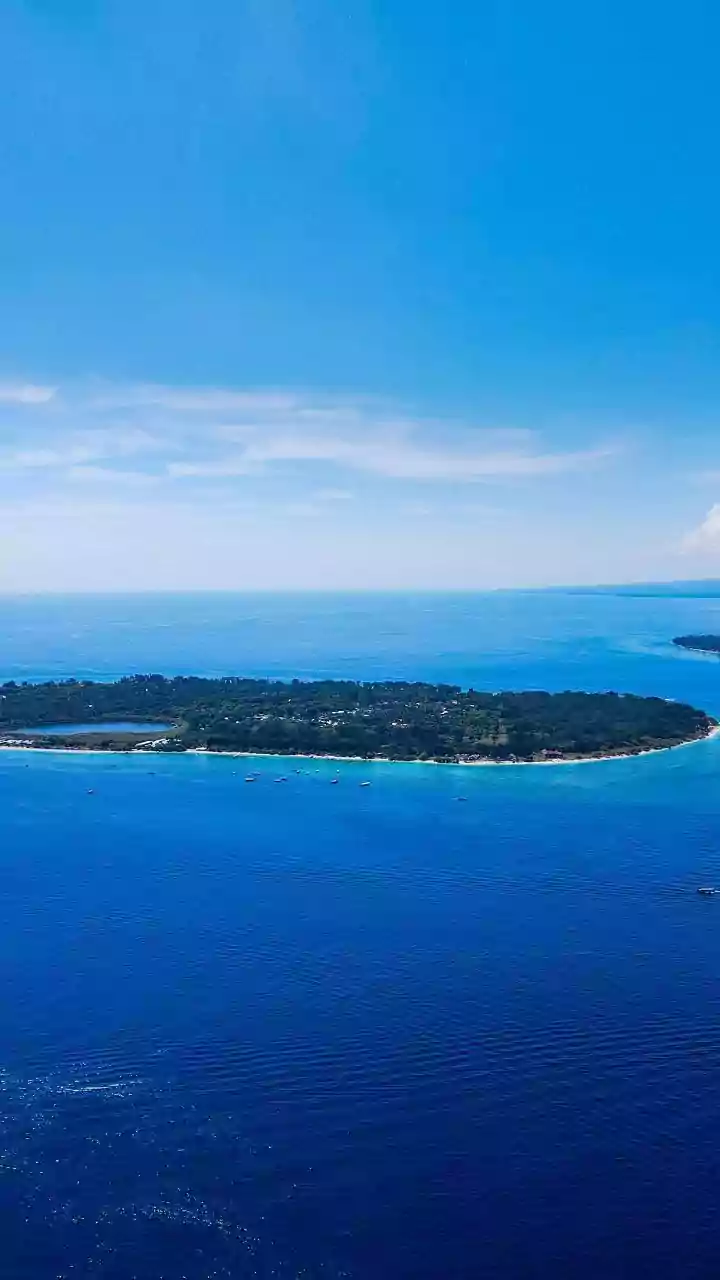

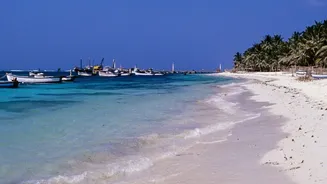

The Golden Window: Why Late Autumn is Ideal
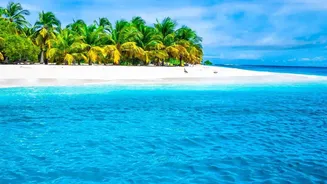
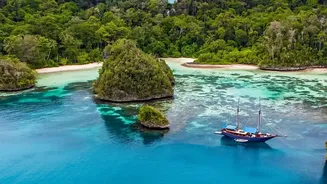
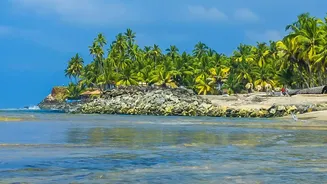
The best time to visit Lakshadweep for any water-based activity is between October and May. Late autumn, specifically November and December, hits a sweet spot. The heavy monsoon rains have passed, leaving the islands lush and the seas calm. During this
shoulder season, you get the benefit of excellent weather without the peak crowds of January and February. Water temperatures are a pleasant 27–30°C, and underwater visibility is often exceptional, sometimes reaching up to 30 metres. This creates perfect conditions for diving and snorkelling, allowing the vibrant colours of the coral and marine life to truly shine.
An Underwater Kingdom of Coral
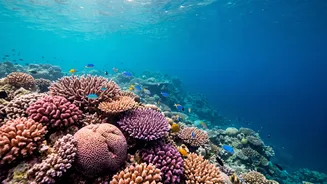
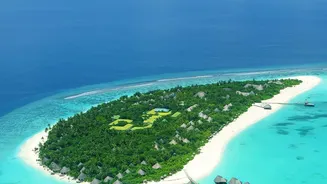
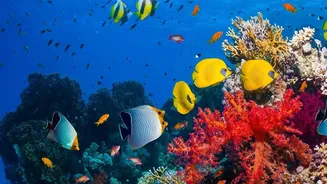
Lakshadweep is India's only true coral atoll archipelago, a chain of islands formed entirely from coral. These reefs are some of the healthiest in the country, partly due to lower tourist footfall and fishing practices that target open-ocean tuna rather than reef fish. Divers can expect to see a dazzling variety of hard and soft corals, including fast-growing staghorn (Acropora) species, massive boulder corals (Porites), and delicate plate corals. These intricate structures create a complex habitat for over 600 species of fish. The calm, shallow lagoons inside the atolls are ideal for beginners, acting as nurseries for juvenile fish, while the outer reef walls offer dramatic drop-offs for more experienced divers.
Encounters with Marine Life
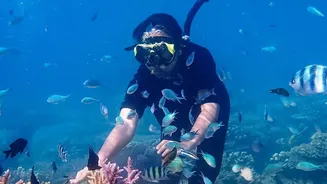
The healthy reefs support a thriving food chain, making every dive an exciting prospect. Green and hawksbill turtles are a common sight, gliding gracefully through the water. The coral gardens teem with colourful butterflyfish, angelfish, and parrotfish. In the blue, you might spot schools of barracuda, eagle rays cruising the outer walls, and even the occasional white-tip reef shark. Night dives reveal another world entirely, with octopuses and moray eels emerging to hunt. Islands like Bangaram, Agatti, and Kadmat are renowned for their biodiversity and offer some of the best diving experiences.
Gearing Up for the Adventure
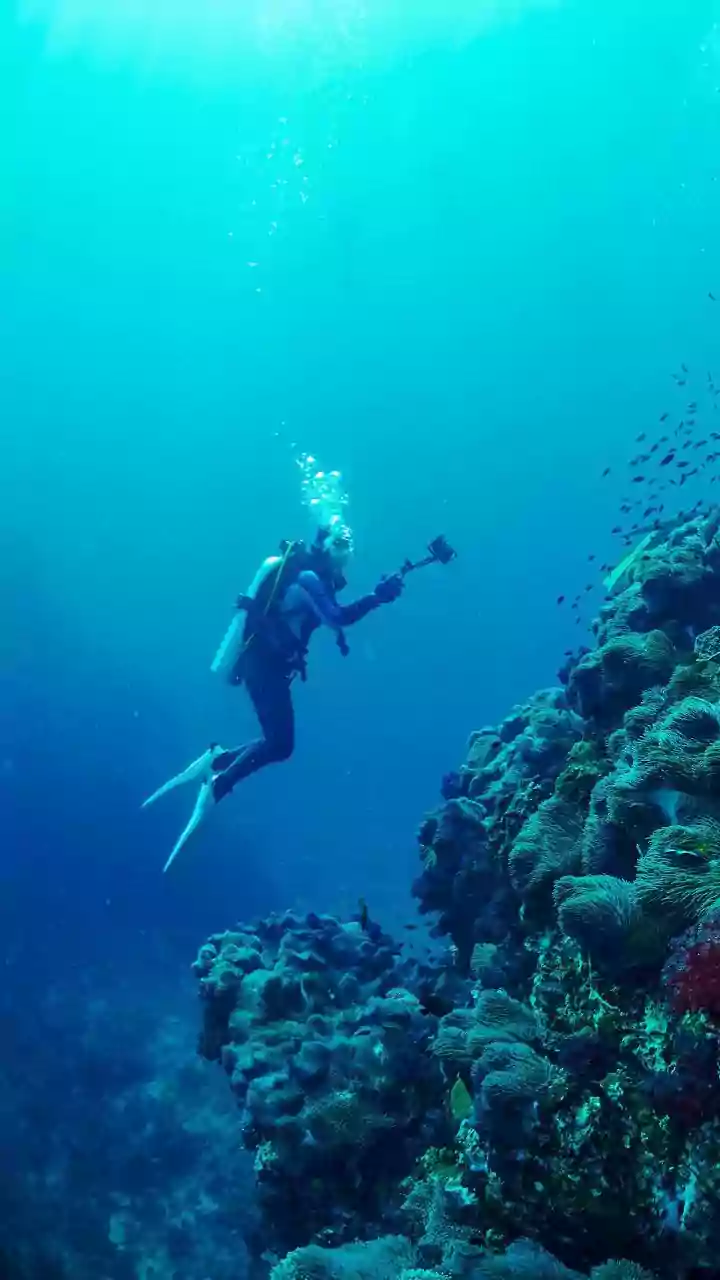
You don't need to be an expert diver to experience Lakshadweep's underwater magic. Reputable PADI-certified dive centres on islands like Agatti, Kavaratti, and Kadmat offer everything from introductory 'Discover Scuba' sessions for non-swimmers to full Open Water certification courses. These centres provide all necessary equipment and expert local guides who know the dive sites intimately. For those who prefer to stay closer to the surface, snorkelling in the calm lagoons offers a fantastic window into the reef life. Many resorts and operators also offer glass-bottom boat tours, providing a glimpse of the coral gardens without getting wet.
Planning Your Trip: Permits and Logistics
Visiting Lakshadweep requires some planning. All non-islanders need an entry permit, which must be applied for online via the official ePermit portal at least 14 days before travel. As of recent updates in April 2026, the process has been simplified, and tourists no longer need a local sponsor or a Police Clearance Certificate from their home state. However, you must specify which islands you plan to visit. The main gateway to the islands is Agatti Airport, with flights operating from Kochi. From Agatti, you can take boats to other islands like Bangaram and Kadmat. It's highly advisable to book your flights and accommodations only after your entry permit has been approved.