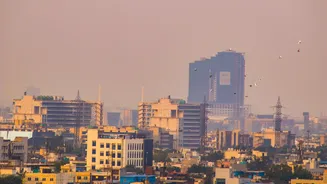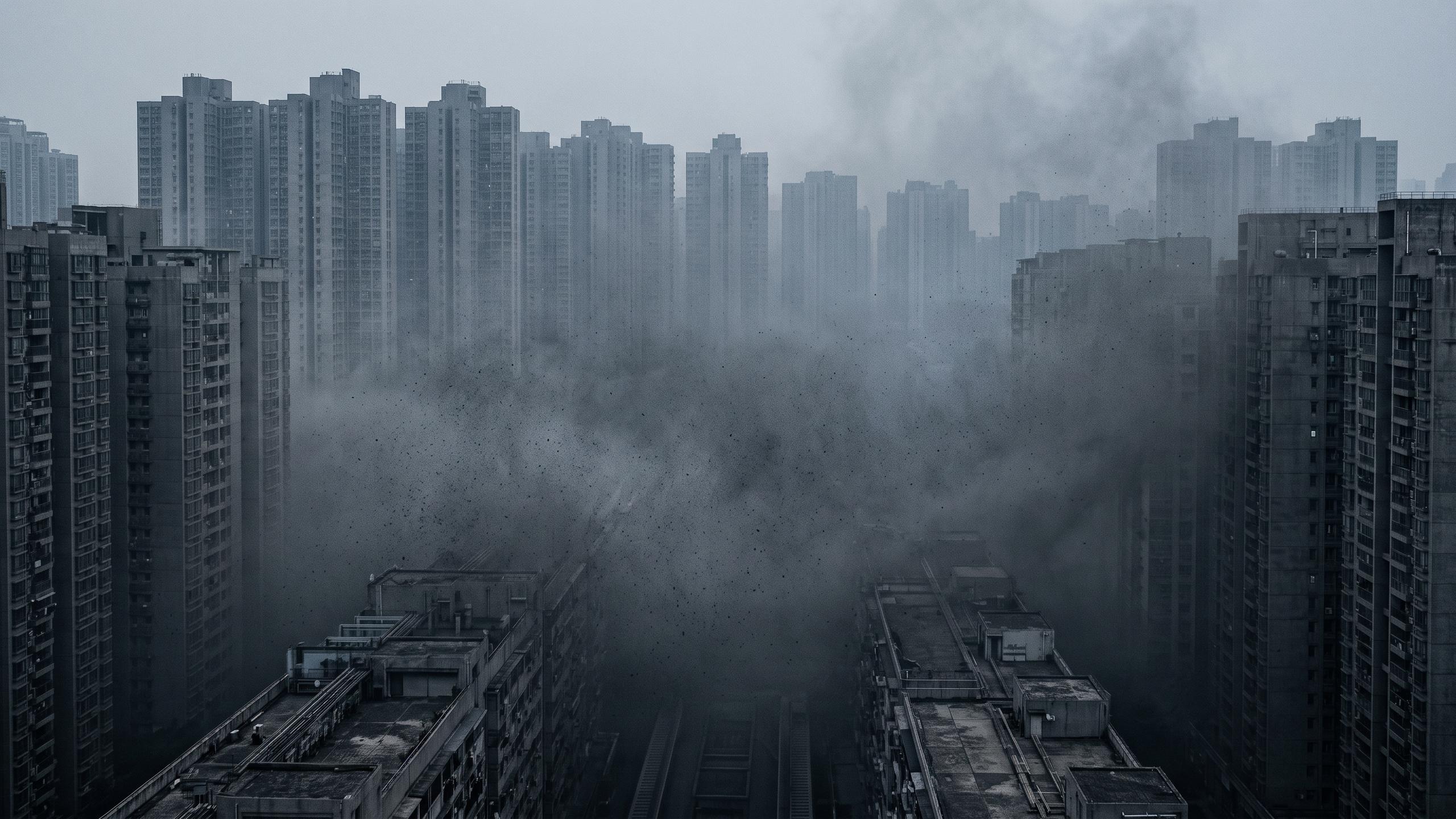







For residents of Delhi, the annual haze is a familiar sight. But beyond the visible smog and the immediate discomfort of a scratchy throat, the city's air pollution crisis inflicts a silent, systemic assault on the health of millions.
More Than Just a Cough
When we talk about
air pollution, we often focus on the obvious: coughing, wheezing, and shortness of breath. These are indeed the most immediate signs. The air in Delhi is frequently saturated with a dangerous cocktail of pollutants, most notably fine particulate matter known as PM2.5. These particles, less than 2.5 micrometres in diameter, are so small they can bypass the body's natural defences, penetrating deep into the lungs and even entering the bloodstream. Other harmful components include nitrogen dioxide (NO2), sulphur dioxide (SO2), and ozone (O3), primarily stemming from vehicle emissions, industrial activity, and seasonal crop burning. This toxic mix triggers inflammation not just in the airways but throughout the body, setting the stage for a wide array of health problems.
The Immediate Toll: From Eyes to Lungs
Even short-term exposure to Delhi's hazardous air quality can have noticeable effects. Residents commonly report eye irritation, watery eyes, persistent coughs, and sore throats. For individuals with pre-existing respiratory conditions like asthma or chronic obstructive pulmonary disease (COPD), these days of high pollution can trigger severe attacks, leading to increased emergency room visits and hospitalisations. Healthy individuals, including young adults, are not spared, often experiencing chest tightness and breathing discomfort after just a few hours outdoors. Skin-related issues are also common, with pollutants causing rashes, itching, and redness.
The Chronic Strain on Heart and Brain
The long-term consequences of breathing toxic air are far more severe. Prolonged exposure to PM2.5 is strongly linked to an increased risk of serious cardiovascular events, including high blood pressure, heart attacks, and strokes. The pollutants cause inflammation in the arteries and can lead to the constriction of blood vessels, forcing the heart to work harder. Beyond the heart, a growing body of research highlights the devastating impact on the brain. Studies have linked long-term exposure to PM2.5 with accelerated brain ageing, cognitive decline, and a higher risk of dementia and Alzheimer's disease. The fine particles are believed to travel through the bloodstream to the brain, causing inflammation and damage to brain structure over time.
A Crisis for Children's Health
Children are uniquely vulnerable to the effects of air pollution. Because their lungs are still developing and they breathe more air relative to their body weight, they inhale a higher concentration of pollutants than adults. This exposure can lead to irreversible damage, including stunted lung growth and reduced lung capacity that persists into adulthood. Studies have shown that children in Delhi have a significantly higher prevalence of respiratory symptoms compared to those in rural areas. The impact extends to cognitive development, with exposure to pollutants linked to lower academic performance, memory issues, and even behavioural problems.
The Unseen Impact on Mental Well-being
The pervasive health impact of air pollution is not limited to physical ailments. Emerging evidence shows a strong connection between polluted air and mental health. Long term exposure has been associated with an increased risk of depression, anxiety disorders, and other psychiatric conditions. The constant stress on the body from inflammation is believed to be a contributing factor. For many, the grey skies and health warnings contribute to a general sense of unease and can worsen existing mental health challenges, creating a cycle of physical and psychological distress.