





The Strain of Unchecked Success
For decades, hill stations like Shimla, Manali, Mussoorie, and Nainital have served as vital release valves for the scorching heat of the plains. This year, intense heatwaves have accelerated the rush, pushing visitor numbers beyond all limits. Shimla, for instance,
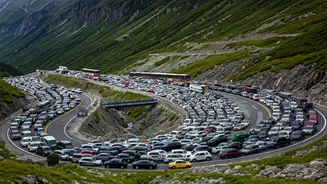
saw an influx of up to 70,000 cars in just three days during a recent long weekend. This surge, while a short-term boon for hotel owners, is destroying long-term destination value. Tourists paying premium rates for luxury rooms are spending hours trapped in traffic on narrow mountain roads, a scenario that is becoming increasingly common. The crisis goes far beyond traffic. Overtourism has placed an unbearable strain on local infrastructure—roads, sewage systems, and waste management facilities—that was originally designed for much smaller populations. The result is overflowing waste, inadequate sewage treatment, and rampant pollution, turning these once-idyllic retreats into sprawling urban messes.
An Infrastructure and Water Crisis
The most critical failure is in the most essential of resources: water. Many hill stations, reliant on natural springs and seasonal rain, now face acute water shortages during peak tourist season. The demand from hotels and restaurants often forces local authorities into rationing, leaving residents without access while tourist facilities continue to consume large quantities to meet visitor expectations. This visible disparity highlights a core challenge: tourism growth is coming at the direct expense of local communities and natural resources. Compounding this is a crisis of construction. In a rush to cater to tourists, building codes and environmental regulations have often been ignored, leading to a proliferation of unplanned, poor-quality buildings on unstable slopes. This not only destabilises the fragile hillsides, increasing landslide risk, but also replicates the concrete jungles people are trying to escape.
The Climate Change Multiplier
The pressures of overtourism are being dangerously amplified by climate change. The Himalayas are warming faster than the national average, leading to rapidly melting glaciers and erratic weather patterns like sudden flash floods. Unchecked construction on riverbeds and cleared forests has made the region even more vulnerable to these climate risks. The devastating floods in Uttarakhand and Himachal Pradesh in recent years are a stark warning of this deadly combination. Furthermore, the massive increase in vehicular traffic contributes to rising carbon emissions, which accelerates the melting of glaciers—the very source of the region's water. Waste mismanagement adds another layer to the problem; open burning of plastic releases toxic pollutants, while garbage dumped on slopes can block drainage systems, increasing the risk of landslides during the monsoon.
What is 'Plan B'?
A sustainable future for India's hill stations requires a radical shift away from the current model of unregulated mass tourism. This is the 'Plan B' that experts and environmentalists are calling for. A key component is implementing carrying-capacity studies for all major destinations to determine and enforce limits on visitor numbers. This could involve systems like visitor quotas or entry fees for ecologically sensitive areas, a model used successfully in places like Bhutan to prioritise quality over quantity. Diversifying tourism is another crucial step. Promoting lesser-known destinations can help distribute the tourist load more evenly, but this must be done carefully to avoid simply repeating the same cycle of unchecked development elsewhere. The focus must be on sustainable models like community-based tourism, where homestays and local enterprises are empowered. This ensures that economic benefits flow directly to the community and that development aligns with local knowledge and practices.
Why Patience is the Final Ingredient
There are no quick fixes. Rebuilding our relationship with the mountains requires long-term strategic planning, not just seasonal crisis management. Governments and local bodies need to invest in climate-resilient infrastructure, robust waste management systems, and data-driven tourism planning. This includes stricter enforcement of building codes and a move towards architecture that respects the local terrain and ecology. But policy changes alone are not enough. Patience is also required from travellers. We must shift our mindset from being consumers to being responsible visitors. This means reducing waste, respecting local customs, opting for sustainable travel options like homestays, and perhaps most importantly, accepting that some places need a chance to breathe and recover. The future of our hill stations depends on a collective willingness to value their preservation over limitless access.