



Chase Thundering Waterfalls in Sohra
Forget the gentle cascades of the dry season; monsoon is when Meghalaya's waterfalls show their true power. In Sohra (formerly Cherrapunji), this is especially true. Nohkalikai Falls, India's tallest plunge waterfall, is a breathtaking sight, crashing
down with immense force. Nearby, the Seven Sisters Falls (Nohsngithiang Falls) expands into a formidable wall of water, best viewed when the clouds part. For a more adventurous outing, the three-tiered Wei Sawdong Falls requires a short but slippery trek, rewarding you with views of its turquoise pools, made even more dramatic by the rain. The sheer volume and sound of these falls during the monsoon are an experience in themselves.
Walk Across Living Root Bridges
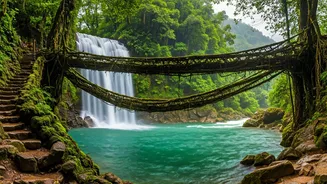
Meghalaya's most famous marvel, the living root bridges, become even more magical amidst the monsoon mist. These bio-engineered wonders, created by guiding the roots of rubber trees across rivers, are strongest and most vibrant when surrounded by the lush, rain-fed forest. The trek to the Jingkieng Nongriat, the famous Double Decker Bridge in Nongriat village, is a must-do. The journey involves descending approximately 3,000 steps, which can be slippery, but leads you through dense foliage and over swaying suspension bridges. The reward is an otherworldly scene straight from a fantasy novel, with the option for a refreshing dip in the pools that form nearby.
Experience the World's Wettest Place
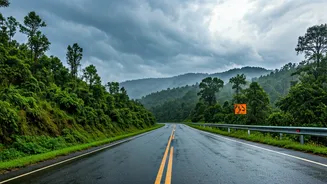
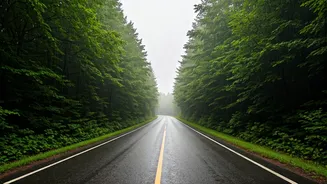
No monsoon bucket list for Meghalaya would be complete without a visit to Mawsynram, the village that holds the Guinness World Record for the highest annual rainfall. Visiting during the peak rainy season is an immersive experience where rain is a constant, defining feature of life. The landscape becomes a spectacle of countless small waterfalls cascading down every hill, and the mist is so thick it feels like you are walking through the clouds themselves. Explore the Mawjymbuin Cave, where water drips through the ancient rock formations, creating a unique atmosphere.
Explore Asia's Cleanest Village
Mawlynnong is celebrated for its cleanliness, a community-driven effort that is impressive any time of year. But during the monsoon, the village transforms. The rain washes the cobbled pathways clean, making the bamboo dustbins and manicured gardens sparkle. The entire village blooms with vibrant flowers, adding splashes of colour to the overwhelming green. It offers a more serene and less-crowded alternative to the main tourist hubs, providing a glimpse into sustainable Khasi culture amidst a picturesque, rain-washed setting. From here, you can also access a nearby single-decker living root bridge and a skywalk made of bamboo that offers panoramic views.
Get Cozy in Shillong's Cafes
After days of trekking and exploring in the rain, Shillong offers the perfect respite. The capital city, with its colonial charm, takes on a romantic, misty quality in the monsoon. One of the best ways to enjoy a rainy afternoon is to dive into its thriving cafe culture. Find a cozy spot in one of the many cafes, particularly around the Laitumkhrah area, and warm up with a hot cup of tea and local Khasi snacks. It’s also a great time for indoor activities like visiting the Don Bosco Museum of Indigenous Cultures, which offers a deep dive into the heritage of Northeast India.
Manage Expectations at Dawki's River
Dawki's Umngot River is famous on social media for its crystal-clear water, where boats appear to float in mid-air. It is crucial to know that this magical transparency is a feature of the dry, post-monsoon winter months. During the monsoon, from June to September, heavy rains wash sediment into the river, making the water murky and the currents strong. While the iconic clear-water boating experience might be off the table, the area is still beautiful, with lush green hills and a dramatic, swollen river. Just be sure to set your expectations accordingly to avoid disappointment.