

A New Style Vernacular
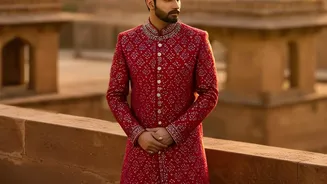
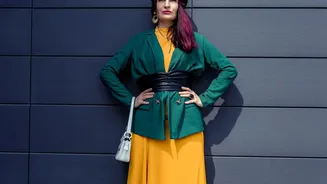
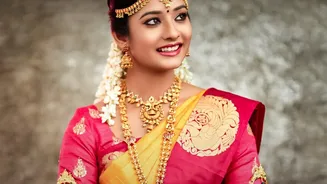
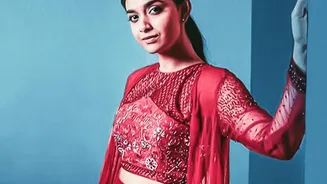
For decades, traditional Indian clothing was often reserved for occasions like weddings and festivals. Today, young fashion advocates are dismantling those boundaries. The new rule is that there are no rules. This style movement is about creating a 'Desi-Cool'
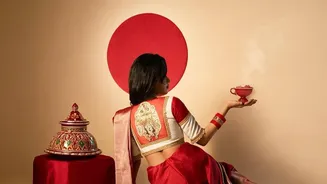
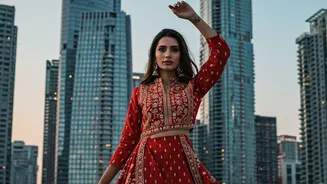
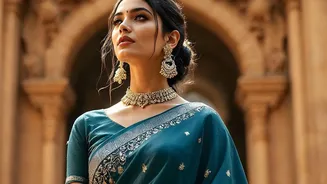
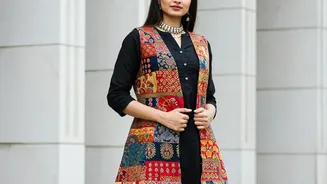
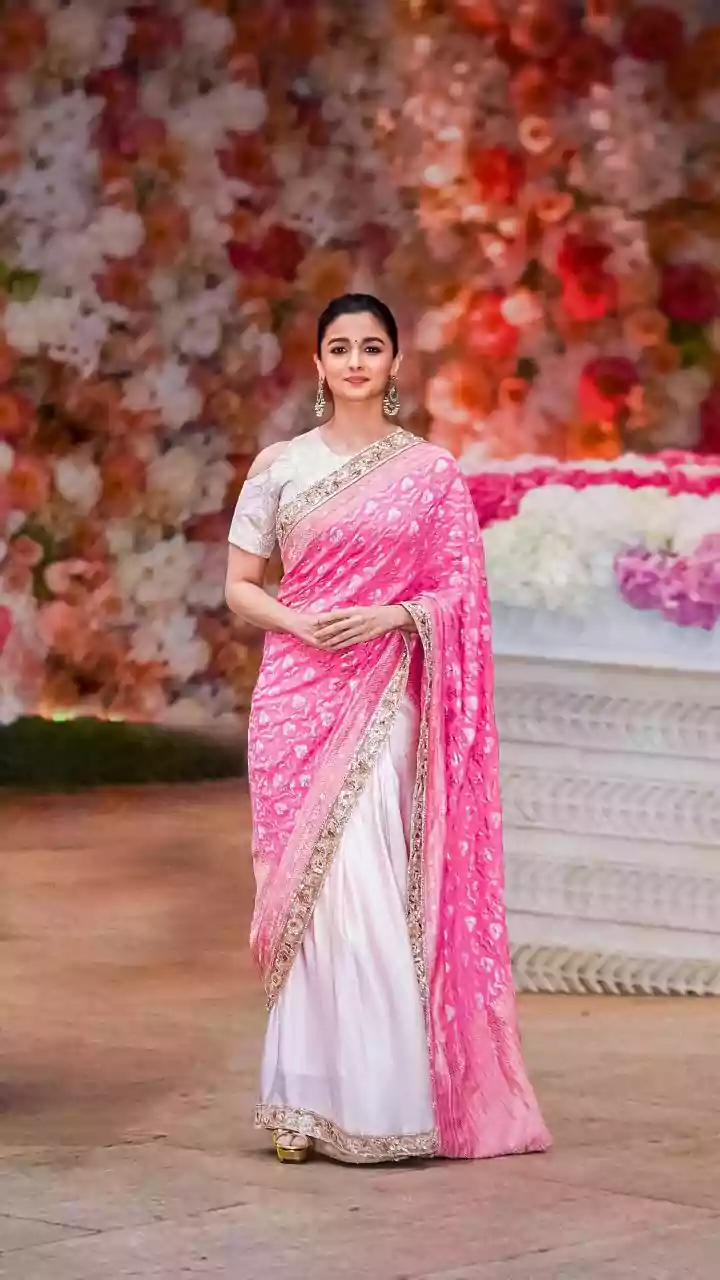
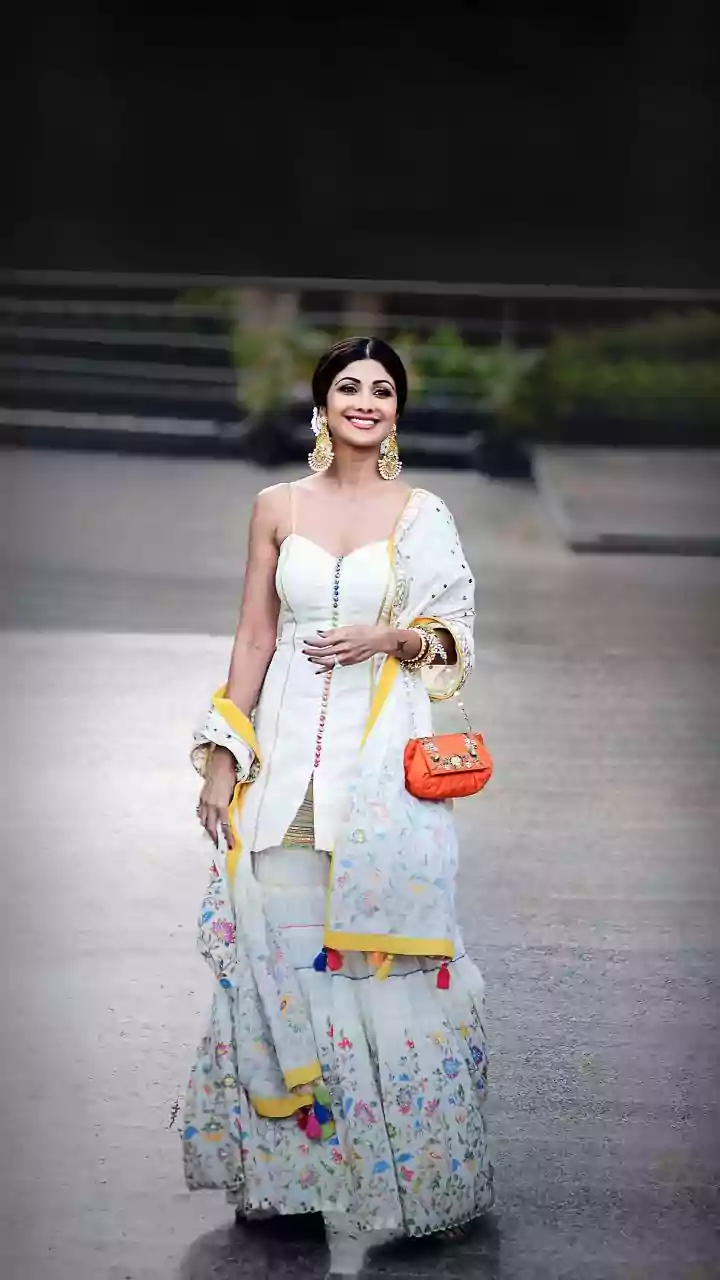
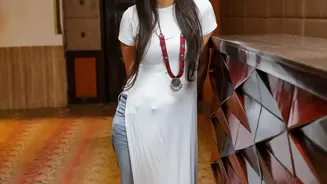
aesthetic that is both culturally rooted and effortlessly contemporary. Think of pairing a vibrant Bandhani dupatta with a plain white shirt and jeans, or throwing a denim jacket over an embroidered kurta. It's about taking heritage pieces—whether a mother's vintage silk saree or a hand-block printed skirt—and integrating them into a functional, everyday wardrobe. The result is a look that feels personal and fresh, breaking free from the rigid styling of the past.
Fashion as a Form of Identity
This trend is more than just an aesthetic choice; it's a powerful expression of identity. For a generation raised on global influences, mixing styles is a way to honour their roots while embracing a modern, international perspective. It’s a declaration that one doesn't have to choose between being traditional and being modern. By pairing a handloom textile with a Western silhouette, young Indians are crafting a visual language that reflects their multifaceted lives. This act of 'cultural ownership' allows them to stay connected to their heritage in a way that feels authentic and personal, not prescribed. It’s about wearing clothes with a story and a purpose.
The Practicality of Panache
Let’s be honest: while beautiful, many traditional outfits can be heavy and cumbersome. A key driver of this fusion trend is a demand for comfort. Young consumers want clothing that is not only stylish but also practical for a fast-paced urban lifestyle, whether for college, work, or a casual outing. Replacing a heavy, embellished blouse with a simple t-shirt or crop top makes a lehenga instantly more wearable. Pairing a kurta with jeans or comfortable dhoti pants offers a blend of ease and elegance. This 'pajama philosophy' prioritizes breathable fabrics and relaxed fits, ensuring that heritage fashion can be enjoyed daily, not just stored away for special events.
A Nod to Sustainability
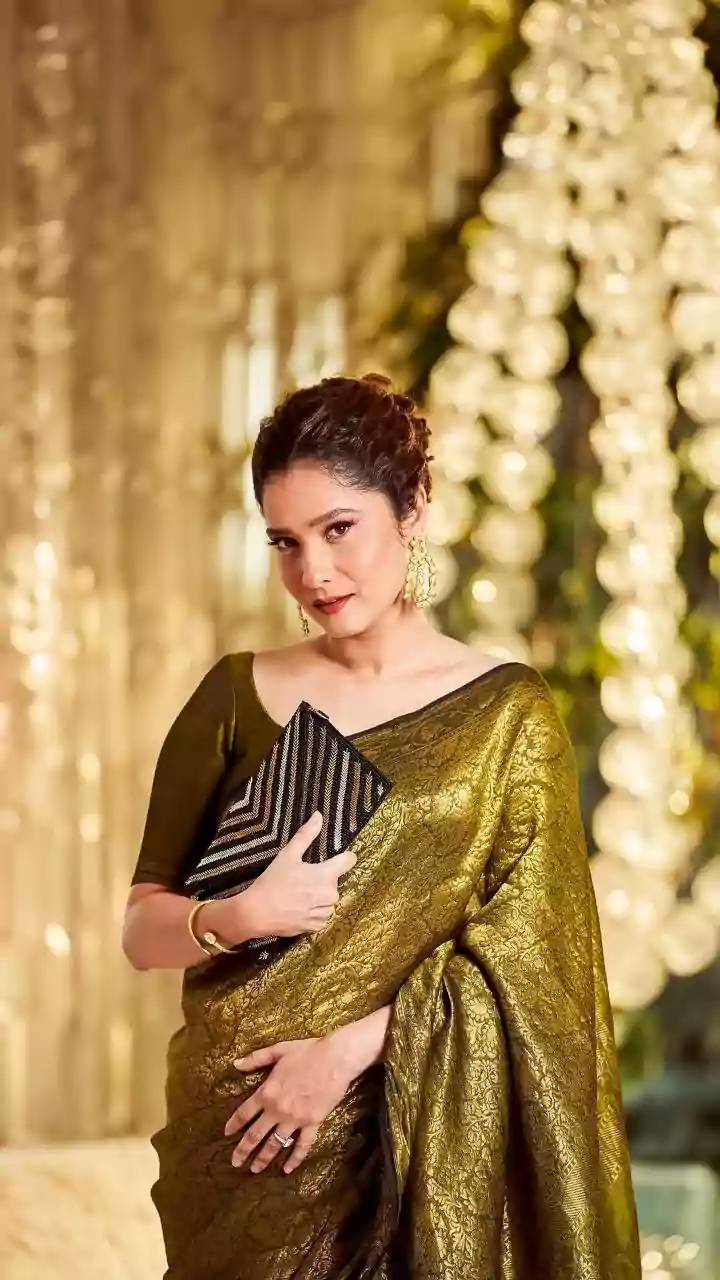
The movement towards mixing and matching also aligns with a growing consciousness around sustainability in fashion. Instead of chasing fast-fashion trends, many are looking into their own family closets, upcycling old or heirloom pieces to give them a new life. A vintage Banarasi fabric can be transformed into a modern jacket, or an old saree can be repurposed into a contemporary dress. This approach champions re-wearability and mindful consumption. By investing in timeless, handcrafted pieces and styling them in versatile ways, these fashion advocates are proving that style can be both sustainable and deeply personal, reducing waste and celebrating lasting craftsmanship.
The Influence of the Instagram Runway
Social media platforms, especially Instagram, have been instrumental in democratizing and popularizing this trend. Fashion influencers and everyday users serve as a constant source of inspiration, showcasing endless ways to style ethnic wear. A scroll through a hashtag like #OOTD can reveal a thousand different interpretations of a saree drape or a kurta pairing. This virtual runway makes fashion more accessible, allowing trends to spread rapidly from urban centres to smaller towns. It has empowered a generation to experiment, share their unique looks, and celebrate a form of ethnic glamour that is fluid, creative, and entirely their own.