




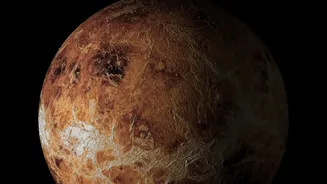
Why Venus? Earth's 'Evil Twin'
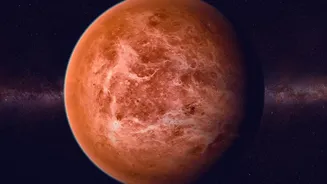
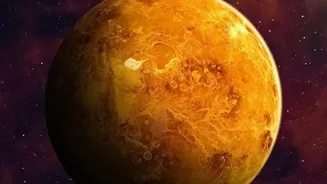
Venus is often called Earth's twin due to its similar size and mass, but the comparison ends there. It's a terrestrial planet gone wrong, with a surface hot enough to melt lead and a crushing atmosphere over 90 times denser than Earth's. This atmosphere is dominated
by carbon dioxide, creating an extreme runaway greenhouse effect that makes it the hottest planet in our solar system. Yet, scientists believe Venus may have once been habitable, possibly with liquid water oceans, much like Earth. Understanding what caused its dramatic climate shift is a key motivation for Shukrayaan, as it could provide invaluable lessons about planetary evolution and climate change right here at home.
An Orbiter Packed with Potential
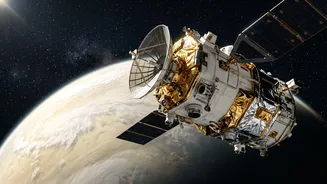
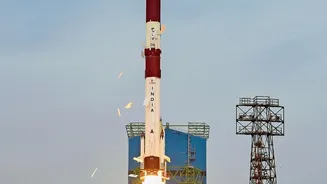
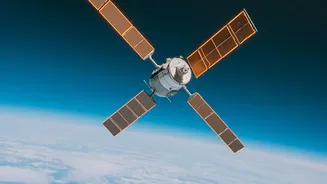
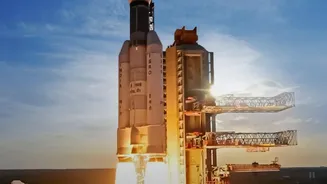
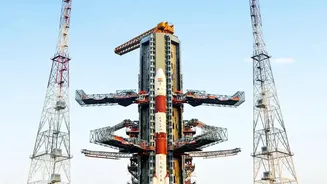
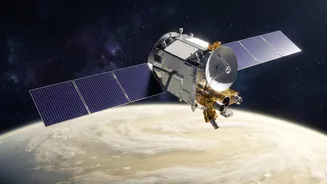
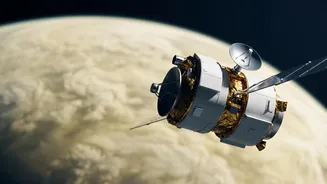
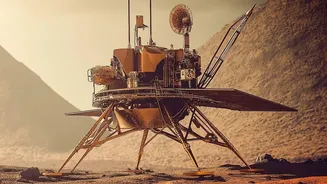
Shukrayaan-1, officially the Venus Orbiter Mission (VOM), is India’s first dedicated mission to our neighbouring planet. Formally approved by the Union Cabinet in September 2024, the mission is currently planned for a launch in March 2028 aboard the powerful LVM-3 rocket. The spacecraft will carry a science payload of around 100 kilograms, comprising roughly 19 different instruments. After a journey of about 112 days, it will enter a large elliptical orbit around Venus, starting at 500 km at its closest and swinging out to 60,000 km. Over time, it will use a technique called aerobraking to gradually lower its orbit for more detailed scientific observations.
Peering Through the Veil: The Radar Payloads
Venus’s greatest secret is its surface, permanently hidden beneath a thick, unbroken layer of sulphuric acid clouds. To see through this veil, Shukrayaan’s flagship instrument is a high-resolution Synthetic Aperture Radar (SAR). This powerful radar can collect data day or night, regardless of cloud cover, to map the Venusian terrain with a resolution expected to be four times better than NASA's Magellan mission from the 1990s. Its goal is to identify geological features like volcanoes, lava flows, and impact craters. Even more exciting, the mission will also carry a ground-penetrating radar, making it the first to ever map the subsurface of Venus, providing a look at the geological layers beneath the planet's crust.
Decoding the Atmosphere and Weather
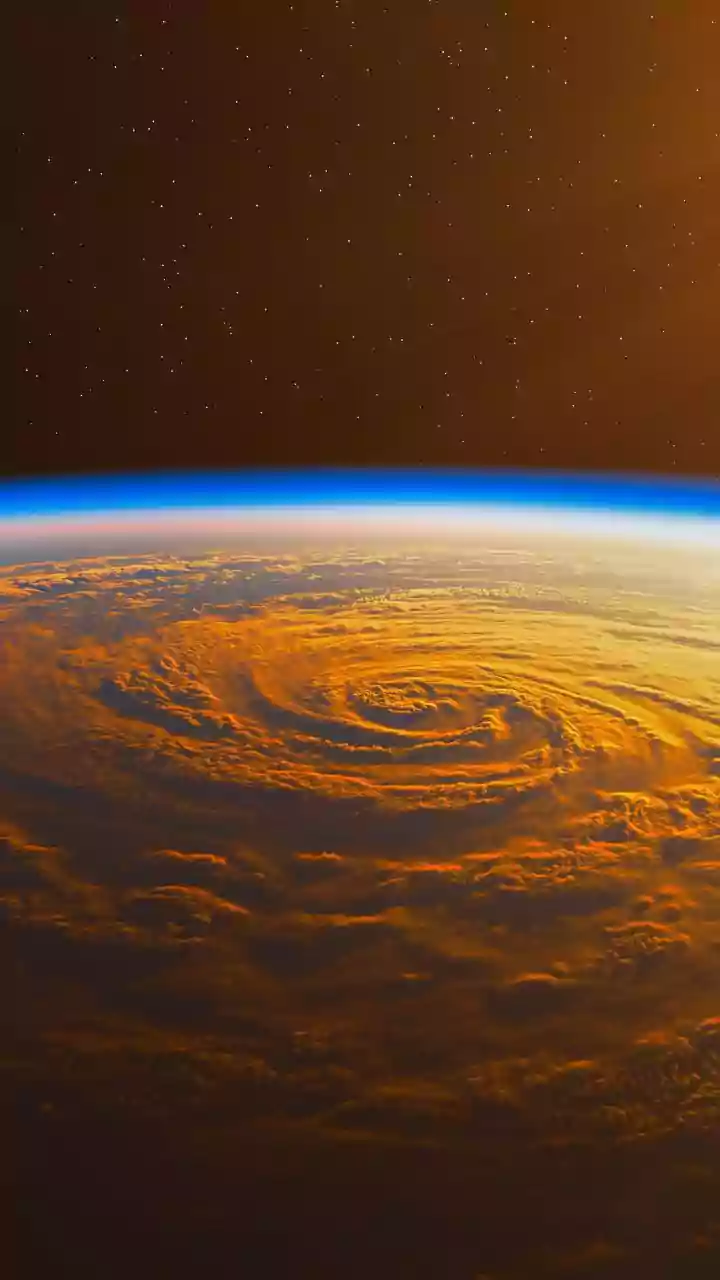
Understanding Venus’s turbulent weather and unique atmospheric composition is a primary objective. To do this, Shukrayaan will employ a range of specialised sensors. One key instrument is the Venus Infrared Atmospheric Gases Linker (VIRAL), a collaborative payload with Russia and France. VIRAL is designed to study the composition of the atmosphere, and it may even be able to investigate the disputed 2020 discovery of phosphine gas—a potential biosignature—in the Venusian clouds. Another instrument, the Venus Thermal Camera (VTC), will map thermal emissions from the cloud tops. This data will help scientists understand atmospheric dynamics, including the planet's mysterious super-rotating winds that circle the globe in just four Earth days.
A Global Effort for a Mysterious Planet
While a proud moment for India, the Shukrayaan mission is also a deeply collaborative international effort. Beyond the VIRAL instrument, Sweden is contributing to a payload designed to study how the solar wind interacts with the Venusian plasma environment. Germany is also collaborating on an instrument to study the planet's ionosphere. This global teamwork places Shukrayaan-1 alongside a new generation of Venus-bound missions, including NASA’s planned VERITAS and DAVINCI missions and Europe's EnVision orbiter. Together, these missions represent a renewed global focus on understanding our planetary neighbour, aiming to solve the decades-old mysteries of why Earth’s twin took such a different and hostile path.