


Understanding the Current Regulations
The phrase 'visa-free' can be misleading, and the landscape is constantly changing. For instance, Thailand's entry rules for Indians have been updated. After a period of a more generous visa exemption, the policy has shifted. As of mid-2026, travellers
from India will likely be eligible for a 30-day visa exemption or may need to use the Visa on Arrival (VoA) facility. This is simpler than a traditional visa process but requires awareness of the latest rules upon arrival. The most sought-after overland route to Southeast Asia via the India-Myanmar-Thailand Trilateral Highway remains a significant challenge. Due to instability and unpredictable permit requirements, the India-Myanmar land border is not considered a reliable or safe crossing for tourists at this time. However, overland trips to neighbouring countries like Nepal and Bhutan remain very accessible, with straightforward entry requirements for Indian citizens and their vehicles.
Essential Documents for Your Vehicle
Before you even think about visas, your vehicle needs its own passport. The most critical document is the Carnet de Passages en Douane (CPD or Carnet). The Carnet is an international customs document that allows you to temporarily import your vehicle into a foreign country without paying duties and taxes. It serves as a guarantee that you will take the car out of the country when you leave. This is non-negotiable for most countries beyond Nepal and Bhutan. Alongside the Carnet, you will need your original Vehicle Registration Certificate (RC), a valid Pollution Under Control (PUC) certificate, and comprehensive international motor insurance that covers the countries you plan to visit.
Securing Your International Driving Permit
Your Indian driving licence is not enough to legally drive in most foreign countries. You must obtain an International Driving Permit (IDP). The IDP is a translation of your domestic licence into multiple languages, and it is valid for one year. Applying for an IDP in India is a straightforward process that can be done through the Parivahan Sewa portal online or by visiting your local Regional Transport Office (RTO). You will typically need to submit Form 4A, a medical certificate (Form 1A), copies of your valid Indian driving licence, passport, visa (if applicable for the destination), and passport-sized photographs. It's wise to apply for this well in advance of your trip.
Prepping Your Ride for the Journey
A cross-border trip is the ultimate test for your vehicle. A thorough service is mandatory. Pay special attention to tyres, brakes, suspension, and engine fluids. It is also smart to carry essential spares that might be hard to find abroad, such as specific belts, fuses, and filters. Pack a quality toolkit, a puncture repair kit, and a reliable tyre inflator. Research country-specific requirements; for example, some nations require you to carry a fire extinguisher, a first-aid kit, and warning triangles. You may also need to affix specific stickers to your vehicle, such as a country identifier (IND) sticker.
Route Planning and Border Crossings
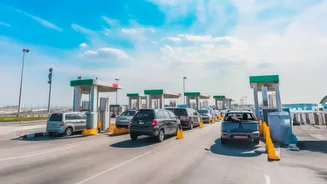
Once your paperwork and vehicle are ready, meticulous route planning is next. Use modern mapping tools but always have an offline backup. Identify the specific border crossings you intend to use and research their operating hours and current status, as situations can change quickly. For road trips to Bhutan, for example, you will need to obtain a permit at the border town of Phuntsholing. For any trip, it's crucial to understand the step-by-step process at the border: where to get your passport stamped for exit, where to present your Carnet for the vehicle, and where to complete immigration and customs formalities for entry into the new country. Patience is key, as these procedures can sometimes take several hours.
Health, Connectivity, and Finances
Your personal well-being on the road is as important as your car's. Ensure you have comprehensive travel insurance that includes medical evacuation and roadside assistance. Check if any vaccinations are required for the regions you'll be visiting and carry a well-stocked first-aid kit. For managing money, a combination of cash in the local currency, a forex card, and credit cards is ideal. To stay connected, consider purchasing local SIM cards in each country or activating an international roaming plan with your Indian provider, but be mindful of the costs. Researching local driving customs and regulations before you cross the border can also prevent fines and stressful situations.