




The Problem with the Current System
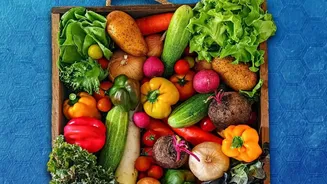
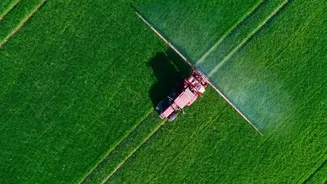
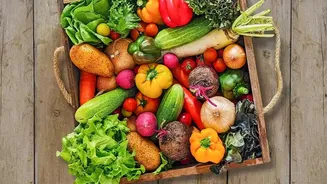
India is one of the world's largest producers of milk, fruits, and vegetables, yet it faces a critical challenge: a significant portion of perishable goods is lost after harvest. High post-harvest losses, estimated to be as much as 30-40% for some perishable goods,
are largely due to gaps in the supply chain. The journey from a farm to a city retailer is often fragmented. Food may pass through multiple handlers, with inconsistent temperature control, leading to spoilage and a higher risk of contamination. This not only results in economic losses but also poses significant public health risks, with millions of cases of food-borne illnesses reported annually. The current system often separates food testing from logistics, meaning a product might be safe at the factory but become compromised during transit or storage.
What Is the Proposed Overhaul?
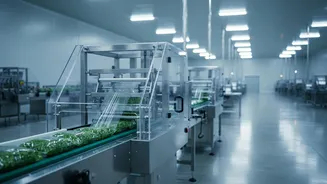
The government, spearheaded by Niti Aayog, is proposing a comprehensive overhaul that integrates food safety from the farm all the way to the consumer. The core idea is to connect food testing protocols directly with cold-chain discipline. This means creating a seamless, traceable system where the safety and quality of food are monitored at every step. The plan involves expanding the network of accredited food-testing laboratories and deploying mobile testing units for real-time checks. Crucially, it also emphasizes modernizing infrastructure like cold storage and refrigerated transport to ensure that perishable items are kept at the correct temperature throughout their journey. This concept of an 'integrated cold chain' is seen as essential for India's growing food economy.
A New Farm-to-Fork Journey
Under the new framework, the life cycle of a food product would be tracked with far greater scrutiny. Technologies like the Internet of Things (IoT) and blockchain are being explored to provide real-time data on temperature, humidity, and location from production to consumption. Imagine a shipment of seafood from Kerala tracked by sensors that ensure it remains frozen at or below -18°C until it reaches a supermarket in Delhi. If there is a temperature breach, an alert is triggered immediately, allowing for intervention before the product is compromised. This digital traceability would be a key part of the new system, creating an immutable record of a product's journey and making it easier to pinpoint and recall a specific batch in case of a safety issue.
What It Means for Your Health and Wallet
For consumers, the benefits of a more disciplined and integrated system are clear. The primary goal is to significantly reduce the incidence of food-borne diseases by preventing contamination and spoilage. This means safer, higher-quality food on your plate. Better cold-chain management can also lead to a longer shelf life for products. Furthermore, by reducing the staggering amount of food that is wasted post-harvest, the overhaul could lead to more stable supply and potentially more affordable prices for consumers in the long run. With rising consumer awareness and stricter enforcement by the Food Safety and Standards Authority of India (FSSAI), this move aims to build greater trust in the food supply chain.
Challenges and the Road Ahead
Implementing such an ambitious overhaul comes with significant challenges. For one, it requires massive investment in infrastructure, from pack-houses and pre-cooling facilities at the farm level to a nationwide fleet of refrigerated trucks. Small farmers and food business operators may find it difficult to afford the necessary upgrades. To address this, the government is considering innovative incentives, such as linking access to credit with a business's food safety compliance score. The plan also involves extensive training and certification for everyone involved in the supply chain to ensure consistent standards are met. While the path to a fully integrated, modern food safety system is complex, the proposal marks a critical step towards ensuring that the food on every Indian's plate is safe, healthy, and of high quality.