


Hanle, Ladakh: India's Dark Sky Crown Jewel
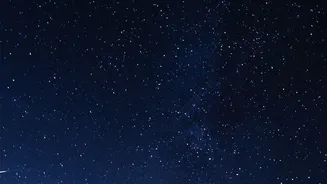
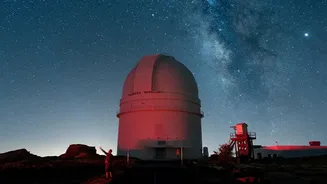
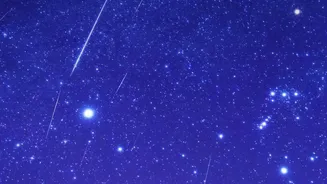
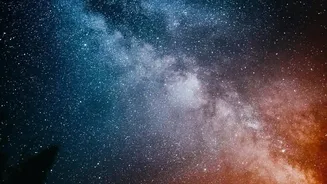
Home to India's first official Dark Sky Reserve, Hanle in Ladakh is an unparalleled destination for stargazers. Located at a breathtaking altitude of over 4,500 metres, the dry, cold desert climate and minimal light pollution provide exceptionally clear
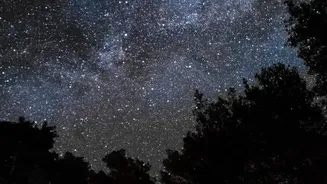
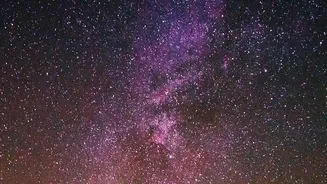
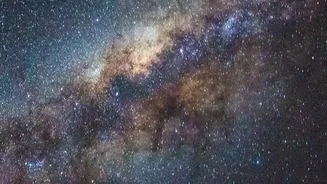
skies. The reserve, which spans a 22-kilometre radius around the Indian Astronomical Observatory, enforces strict lighting regulations to preserve the pristine darkness. On a clear, moonless night, the Milky Way is so vivid it seems almost within reach, and constellations pop with brilliant clarity. It is truly one of the highest and best places in the world for observing the night sky.
Spiti Valley, Himachal Pradesh: A High-Altitude Haven
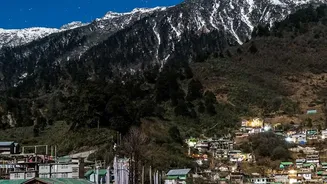
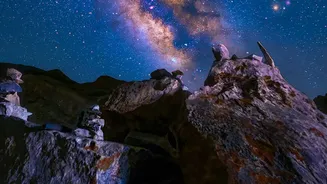
Often called a 'cold desert', Spiti Valley is another Himalayan paradise for astronomers. Villages like Kaza, Langza, and Kibber are situated at high altitudes with very little atmospheric disturbance, offering crystal-clear views of the cosmos. The remote location means light pollution is virtually non-existent, making it a favourite for astrophotographers. The stark, beautiful landscape combined with the star-studded sky creates a profound, almost spiritual experience.
Rann of Kutch, Gujarat: Desert Skies and Salty Plains
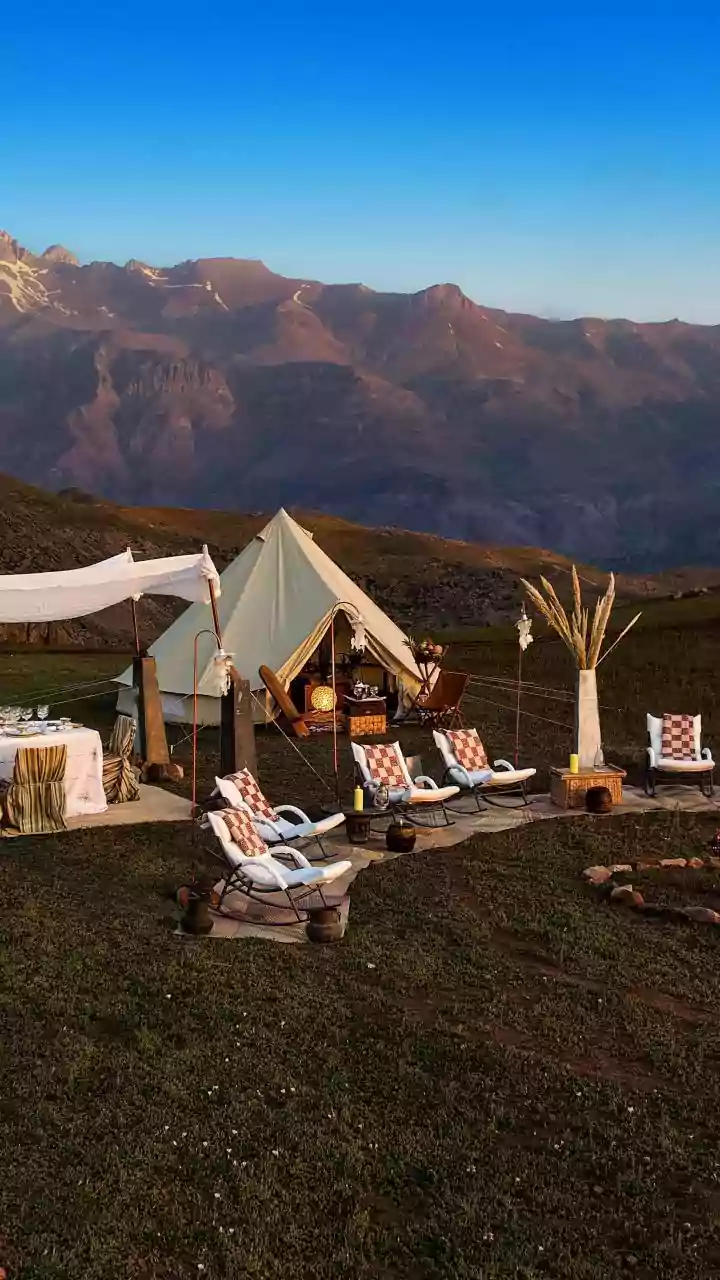
For a different kind of stargazing adventure, head to the vast white salt desert of the Rann of Kutch. The massive, flat expanse provides an unobstructed 360-degree view of the horizon. During the cooler winter months, especially on a moonless night, the sky is incredibly dark, allowing the stars to reflect off the surreal salt flats. Many desert camps in the area offer stargazing as part of their experience, particularly during the popular Rann Utsav festival.
Other Notable Stargazing Spots
Beyond the headliners, India has numerous other locations with stunning night skies. Coorg in Karnataka offers dark skies amidst coffee plantations, making it a more accessible option without extreme altitudes. The islands of Andaman and Nicobar provide a unique tropical stargazing experience over the ocean. In Rajasthan, desert camps near Jaisalmer and the area around Sariska Tiger Reserve offer clear desert nights perfect for cosmic observation.
Checklist: Planning Your Stargazing Trip
A great stargazing holiday requires careful planning. You aren't just booking a hotel; you're planning an expedition to a remote location. Before you go, run through this essential checklist to ensure your trip is both spectacular and safe. From timing your visit to packing the right gear, a little preparation goes a long way.
Timing is Everything: Moon and Weather
The single most important factor for good stargazing is a dark sky. Plan your trip around the new moon phase—the 5-day window before, during, and after the new moon is ideal. A full moon is bright enough to wash out the Milky Way and fainter stars. Also, check the seasonal weather. The clearest skies are typically found outside of the monsoon season. For high-altitude locations like Ladakh and Spiti, the post-monsoon months from September to November are often perfect.
Gear and Gadgets: What to Pack
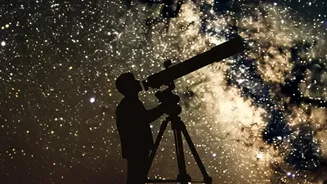
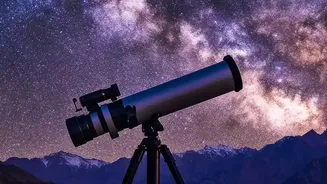
While you don't need a professional telescope, a few items can enhance your experience. A good pair of binoculars (10x50 is a great start) can reveal stunning details of the moon, planets, and star clusters. A red-light headlamp is crucial as it preserves your night vision—it can take up to 30 minutes for your eyes to fully adapt to the dark. Download a stargazing app like Stellarium or Star Walk on your phone to help identify constellations. And don't forget a portable power bank, as cold weather can drain batteries quickly.
Logistics and Safety: Remote Does Not Mean Easy
Many of the best stargazing spots are remote for a reason. Check accommodation availability in advance, as options can be limited. For locations like Hanle, you may need an Inner Line Permit (ILP), which should be arranged beforehand. Be prepared for limited or no mobile connectivity and pack accordingly. Nights get cold, even in summer, so dress in warm layers. Carry a basic first-aid kit, any necessary medications, and be aware of the symptoms of altitude sickness if travelling to the Himalayas.