






The New Rule of Sharing
The culture of borrowing from neighbours and friends is timeless in India, whether it's extra chairs for a puja or a special vessel for making festival sweets. Today, this has expanded with online platforms making it easier than ever to rent everything
from power tools to party equipment. While this convenience is undeniable, our collective awareness of hygiene has also grown. Simply returning an item is no longer enough; ensuring it’s returned clean and ready for the next user is the new standard of courtesy. This isn't about being difficult; it's about making sharing sustainable and safe for everyone involved, preserving both the item and the relationship. A clear hygiene protocol prevents awkward conversations, protects your valuable items from damage, and ensures peace of mind.
Set Expectations Before The Exchange
The best time to talk about cleaning is before the item even leaves your house. Awkwardness often comes from springing rules on someone after the fact. Instead, frame it as a mutual agreement. For informal borrowing with friends or family, a simple, friendly chat is enough. You could say, "I'm happy to lend you the blender! Just make sure to run a soapy water cycle through it before bringing it back, as it helps keep it clean." For formal rentals, a written checklist is essential. This can be a simple laminated card attached to the item or a digital document. It should clearly outline the condition it's being lent in and the expected condition upon return, including specific cleaning instructions. This removes ambiguity and protects both the owner and the borrower.
Kitchen and Cooking Appliances
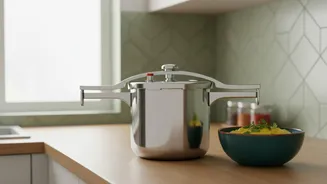
Items that come into contact with food require the most stringent cleaning. For appliances like mixers, blenders, or food processors, it’s not enough to just rinse them. Advise the borrower to disassemble all removable parts and wash them separately in warm, soapy water. A great tip for blenders is to fill the jar halfway with warm water and a drop of dish soap, then run it on high for 30 seconds for a self-cleaning cycle. For items with heating elements like sandwich makers, ensure all food residue is scraped off (using a non-metal tool to avoid scratches) and the surfaces are wiped down with a damp cloth once cool. Always specify that items must be completely dry before being stored or returned to prevent mould and mildew.
Tools and Household Equipment
For power tools, ladders, and other hardware, the focus is on both hygiene and safety. Handles and other high-touch surfaces are the primary point of contact and should be thoroughly wiped down with a disinfectant wipe or a cloth with sanitiser. More importantly, instruct the borrower to clean off any dust, sawdust, or debris from the tool itself. This is not just for cleanliness but for the tool's longevity and proper functioning. A clogged vent can cause a motor to overheat, and debris in a saw's mechanism can be a safety hazard. For wet/dry vacuums or carpet cleaners, the tanks must be emptied, rinsed thoroughly, and left to air dry completely to avoid foul odours and bacteria growth for the next user.
Textiles and Party Supplies
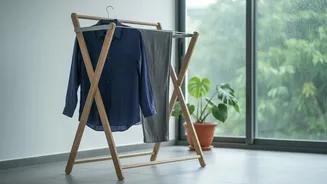
Items like extra mattresses for guests, decorative drapes, or tablecloths can be tricky. For anything machine washable, the rule should be simple: return it freshly laundered. For items that can’t be easily washed, like upholstered chairs or large rugs, the cleaning plan needs to be clear. Specify that any spills must be spot-cleaned immediately. For a rental, you might include a professional cleaning fee in the cost or require the renter to handle it. When lending items like serving platters, bowls, and cutlery for a party, the expectation should be that they are returned washed and ready for your own cupboard. Don't be afraid to specify "hand-wash only" for delicate items to prevent damage in a dishwasher.