





Fortify Your Home Against the Elements
Your first line of defence against heavy rains is a secure home. Before the monsoon fully sets in, conduct a thorough inspection of your property. Check your roof for any loose tiles or cracks that could lead to leaks. It's also vital to clean out rainwater
gutters and downpipes to ensure water flows away from your house, preventing overflows and structural damage. Look for cracks in exterior walls and gaps around windows and doors, sealing them with waterproof compounds to prevent seepage. Inside, move valuable electronics and wooden furniture away from walls to protect them from potential dampness. Finally, ensure your home's drainage system, including bathroom and kitchen drains, is clear of blockages to prevent water from backing up.
Assemble a Monsoon Emergency Kit
Power cuts and mobility issues are common during severe weather. A well-stocked emergency kit can make a significant difference. Your kit should contain a powerful torch with extra batteries, a fully charged power bank for your mobile devices, and candles. A comprehensive first-aid kit is non-negotiable, including bandages, antiseptic solution, pain relievers, and any prescription medications for at least a week. Stock up on non-perishable food items like biscuits, nuts, and ready-to-eat meals, along with several litres of clean drinking water. It’s also wise to keep important documents such as property papers and IDs in a waterproof bag.
Prioritise Health and Hygiene
The monsoon season can see a spike in water-borne and vector-borne diseases. Contaminated water is a primary cause of illnesses like typhoid, cholera, and gastroenteritis. Always drink boiled or filtered water and avoid using ice from unknown sources. Street food, however tempting, can be risky during this season due to the high chance of contamination. To prevent mosquito-borne diseases like dengue and malaria, eliminate any stagnant water around your home. Empty water from coolers, flower pots, and any discarded containers where mosquitoes can breed. Using mosquito repellents and nets is also highly recommended.
Navigate the City Safely
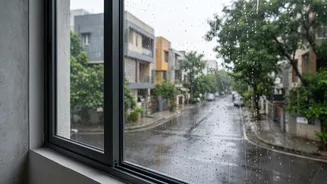
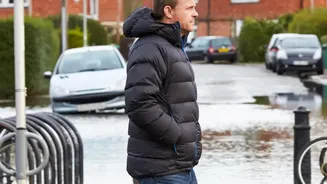
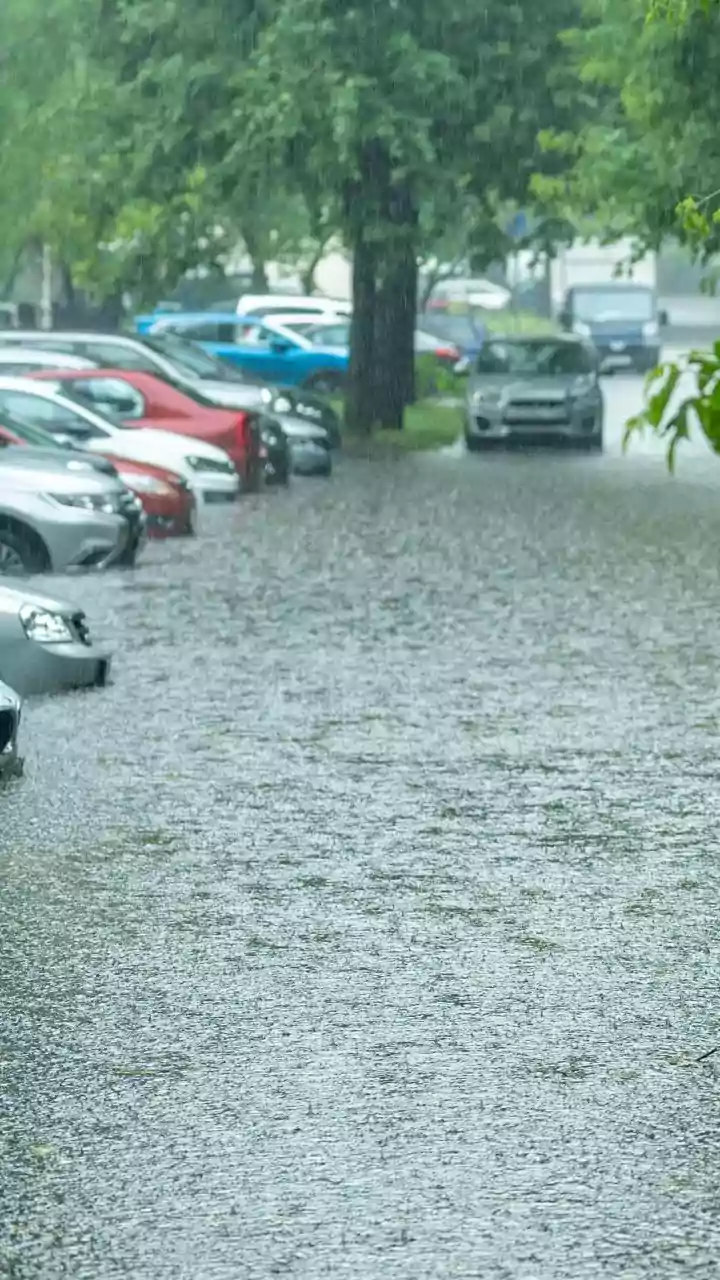
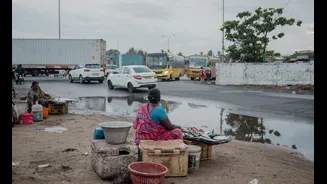
Commuting in cities like Chennai and Bengaluru can become treacherous during heavy downpours. Waterlogged streets can hide open manholes and other hazards. Never attempt to walk or drive through flooded areas, as even a few inches of moving water can be dangerous. Be extremely cautious of fallen power lines or exposed electrical wires, and report them to authorities immediately. Plan your travel in advance, check weather updates on official apps like those from the India Meteorological Department (IMD), and be prepared for significant delays. If you get caught in the rain, ensure your feet and clothing are dried thoroughly once you are indoors to prevent fungal infections.
Strengthen Community Preparedness
Monsoon preparedness extends beyond individual households. Check in on elderly neighbours or those who live alone to ensure they have adequate supplies and are safe. Community efforts to clean local drains before the rains can significantly reduce the risk of localised flooding. Many cities have early warning systems, such as Chennai's C-FLOWS, that provide real-time flood alerts. Familiarise yourself with these resources and have emergency contact numbers for local disaster management authorities, medical services, and utilities saved on your phone. A coordinated community response can help mitigate risks and ensure everyone stays safe throughout the season.