


The Narrative Power of Books
Books do more than just fill shelves; they are versatile styling tools that add height, colour, and personality. Instead of seeing them merely as objects to be read, think of them as building blocks for creating visual interest. On a coffee table, a stack
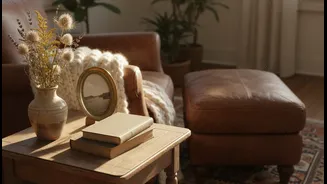
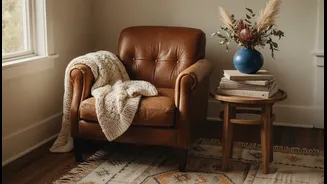
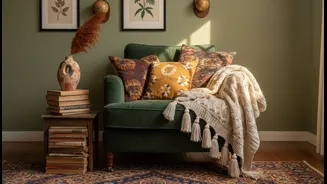
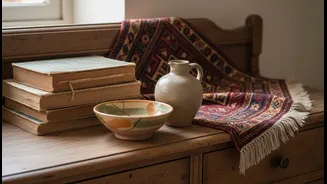
of three or five books can serve as a pedestal for a small decorative object or a candle. This simple trick breaks up a flat surface and creates an intentional focal point. Don't be afraid to play with orientation. Stacking books horizontally creates a different feel from a vertical row. Consider arranging them by the colour of their spines to create a cohesive palette or an eclectic mix. For a more subtle, textural look, you can even turn some books around to show the pages. Ultimately, the books you choose to display tell a story about your interests and passions, making your decor deeply personal.
The Comforting Touch of Textiles
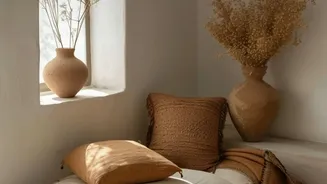
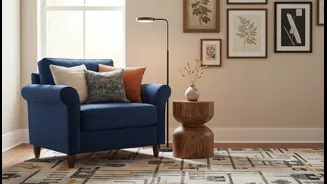
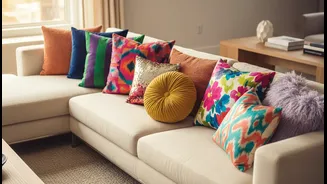
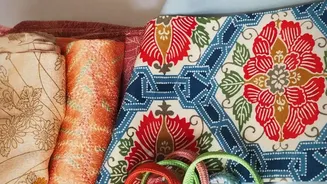
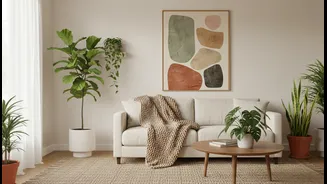
Textiles are the easiest way to add warmth, softness, and dimension to a space. A room full of hard surfaces can feel cold and unwelcoming, but layering fabrics instantly makes it feel more inviting. Start with your largest pieces, like rugs and curtains, which act as the foundation. A plush rug can anchor a seating area, while draperies soften the hard lines of a window frame and help absorb sound. From there, build up with smaller, more flexible layers. Drape a chunky knit throw over the arm of a sofa, add a mix of pillows with different textures—like velvet, linen, and wool—to a bed or armchair. The key is to create contrast. Pair a smooth leather sofa with a fluffy bouclé pillow, or a sleek wooden chair with a soft sheepskin throw. This mix of textures not only looks sophisticated but also makes a space feel genuinely comfortable and lived-in.
The Artistic Charm of Ceramics
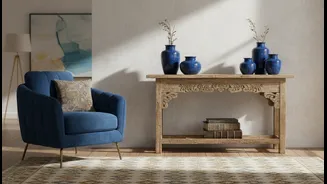
Ceramics, from rustic pottery to sleek modern vases, bring an artisanal, sculptural element to any room. Grouping these objects is more effective than scattering them around. A collection of similar pieces gathered on a mantelpiece or bookshelf makes a much stronger statement. When arranging them, follow the 'rule of threes,' a classic design principle that suggests grouping items in odd numbers is more visually appealing. Play with varying heights and shapes to keep the eye moving. For example, you could pair a tall, slender vase with a low, wide bowl and a medium-sized sculptural object. Don't worry if the pieces don't match perfectly; a common thread, like a shared colour family or finish, can tie a disparate collection together beautifully. This approach allows you to showcase unique finds and create small, artful moments throughout your home.
Bringing It All Together in Vignettes
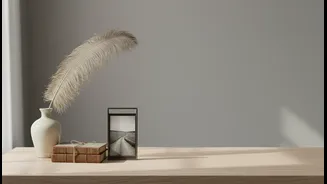
The magic happens when you combine these elements to create small, styled scenes, or vignettes. A vignette tells a story and brings personality to an otherwise empty surface, like a console table, a nightstand, or a set of shelves. Start with a base, perhaps a tray or a stack of books. Then, add height with a ceramic vase holding a few branches. Next, introduce a different texture with a folded linen napkin or a small, decorative bowl. Finish with a personal touch—a framed photo, a found object from a trip, or a favourite scented candle. Remember to vary the scale and height of your objects to create a balanced composition. The goal isn't perfection, but a thoughtful arrangement of items you love that, together, create a look that is layered, interesting, and entirely your own.