




The Warning Signs Your Body May Send
High blood sugar, or hyperglycemia, often develops gradually, so you might not notice the symptoms until levels are quite high. Common early signs include feeling very thirsty and needing to urinate more often than usual. Your body is trying to flush
out the excess sugar through urine, which in turn makes you dehydrated and thirsty. You might also experience unexplained fatigue, feeling weak or tired even after a good night's sleep. This happens because your body's cells aren't getting the glucose they need for energy. Other signals can include blurred vision, frequent headaches, and even weight loss despite an increased appetite. These symptoms are your body's way of telling you that something is out of balance.
The Dangers of Self-Diagnosing
In the age of instant information, it’s tempting to search your symptoms online and arrive at your own conclusion. However, this can be misleading and dangerous. Many symptoms of high blood sugar overlap with other health conditions, from vitamin deficiencies to sleep disorders. Self-diagnosing might lead you to dismiss a serious issue or cause unnecessary anxiety over a wrong conclusion. Relying on unverified online sources can lead to misinformation and a false sense of security or alarm. The biggest risk is delaying proper medical treatment. Conditions like diabetes require a clear diagnosis from a healthcare professional to create a safe and effective management plan. Guessing can lead to uncontrolled blood sugar, which poses significant long-term health risks.
The Gold Standard: Why Blood Tests Are Crucial
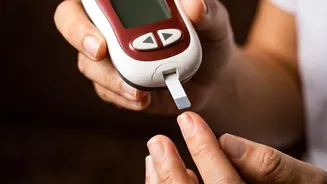
A blood test is the only definitive way to know if your blood sugar is too high. Unlike symptom-checking, a blood test provides precise, objective data for an accurate diagnosis. Doctors typically use a few different types of tests. The Fasting Plasma Glucose (FPG) test measures your blood sugar after you haven't eaten for at least eight hours. The HbA1c test is particularly useful as it provides an average of your blood sugar levels over the past two to three months, giving a bigger-picture view of your glucose control. Other tests, like the Random Plasma Glucose (RPG) test or an Oral Glucose Tolerance Test (OGTT), may also be used depending on the situation. These tests remove the guesswork and are essential for diagnosing prediabetes and diabetes correctly.
Understanding the Risks of Delay
Ignoring the symptoms or delaying a proper diagnosis can have serious, long term consequences. Chronically high blood sugar can damage blood vessels throughout the body. This damage increases your risk for a host of complications, including heart disease, stroke, and high blood pressure. It can also harm the delicate blood vessels in your kidneys and eyes, potentially leading to kidney disease or vision loss over time. Another common complication is nerve damage (neuropathy), which often starts as tingling or numbness in the hands and feet. Early detection and management are key to preventing or delaying these severe health problems.
If any of the symptoms mentioned feel familiar, the most important step is to not panic, but to take action. Schedule an appointment with your doctor to discuss your concerns. Be open about the symptoms you're experiencing, no matter how minor they seem. Your doctor can determine if a blood test is necessary and explain what the results mean. Getting a diagnosis is not a verdict, but the first step toward managing your health. With the right lifestyle changes, and medication if needed, you can effectively manage your blood sugar levels and lead a healthy, active life. A definitive answer from a blood test empowers you to make informed decisions for your well being.