






A Cleaner, Faster Interface
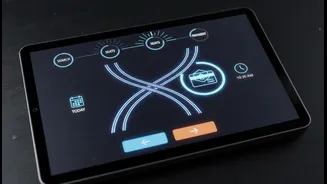
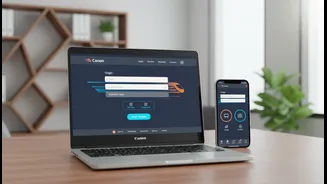
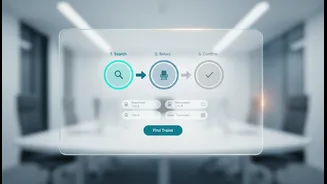
The most immediate change users will notice is the redesigned user interface. The new portal is built to be cleaner and more intuitive, removing many of the unnecessary pop-ups, flashing ads, and repeated CAPTCHA verifications that used to interrupt the booking
process. This streamlined design is not just for aesthetics; it is a direct response to user feedback calling for a less frustrating experience, especially during the high-stakes rush of Tatkal bookings. By reducing on-screen clutter, the platform aims to guide users from search to payment with fewer distractions and clicks, significantly speeding up the entire reservation journey.
Massive Boost in Performance
Beyond the visual overhaul, the new system features a major upgrade in backend infrastructure. The platform's booking capacity has been increased substantially, now capable of processing more than 1.5 lakh ticket bookings per minute, a massive leap from the previous capacity of around 32,000. In tandem, the Passenger Reservation System (PRS) can now handle over 40 lakh enquiries per minute, compared to about 4 lakh previously. In practical terms, this means the website is far less likely to crash or lag during peak demand, providing a more stable and reliable service when millions of users log in at once.
All Class Availability on One Screen
A simple yet powerful new feature is the unified seat availability view. Previously, users had to click on each travel class (Sleeper, 3A, 2A, etc.) individually to check for available seats, a time-consuming process of toggling back and forth. The updated portal now displays the availability for all classes on a single screen for any given train. This allows for a quick and easy comparison of options, helping passengers make faster decisions without navigating multiple pages. This small change significantly streamlines the process of finding a suitable seat.
Smarter, User-Focused Features
The revamped website introduces several passenger-centric tools. A new fare calendar allows travelers with flexible dates to easily compare prices across a range of days, helping them find the most economical option. For the first time on the main portal, passengers can also specify their preferred seat or berth choices during the booking process. Furthermore, the platform has integrated services for Divyangjan, students, and patients, consolidating concession bookings into one accessible location. To cater to a wider audience, the site will also support multiple Indian languages, making it more accessible to users outside of major urban centres.
AI-Powered Assistance with Ask Disha 2.0
Complementing the new website is AskDISHA 2.0, an upgraded AI-powered chatbot designed to be a virtual assistant for travelers. This tool allows users to book tickets, check PNR status, process cancellations, and track refunds through simple conversational commands via voice or text. It supports multiple languages, including English and Hindi, and importantly, it allows booking without needing to remember an IRCTC password, using a secure OTP for authentication instead. This conversational approach to booking simplifies the process for those who may not be comfortable navigating the standard web interface.