



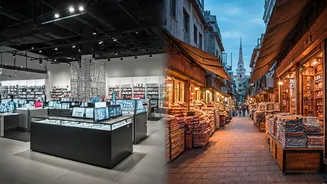


From Endorsement to E-commerce
The era of influencers simply holding up a product for a sponsored post is rapidly fading. The new model is far more integrated, transforming creators from marketing channels into direct sales platforms. The shift is from passive endorsement to active
commerce, where influencers don't just generate 'awareness' but are expected to drive measurable results like sales and sign-ups. [16] This evolution is at the heart of the creator economy in India, which is projected to see its influencer marketing sector reach approximately ₹3,375 crore in 2026. [6, 7, 13] This isn't just about affiliate links in a bio anymore; it's about social media platforms like Instagram and YouTube becoming full-fledged storefronts, blurring the line between content and checkout. [30]
The Rise of Social and Live Commerce
The engine of this change is social commerce—the seamless integration of shopping functionalities within social media. [12, 19] Instead of discovering a product on Instagram and then searching for it on an e-commerce site, consumers can now buy it directly within the app. [30] This collapses the traditional sales funnel from days into seconds. [25] Adding another layer is live shopping, an interactive format where hosts—often influencers—showcase products in real-time. [14, 23] This blend of entertainment and retail allows viewers to ask questions and purchase instantly, leading to conversion rates that can be ten times higher than traditional e-commerce. [9, 24] India's social commerce market, valued at USD 8.9 billion in 2025, is projected to surge to USD 54.4 billion by 2034, fueled by these engaging formats. [12]
Trust as the New Currency
At its core, this commercial shift is built on trust. Consumers, particularly younger demographics, often place more faith in peer-endorsed content from a creator they follow than in traditional advertising. [11, 30] This is especially true for micro and nano-influencers, who may have smaller followings but boast higher engagement and a more authentic connection with their audience. [6, 16] Brands that once chased celebrity-level reach are now prioritising long-term partnerships with creators who align with their values, as this builds a more credible narrative. [13, 16] Success stories from Indian D2C brands like Mamaearth and boAt show how this strategy works; they built their brands by embedding themselves in authentic conversations led by hundreds of smaller creators, rather than relying on a few large campaigns. [8, 29]
Creators as Competing Brands
The most significant outcome of this trend is the rise of influencers as brands in their own right. Armed with a loyal community and direct-to-consumer sales channels, many are launching their own product lines, moving from being advertisers for other companies to becoming their competition. The Indian creator economy, estimated to be valued at over USD 15 billion in 2026, is no longer just about content; it's a launchpad for new businesses. [10] Influencers are leveraging their firsthand audience data and trusted status to create products they know their followers want, bypassing traditional retail gatekeepers entirely. This represents a fundamental power shift in the retail landscape, where personality and community can be more valuable than a legacy brand name.
What's Next: The Future of Your Feed
The convergence of content and commerce is only set to deepen. We can expect social platforms to roll out even more sophisticated shopping tools, while AI will offer hyper-personalized product recommendations through creators. [16] The focus for brands is shifting from one-off campaigns to building entire creator ecosystems for long-term growth. [16] For consumers, this means the distinction between scrolling for entertainment and shopping for goods will continue to dissolve. Your social media feed is no longer just a place to connect with friends or watch videos; it's rapidly becoming the world's largest, most personalized, and most influential shopping mall.