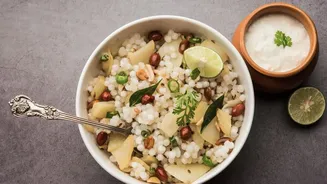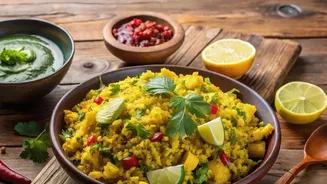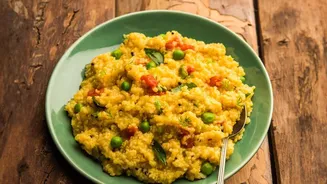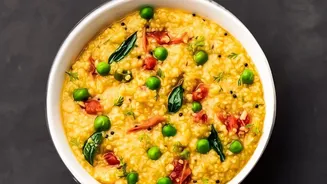


In the world of Indian comfort food, Dalia and Khichdi reign supreme. Both are hailed as wholesome, simple, and nourishing. But when it comes to nutrition, is one truly better than the other? Let's break down this classic food face-off.
The Nutritional Showdown
At a glance, both
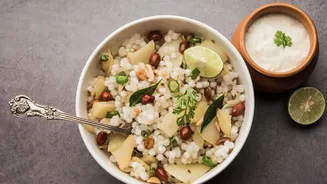
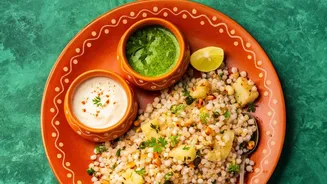
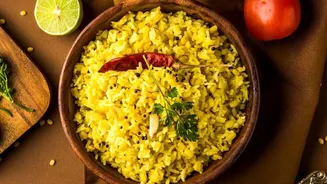
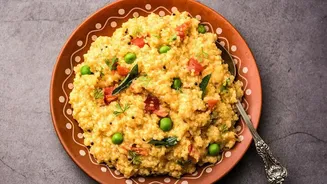
Dalia and Khichdi are pillars of a healthy diet, but their core ingredients create key differences. Dalia is made from cracked or broken wheat, making it a whole-grain powerhouse. A typical 100g serving of uncooked Dalia is packed with approximately 12g of protein and a remarkable 10-12g of dietary fibre. It's also a great source of essential minerals like iron and magnesium. Khichdi, on the other hand, is a versatile combination of rice and lentils, most commonly moong dal. This pairing creates a complete protein, providing all nine essential amino acids. A serving of basic moong dal khichdi (around 1 cup, cooked) offers a more moderate nutritional profile, with roughly 5-8g of protein and 3-4g of fibre, though these values can change based on the rice-to-dal ratio and added vegetables.
For the Weight Watchers
If weight management is your primary goal, Dalia often has a slight edge. The secret lies in its high fibre content. Fibre slows down digestion, which promotes a feeling of fullness, or satiety, for a longer period. This can help curb cravings and reduce overall calorie intake. Dalia's complex carbohydrates also provide a steady release of energy, preventing the slumps that can lead to unhealthy snacking. While Khichdi can also be part of a weight-loss diet, its satiety effect may be less pronounced than Dalia's unless it is bulked up with a high proportion of dal and fibrous vegetables. Preparing Khichdi with minimal ghee or oil is also crucial for keeping it low in calories.
The Digestive Health Champion
When your digestive system needs a break, Khichdi is the undisputed champion. It is renowned in Ayurveda and Indian households as a healing food, exceptionally gentle on the stomach and easy to digest. The combination of soft-cooked rice and moong dal is soothing for the gut, making it an ideal meal during illness, recovery, or for anyone with a sensitive digestive system. Dalia, being a high-fibre whole grain, is excellent for promoting regular bowel movements and preventing constipation. However, for someone experiencing acute digestive distress like bloating or discomfort, the high fibre content in Dalia might be temporarily difficult to process compared to the gentle nature of Khichdi.
Blood Sugar and Energy Levels
Both meals are favourable for managing blood sugar, but they work in slightly different ways. Dalia has a low glycemic index (GI), often cited as around 41, meaning it releases sugar into the bloodstream slowly. This prevents sudden spikes and crashes in blood sugar and provides sustained energy, making it an excellent choice for individuals with diabetes. The GI of Khichdi can be slightly higher, typically in the low-to-moderate range (around 48-55), depending on the type of rice used. However, the protein from the lentils and fibre from any added vegetables also helps slow down glucose absorption, making it a suitable option for diabetics as well. The balance of carbs and protein in Khichdi provides both quick and sustained energy.
Versatility and Customisation
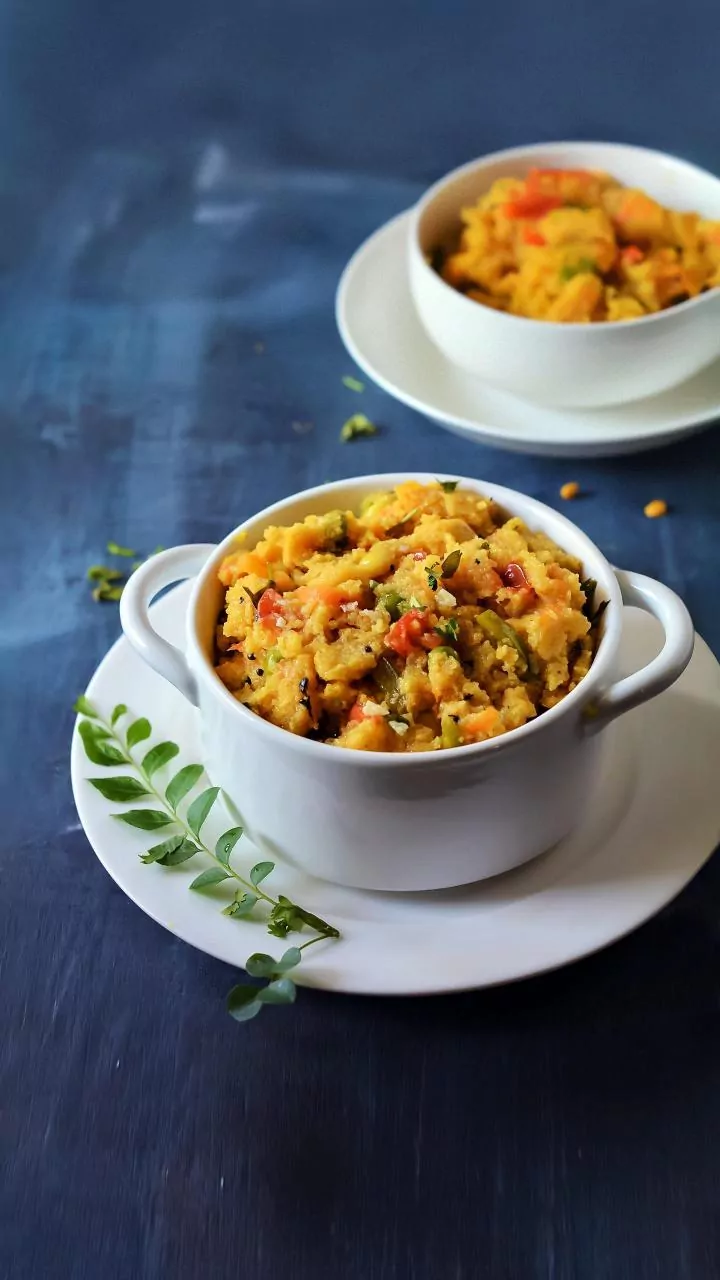
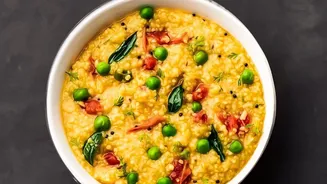
Both dishes are incredibly versatile. Dalia can be prepared as a savoury upma or porridge loaded with vegetables, or as a sweet dish with milk and nuts for a hearty breakfast. This adaptability allows you to easily boost its nutritional value. Khichdi is similarly a blank canvas. You can experiment with different lentils, use brown rice or millets instead of white rice for more fibre, and load it with spices and vegetables like spinach, peas, and carrots to enhance its nutrient profile. Adding a dollop of curd to your Khichdi not only adds flavour but also introduces probiotics for gut health.