



From a Quick Fix to a Considered Ritual
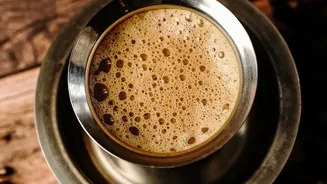
The coffee landscape in India is undergoing a rapid transformation. What was once a market dominated by instant coffee and traditional South Indian filter kaapi is now seeing an explosion of interest in specialty coffee. This change is primarily fueled
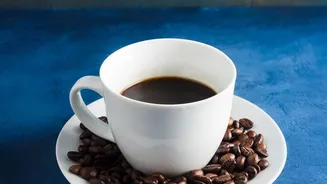
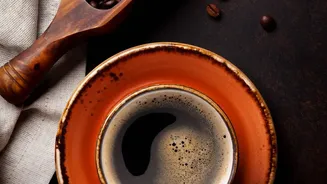
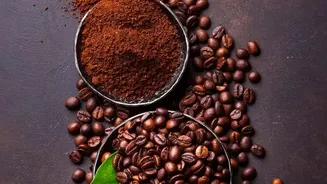
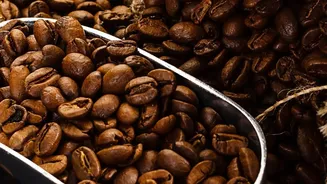
by Millennials and Gen Z, who view coffee not just as a functional caffeine delivery system but as an experience and a lifestyle statement. They are moving away from the convenience of instant powder and embracing the complexities of single-origin beans, where the story behind the cup—the specific estate, the altitude, and the processing method—is as important as the taste. This shift represents a move towards mindful consumption, where quality, authenticity, and craftsmanship are highly valued.
The Third Wave Arrives in India
This movement is part of a global phenomenon known as the “third wave” of coffee. The first wave was the popularization of instant coffee for the masses. The second wave was the rise of café chains like Starbucks, which introduced espresso-based drinks and a social coffee-shop culture. The third wave treats coffee as an artisanal product, much like wine, focusing on high-quality, single-origin beans with unique flavor profiles. In India, this wave has been popularized by a new generation of roasters and cafés such as Blue Tokai and Third Wave Coffee, which have played a pivotal role in educating consumers. They emphasize traceability, working directly with Indian coffee estates in regions like Chikmagalur, Coorg, and the Araku Valley to bring the best beans to a domestic audience that was previously overlooked.
Drivers of the Change: Palates, Pockets, and Pictures
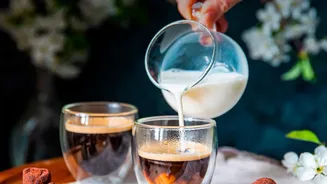
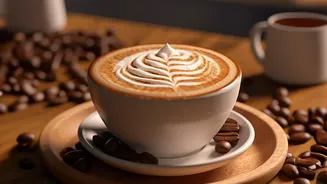
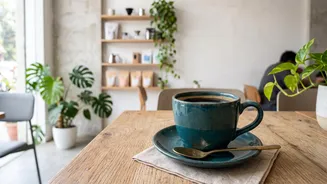
Several factors are driving this upgrade in coffee consumption. Rising disposable incomes among India's expanding middle class have given young consumers the spending power to explore premium options. Increased global exposure through travel and social media has made them aware of international trends, including the specialty coffee movement. Cafés have become aspirational social spaces, and the aesthetic appeal of a well-crafted latte or a manual pour-over brew is highly shareable online, making coffee a part of one's social identity. There is also a growing curiosity about the product itself—consumers want to know where their coffee comes from and how it was made, leading to a surge in home brewing. Many are now investing in grinders and brewing equipment to recreate the café experience at home.
A Boost for India's Coffee Growers
For years, many of India's best coffee beans were exported, with little recognition within the country. This growing domestic demand for high-quality, single-origin coffee is a game-changer for Indian coffee estates. Farmers in celebrated regions like the Baba Budan Giri hills and estates like Ratnagiri and Baarbara are now finding an appreciative local market. Roasters are collaborating directly with growers, providing feedback that helps elevate the quality of the coffee even further. This creates a sustainable cycle where farmers are incentivized to produce unique, high-quality micro-lots, knowing there is a domestic customer base willing to pay a premium for their distinct character. Even major international brands like Tata Starbucks are now highlighting exclusive single-origin beans from specific Indian estates like Karadibetta and Margolly.