






Why Your Standard GPS Isn't Enough
You’ve packed your bags, filled up the tank, and your Google Maps is set for the mountains. While fantastic for navigating city traffic and finding the quickest route to a cafe, standard GPS apps have a critical weakness when it comes to sudden, unpredictable
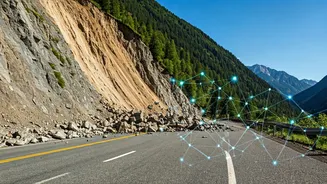
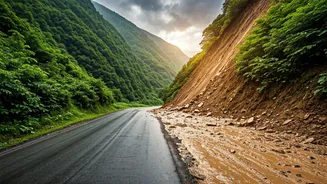
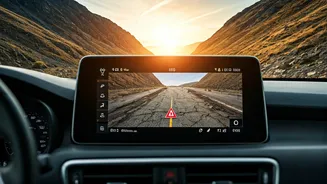
natural events like landslides. These apps rely on algorithmic data and official reports, which can be slow to update for remote areas. A landslide might block a road for hours before it’s officially registered and reflects on your map. By then, you could already be part of a multi-kilometre tailback with no way to turn around. This information gap is where decentralised, community-driven platforms become an indispensable tool for the modern road-tripper.
The Power of the Crowd
So, what are “decentralized map forums”? Don’t let the jargon intimidate you. It simply refers to any platform where users—fellow travellers, locals, and taxi drivers on the ground—share real-time information directly with each other. Think of it as a digital version of asking a truck driver at a dhaba about the road ahead. This model bypasses the slow, centralised reporting system. Information is instant, raw, and often comes with visual proof like photos and videos. When a landslide occurs, the first people to know are those who are right there. These platforms allow them to instantly warn hundreds or thousands of others heading in the same direction, giving you precious time to find an alternative route or delay your journey.
Your Digital Toolkit for Road Safety
Building a reliable information network for your trip is easier than you think. You don't need one single magic app, but a combination of a few key resources. Before you set off, prepare your digital toolkit: 1. **Dedicated Driving Apps:** Apps like Waze are built on this very principle. Every user is a potential reporter. They can flag accidents, road closures, and police presence in real time. The app’s user base in India is growing, making it increasingly reliable, especially on popular tourist circuits. 2. **Travel and Motoring Forums:** For decades, platforms like Team-BHP have been the gold standard for Indian automotive enthusiasts. Their forums contain dedicated threads for road conditions across the country, which are meticulously updated by seasoned travellers. A quick search for “Leh road status” or “Spiti Valley conditions” will yield pages of recent, detailed updates. 3. **Social Media Groups:** This is perhaps the most powerful tool. Search on Facebook for groups like “Roads to Ladakh & Spiti” or travel groups for the specific region you're visiting (e.g., Uttarakhand, Himachal Pradesh). These communities are incredibly active, with members posting live updates, photos of roadblocks, and advice on detours. Similarly, many travel operators and local communities run WhatsApp and Telegram groups for real-time alerts.
Using These Tools Effectively
Harnessing crowd-sourced information requires a bit of smart filtering. First, always try to cross-reference information. If one person posts about a roadblock on a Facebook group, see if you can find a similar report on Waze or another forum. Second, prioritise recency. A report from yesterday is far less valuable than one from 20 minutes ago. Look for timestamps and ask for updates in the comments. Third, favour reports with photographic or video evidence. A picture of a landslide is undeniable proof. Finally, remember that this information is often unofficial. It’s a powerful guide, but it’s not a replacement for common sense or official advisories from local police or disaster management authorities.
Safety is More Than an App
While these tools are fantastic for avoiding delays, they are primarily safety tools. Getting stuck behind a landslide isn't just an inconvenience; it can be dangerous. Use the information to make safe decisions, not to take risks. If reports indicate the weather is worsening or a road is unstable, it’s always better to wait it out in a safe town than to push forward. Always have a Plan B. Know the alternative routes, have emergency supplies in your car (water, food, first-aid), and keep your devices charged. The goal is not just to reach your destination, but to do so safely.