


In a world that never stops buzzing, the search for genuine peace can feel like a journey without a map. For first-time visitors to Northeast India, that map leads to Sikkim, a Himalayan state where calm is not just a feeling, but a way of life.
The Stillness of Tsomgo Lake
Located
about 40 kilometres from Gangtok, Tsomgo Lake, also known as Changu Lake, is a non-negotiable stop for those seeking tranquillity. This glacial lake, perched at an altitude of over 12,000 feet, is considered sacred by the Sikkimese people. In ancient times, Buddhist monks would study the changing colours of its water to forecast the future. For the modern traveller, the experience is more immediate. The crisp mountain air, the sight of the shimmering water against a backdrop of steep, often snow-covered mountains, and the sound of prayer flags fluttering in the wind create a profound sense of peace. The lake’s oval shape and kilometre-long expanse reflect the sky and peaks, changing from a brilliant turquoise in spring to a frozen, milky white in winter. For many, the journey to the lake is as meditative as the destination itself, winding through the Kyongnosla Alpine Sanctuary, a protected area rich in rhododendrons and rare wildlife.
Pelling's Meditative Heights
Pelling, a quieter town in West Sikkim, offers a unique blend of modern marvel and ancient faith. Its most famous attraction is the Pelling Skywalk, India's first glass-floored walkway, which leads to a towering 137-foot statue of Chenrezig, the Buddhist deity of compassion. While the walk on the transparent glass offers a gentle thrill, the true calm is found at the statue's base. Here, surrounded by prayer wheels and panoramic views of the Himalayas, visitors find a space for quiet contemplation. Inaugurated in 2018, the site was consecrated by the 14th Dalai Lama and is designed to be a meeting point of faith and tourism. For the best experience, arrive early in the morning when the air is clearest, offering a chance to see the mighty Kanchenjunga peak behind the statue before the daily crowds arrive.
Yuksom, the Cradle of Calm
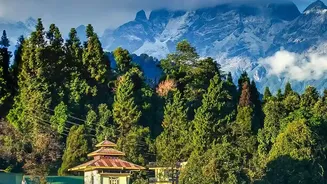
For a deeper dive into serenity, head to Yuksom. Known as the first capital of Sikkim, this historic village is where the first Chogyal (king) of Sikkim was crowned in 1642. Today, it’s a quiet hamlet tucked away in the forest, serving as the gateway to the Khangchendzonga National Park and several famous treks. But you don't need to be a trekker to appreciate Yuksom. The village itself is an exercise in slow living. Visitors can walk to the Norbugang Coronation Throne, the historical site of the crowning, or visit the serene Kathok Lake. A slightly more strenuous but rewarding walk leads up to Dubdi Monastery, considered one of the oldest in Sikkim, offering peace and solitude on its forested hill. Unlike busier tourist towns, Yuksom invites you to simply be, making it a perfect spot for those looking to disconnect and find peace.
The Whispers of a Monastery
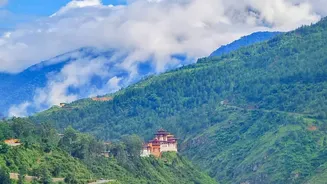
No trip to Sikkim is complete without experiencing the profound peace found within its many monasteries. These are not mere tourist sites; they are living centres of Buddhist practice and learning. Monasteries are purposefully built in isolated places, away from the distractions of city life, to help monks and visitors alike subdue the mind and find peace. Whether you visit the grand Rumtek Monastery near Gangtok, also known as the Dharma Chakra Centre, or the smaller, serene Enchey Monastery perched on a hilltop, the effect is similar. The low hum of monks chanting, the scent of butter lamps and incense, and the sight of intricate murals create an atmosphere that encourages introspection and quiet. These spaces offer a rare chance to disconnect from the noise of daily life and reconnect with a sense of inner stillness.