






The Monsoon Digestive Dilemma
As the rain clouds gather, our bodies undergo a subtle shift. According to traditional Ayurvedic wisdom, the 'agni' or digestive fire naturally weakens during the Varsha Ritu (monsoon season). The high humidity and dampness in the environment can slow
down our metabolism, making us more susceptible to indigestion, bloating, and water-borne infections. This is why that extra plate of pakoras, which seemed like a great idea at the time, often leaves you feeling heavy and sluggish. Modern science echoes this, noting that the humid weather can create a breeding ground for bacteria, putting our gut health under pressure. Our immunity is focused on fighting off external threats, so burdening our digestive system with heavy, hard-to-process foods is a recipe for feeling unwell.
The Smart Swap Revealed
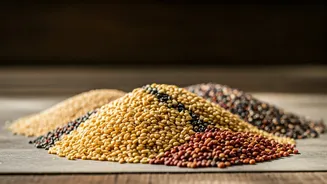
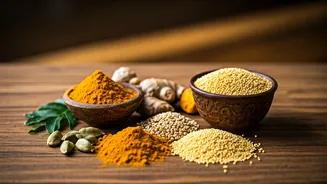
So, what's the single most impactful swap you can make? It’s time to rethink your grains. The smart swap is to replace refined grains like maida (refined wheat flour) and excessive polished white rice with traditional Indian millets. Think of consciously switching out maida-based breads, naan, and white rice preparations for wholesome alternatives made from jowar (sorghum), ragi (finger millet), and bajra (pearl millet). This isn't about deprivation; it's about upgrading your plate. These ancient grains, once staples in Indian kitchens, are making a huge comeback for a very good reason. They are perfectly suited to the demands the monsoon places on our bodies.
Why Millets Are a Monsoon Powerhouse
The benefits of this swap are significant. Firstly, millets are inherently 'laghu' (light) and easier to digest than heavy, gluten-rich wheat or refined flour. This directly counters the sluggish digestion of the monsoon. Secondly, they are packed with fibre. This not only keeps you full and prevents overeating but also aids regular bowel movements, which is crucial for flushing out toxins. Thirdly, millets are nutritional champions. Ragi is a fantastic source of calcium, while jowar and bajra are rich in iron, magnesium, and antioxidants that help fortify your immune system. Unlike refined grains that cause a rapid spike and crash in blood sugar, millets have a low glycemic index, providing sustained energy to combat that classic monsoon lethargy. By swapping maida for millets, you're not just removing something heavy, you're actively adding nutrients that your body needs to thrive.
Making the Switch Deliciously Simple
Adopting this change doesn't mean eating boring food. The beauty of millets lies in their versatility. Start small and make it enjoyable.
* **For Breakfast:** Swap your usual bread toast for a warm bowl of ragi porridge, sweetened with a little jaggery and nuts. Or try making fluffy, instant dosas using ragi or jowar flour instead of a rice-based batter.
* **For Lunch & Dinner:** Replace one of your weekly wheat rotis with jowar or bajra rotis (bhakri). They pair wonderfully with seasonal vegetable curries and dals. Instead of plain white rice, try making a khichdi using foxtail millet (kangni) – it’s incredibly light and comforting.
* **For Snacks:** This is where the magic happens. Instead of deep-fried maida-based samosas, experiment with baked millet cutlets or make a savoury 'muthia' (steamed dumpling) using bajra flour. These satisfy the craving for a warm, savoury snack without the heaviness of fried food.