



The Soulful Charm of the Irani Cafe
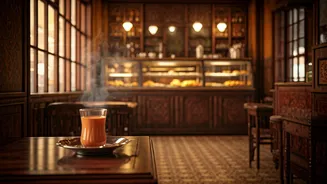
Step into Cafe Goodluck on Fergusson College Road, and you step back in time. Established in 1935, this iconic Irani cafe is woven into Pune's cultural fabric. The air is thick with the aroma of freshly baked bun maska and strong Irani chai. Marble-topped
tables, bentwood chairs, and the gentle clatter of cutlery create a rhythm that has remained unchanged for decades. These cafes, started by Irani immigrants in the 19th century, became democratic spaces for students, artists, and office-goers. Similarly, Vohuman Cafe, started in 1978, has cemented its place in the city's culinary heritage, serving its famous cheese omelettes and tea to generations of Punekars. The appeal isn't in the decor, which is often minimal, but in the consistency, the affordable comfort, and the sense of community. These are not just eateries; they are institutions of memory and belonging.
The Rise of the Instagrammable Experience
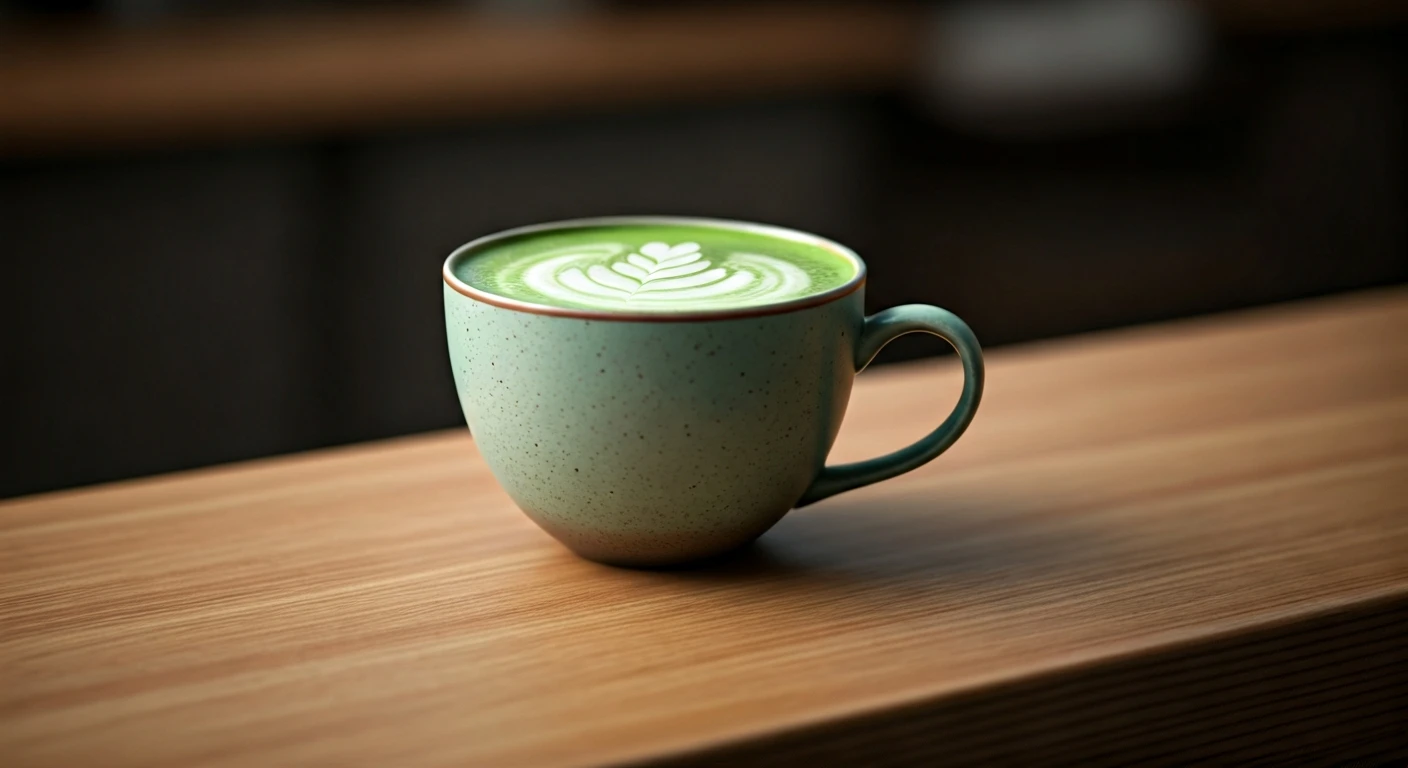
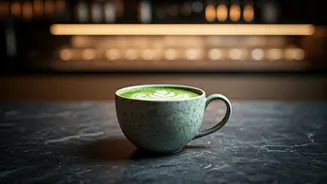
In stark contrast, Pune's newer cafes are designed for the digital age. In areas like Koregaon Park and Viman Nagar, a different kind of cafe culture is flourishing, one driven by social media. Establishments like The Sassy Spoon, Grandmama's Cafe, and Cafe Paashh focus on creating visually stunning experiences. Every detail, from the floral ceilings and pastel walls to the artful plating of matcha cheesecakes and colourful cocktails, is curated to be 'Instagram-worthy'. The goal is often to create a backdrop for the perfect photo or a 15-second Reel. This has led to a focus on aesthetics, with themed decor, unique lighting, and quirky artwork designed to attract online engagement and footfall. While they offer novelty and a feast for the eyes, the experience can sometimes feel performative, centered more on capturing the moment than living in it.
Connection vs. Content
The fundamental difference between these two worlds lies in their purpose. Old cafes were built for conversation and community. They are spaces where regulars are greeted by name, where newspapers are read cover-to-cover, and where time seems to slow down. The focus is on the simple pleasure of good food and unhurried company. The menu, often unchanged for decades, offers a comforting predictability—the mutton dhansak at Dorabjee & Sons (est. 1878) or the chicken sandwiches at Marzorin (est. 1965) taste the same as they did years ago. In contrast, modern cafes often function as hybrid spaces, blending physical and digital interaction. Patrons are frequently seen through the lens of a smartphone, and conversations can be fragmented by the quest for the perfect shot. While these new spots offer a platform for digital self-expression, the experience can lack the deep-rooted sense of place that defines their older counterparts.
Why Authenticity Endures
The enduring popularity of Pune’s old cafes suggests a deeper craving for authenticity in an increasingly digital world. These establishments offer more than just food; they provide a tangible link to the city's past. Places like Goodluck or Vohuman are repositories of stories, having served generations of the same families. Their legacy is built on human connection, consistent quality, and a welcoming atmosphere that requires no filter. The new, aesthetically-driven cafes are exciting and reflect modern trends, but they often cater to a fleeting desire for novelty. The charm of an old cafe is its steadfastness. It doesn’t need to trend on Instagram because its reputation is built on decades of lived experience. In the contest between a fleeting Reel and a lasting memory, Pune’s residents often seem to choose the latter, proving that some things are too soulful to be captured in a fleeting digital frame.