






Myth: You Need Protein Powder to Build Muscle
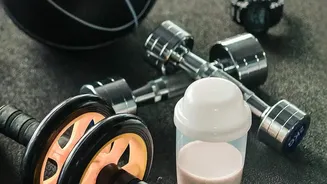
This is one of the biggest misconceptions. While protein is essential for repairing and building muscle tissue after exercise, protein powder is not a mandatory ingredient for success. It is a convenient supplement, but you can absolutely meet your daily
protein needs through whole food sources like lean meats, eggs, dairy, and legumes. Protein powders offer a practical way to ensure you're getting enough protein, especially for athletes or those with busy lifestyles, but they are a tool, not a requirement. The real key to muscle growth is a combination of consistent resistance training and meeting your total daily protein goals, whether from food or a shake.
Myth: You Must Drink a Shake Immediately After a Workout
The idea of a rigid 30-minute 'anabolic window' post-exercise has been widely popularised, creating a frantic rush to chug a shake. However, modern research shows this window is much wider than we thought, lasting for several hours. While consuming protein after a workout is beneficial for recovery, studies show that total daily protein intake is far more critical for muscle growth than precise timing. For the average gym-goer, focusing on evenly distributing your protein intake throughout the day is a more effective strategy than stressing over a 30-minute deadline.
Myth: Protein Powder Will Make You Bulky
Many people, particularly women, avoid protein powder out of fear it will lead to unwanted bulkiness. This is physiologically difficult, as women have significantly lower levels of testosterone, a key hormone for muscle gain. Protein itself doesn't create bulk; it supports muscle repair. Gaining significant muscle mass requires a specific, intense weight training regimen combined with consuming more calories than your body burns. Simply adding a protein shake to a balanced diet will not automatically make you bulky, but it will help your muscles recover and support your overall protein needs.
Myth: More Protein Always Means More Muscle
If a little protein is good, a lot must be better, right? Not exactly. Your body has a limit to how much protein it can use for muscle synthesis at one time. Most research suggests that for active individuals, the optimal range is around 1.6 to 2.2 grams of protein per kilogram of body weight per day. Consuming excessive amounts beyond this range provides no additional muscle-building benefit. The excess protein is simply converted and used for energy or stored as fat, which can put unnecessary strain on your wallet.
Myth: Protein Powder Is Bad for Your Kidneys
This is perhaps one of the most persistent and concerning myths, but for individuals with healthy kidneys, it is not supported by scientific evidence. Healthy kidneys are well-equipped to filter the byproducts of protein metabolism. Numerous studies have failed to find a link between high protein intake and kidney damage in healthy people. However, this advice does not apply to those with pre-existing kidney disease. Individuals with compromised kidney function should consult a doctor before increasing their protein intake, as their kidneys may not be able to handle the extra load.