





The Accidental Urban Safari
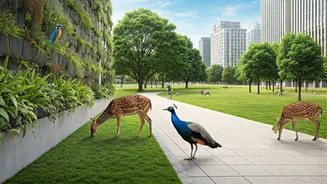
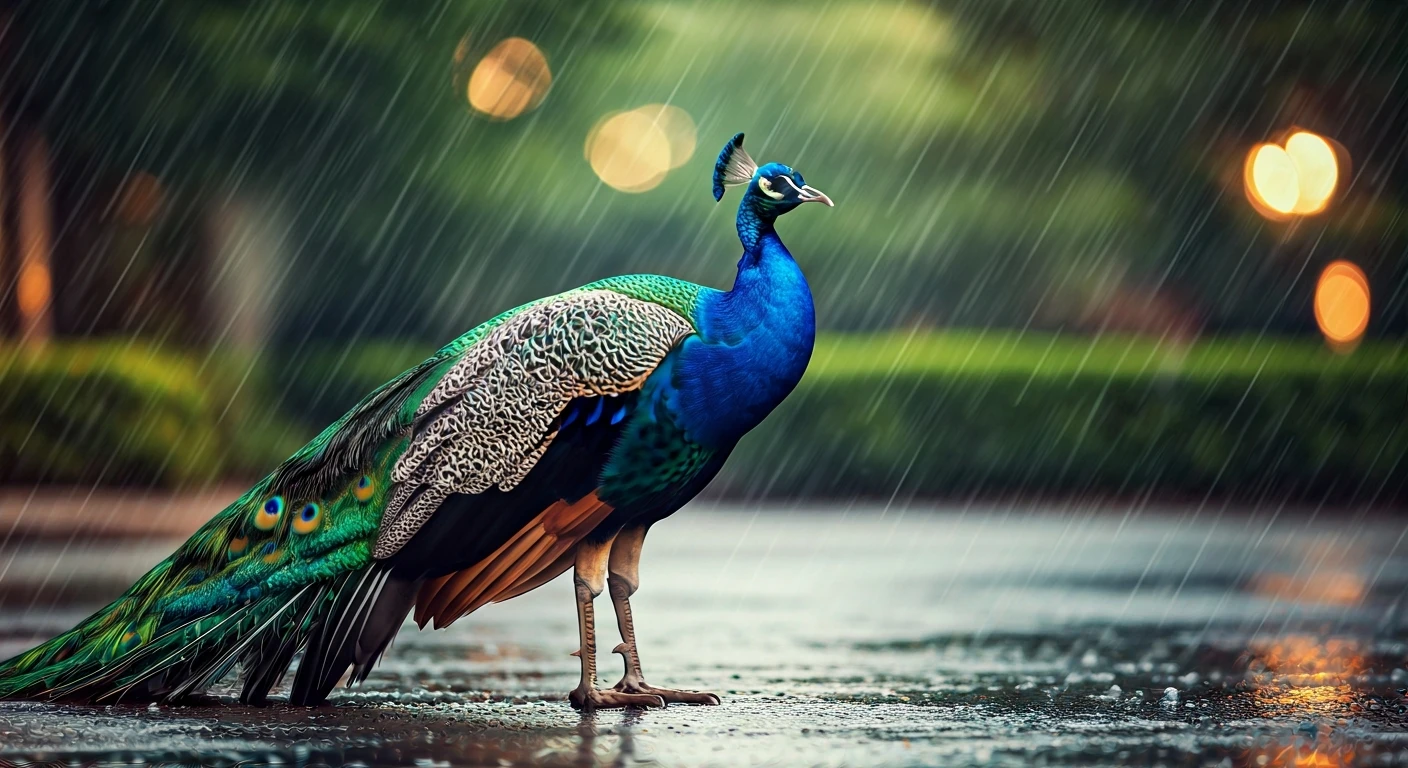
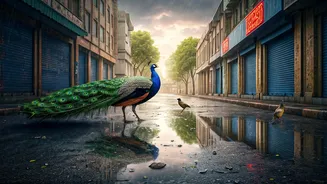
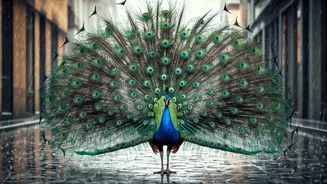
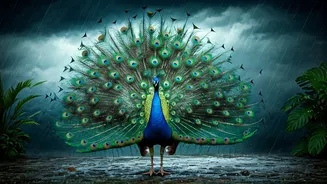
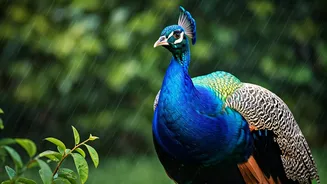
It has become a familiar, heartwarming genre of social media post: a drenched peacock navigating a busy Mumbai street, a family of monkeys huddled under an awning, or even a stray dog gleefully splashing in a newly formed puddle. These moments, captured
on smartphones and shared in an instant, are more than just cute diversions. They are a form of collective digital sigh, a shared experience of finding beauty and amusement in the mundane. The rain, often a disruptor of urban life, becomes a catalyst for connection. It washes the city clean and, for a brief period, blurs the lines between our concrete world and the natural one that persists within it. These clips and photos serve as micro-documentaries of resilience and adaptation—both the animals' and our own.
A Digital Dose of Calm
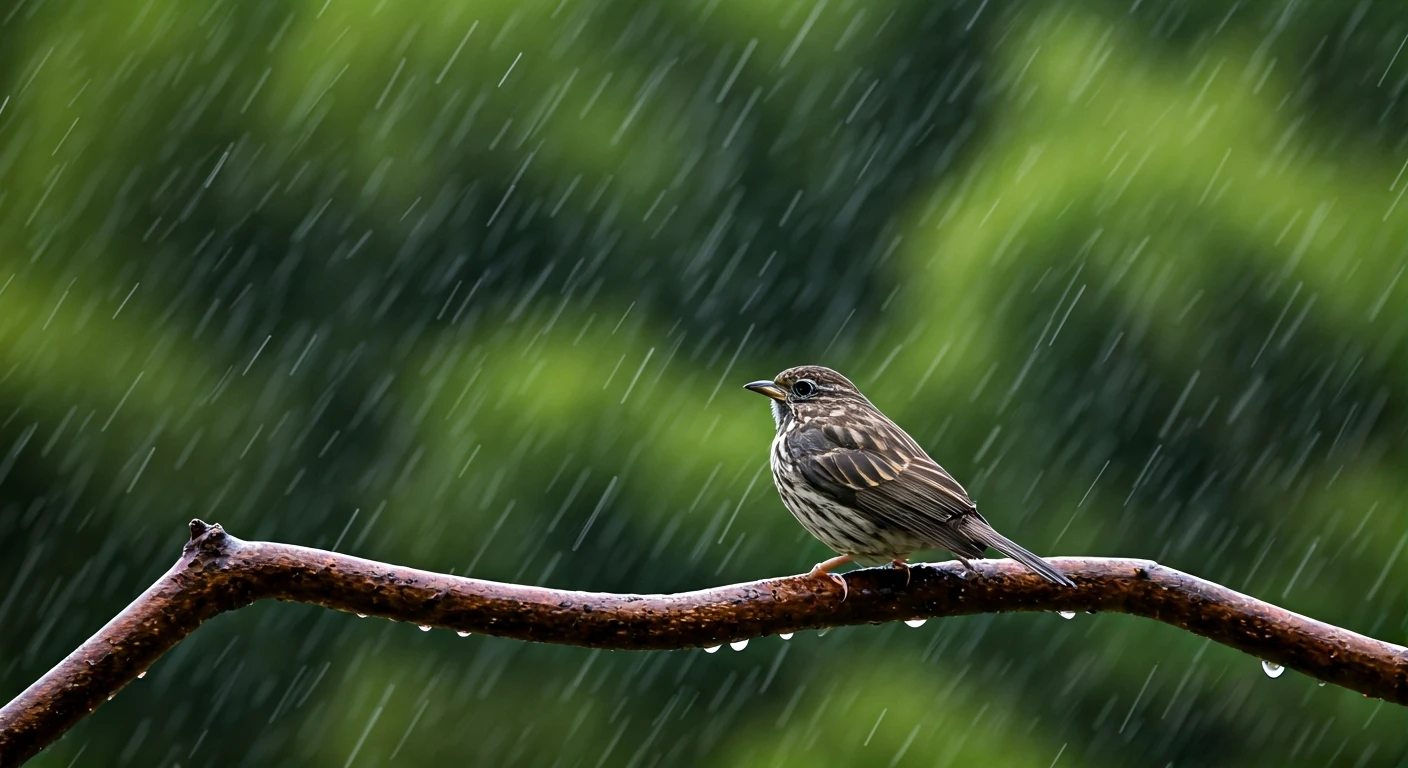
This phenomenon taps directly into the growing trend of "comfort content"—media we consume for its soothing, predictable, and emotionally reassuring qualities. In a world of constant stimulation and anxiety, watching a bird shelter from a downpour offers a moment of low-stakes, universally understandable narrative. It demands nothing from us but to observe. Psychologists suggest that such interactions with animals, even through a screen, can reduce stress, lower blood pressure, and boost our mood by triggering the release of hormones like oxytocin and serotonin. It’s a form of mental self-care, a brief escape into a simpler, more elemental story. The appeal isn't just the animal itself, but the atmosphere of calm and focus it provides amidst the chaos of a storm and the noise of our digital lives.
An Innate Need for Nature
At its core, our fascination with a rain-soaked sparrow or a glistening snail is an expression of what biologist E.O. Wilson called "biophilia"—our innate human tendency to connect with nature. For the vast majority of human history, we lived in close proximity to the natural world. Our modern urban environments, in contrast, often isolate us from it. This disconnect can have tangible effects on our well-being. Therefore, when nature makes a dramatic entrance, as it does during a monsoon downpour, it captures our attention profoundly. These urban wildlife sightings are a powerful reminder that we are not separate from the ecosystem, but a part of it. They fulfil a deep-seated need to affiliate with other forms of life, offering a surprising intrusion of joy and wildness into our highly structured routines.
The Monsoon's Special Magic
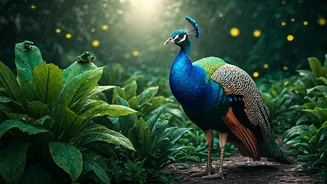
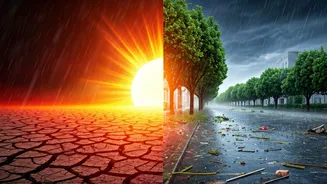
In India, the monsoon has always been more than just a weather event; it is a cultural and emotional season. It signals renewal, relief from scorching heat, and a burst of life. This cultural framing makes the appearance of wildlife during this time feel even more significant. Peacocks, intrinsically linked with rain in folklore and art, appearing on city streets feels almost magical. While many national parks may close or have limited access during the monsoon, the city itself becomes a temporary, accessible sanctuary. The rain forces animals from their usual hiding spots into plain view, offering city dwellers a rare, front-row seat to the daily lives of their non-human neighbours. These shared sightings, amplified online, strengthen community bonds through a mutual appreciation for the city’s hidden biodiversity.