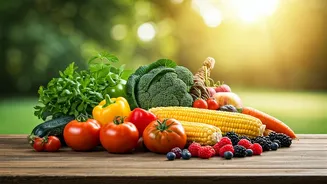




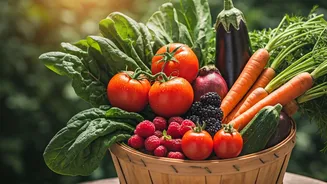
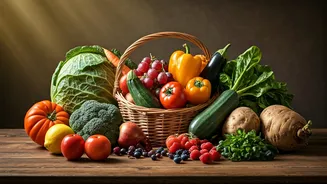


What Is Seasonal Eating, Really?
At its heart, seasonal eating is a simple, intuitive concept: it’s about choosing to eat foods that are naturally harvested at the time of year you are in. Before global shipping and refrigerated trucks, this was how everyone ate. Your grandmother’s wisdom
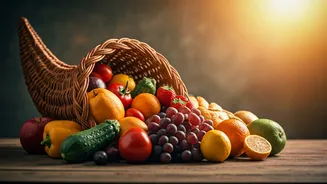
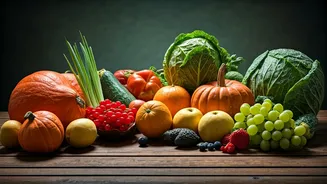
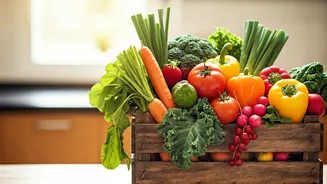
about certain foods being ‘heating’ or ‘cooling’ is rooted in this principle. It’s about eating *gajar* (carrots) and *sarson da saag* (mustard greens) in the winter, and watermelon and cucumber in the summer. This isn't a restrictive diet with complicated rules. Instead, it’s a gentle return to a more natural cycle, aligning your plate with the rhythms of the land around you.
Peak Flavour and Peak Nutrition
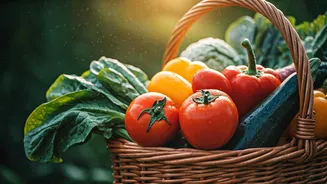
Produce that is picked in its natural season, at the peak of its ripeness, simply tastes better. A winter tomato, grown in a greenhouse and shipped from afar, can't compare to a sun-ripened summer one bursting with flavour. The same goes for nutrition. When fruits and vegetables are allowed to mature fully on the plant, they develop a more complete profile of vitamins, minerals, and antioxidants. Studies have shown that some produce, like broccoli, can have significantly higher levels of Vitamin C when harvested in its correct season. By eating seasonally, you’re not just getting better flavour; you’re giving your body the most potent dose of nutrients possible.
A Kinder Approach for Your Wallet
One of the most practical benefits of seasonal eating is its effect on your grocery budget. The basic laws of supply and demand are at play here. When a fruit or vegetable is in season, it's abundant. Local farmers have a surplus of it, and you’ll see it piled high at your local *sabzi mandi* or supermarket. This abundance drives the price down. Conversely, buying produce out of season means you are paying for the cost of transportation, storage, and the artificial conditions needed to grow it. Opting for seasonal produce like spinach in winter and *bhindi* (okra) in summer is a simple strategy to eat fresh, healthy food without stretching your budget.
An Eco-Friendly Food Philosophy
Your food choices have a significant environmental footprint. Eating seasonally, especially when you buy locally, helps reduce that impact. Out-of-season produce often travels thousands of kilometres—what we call ‘food miles’—to reach your plate, burning fossil fuels along the way. It may also require energy-intensive greenhouses, artificial lighting, and more pesticides and waxes to keep it looking fresh. By contrast, seasonal, local produce supports a more sustainable food system. It requires less energy to grow and transport, reduces your carbon footprint, and encourages farming practices that are in harmony with the local environment.
How to Start Your Seasonal Journey
Transitioning to seasonal eating doesn't have to be overwhelming. Start small. The best place to begin is your local market. Observe what's plentiful and cheap—that's a clear sign of what’s in season. Talk to the vendors; they are a treasure trove of information and can tell you what’s fresh and how to cook it. Challenge yourself to try one new seasonal vegetable or fruit each week. A simple online search for “seasonal produce in India” will give you charts for your region. Embrace the variety. Instead of eating the same few vegetables year-round, you’ll discover a whole new world of flavours that change with the calendar, making cooking and eating a more creative and exciting experience.