


From 'If' to 'Where': The New Focus
For years, the standoff between the United States and Iran was a war of words, sanctions, and proxy battles. Now, the conversation in news reports and analytical pieces has decisively turned to geography. Following a US-Israeli attack on Iran in February
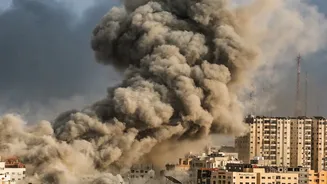
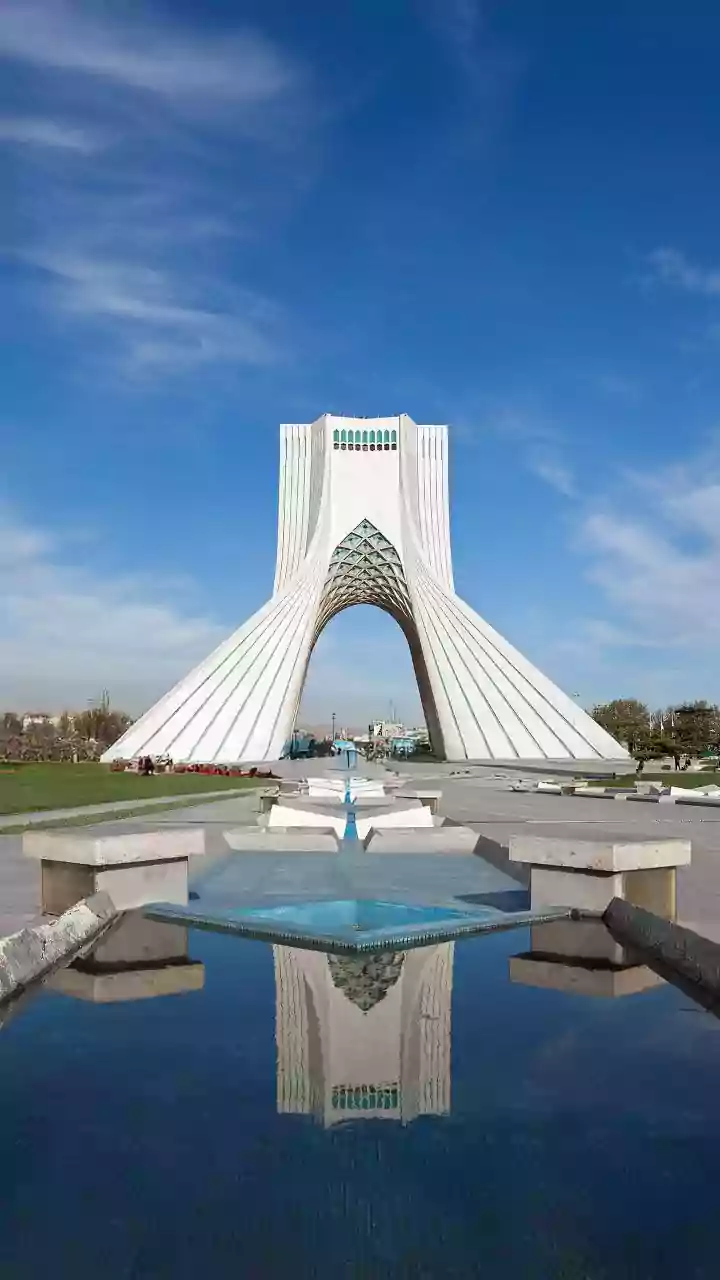
2026 and subsequent Iranian retaliations, the focus is less on whether a direct conflict will happen and more on where it is already unfolding. Recent Iranian attacks have targeted over two dozen sites with US equipment, making the map of the Middle East a chessboard of active military engagement. This shift means that the placement of air bases, naval fleets, and missile sites is no longer just of interest to generals; it is now central to understanding the daily risks of escalation.
Iran's Strategic Depth and Asymmetric Edge
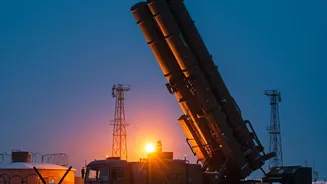
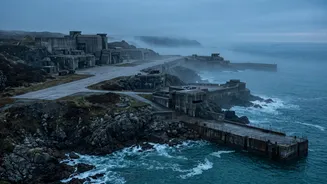
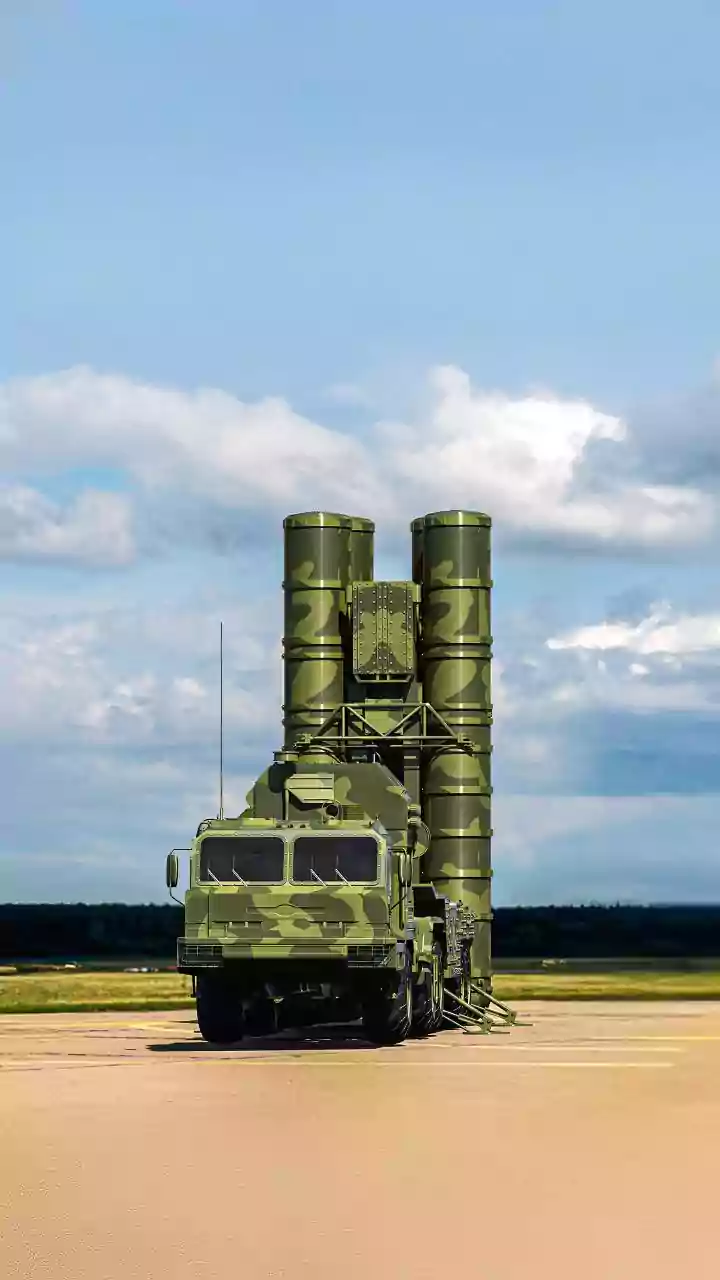
Iran's military strategy leverages its geography for defense and deterrence. Key to its approach are its ballistic missile program and its ability to threaten maritime traffic in the Strait of Hormuz. Iran's retaliatory strikes have often targeted what it perceives as launch points for US operations, including facilities in neighboring countries. Its own key sites include fortified underground nuclear facilities at locations like Fordow and Natanz, designed to withstand air strikes. Furthermore, Iran's Islamic Revolutionary Guard Corps (IRGC) has naval bases along the Persian Gulf coast, including on Qeshm Island, placing it in a prime position to disrupt shipping or launch fast-attack craft and drones. This geographic advantage allows Iran to pursue a strategy of 'calibrated escalation', aiming to raise the economic and military costs for its adversaries.
America's 'Arc of Influence'
The United States maintains a significant military footprint across the Middle East, with between 40,000 and 50,000 personnel stationed in an arc from Jordan to Oman. Several key bases form the backbone of its regional power projection. Al Udeid Air Base in Qatar is a massive hub, hosting over 10,000 personnel. Ali Al Salem Air Base in Kuwait serves as a crucial logistics center. Most critically, Naval Support Activity Bahrain is the headquarters for the US Navy's Fifth Fleet, responsible for securing some of the world's most vital sea lanes. However, the recent conflict has shown the vulnerability of these forward bases, with Iranian strikes causing significant damage in Bahrain and Kuwait, forcing the US to reassess its force posture in the region.
The Strait of Hormuz: A Global Chokepoint
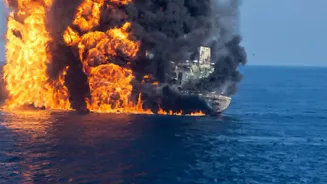
No geographical feature is more critical to this conflict than the Strait of Hormuz. This narrow waterway is the conduit for approximately 20% of the world's petroleum. Since the conflict intensified in early 2026, Iran has repeatedly attempted to control or close the strait, using mines, naval harassment, and drone swarms to attack tankers. This has severely disrupted global energy markets. The US and its allies have responded with naval escorts and counter-blockades to ensure freedom of navigation. The geography of the strait, with Iran controlling its northern coast, gives Tehran a powerful lever to exert international pressure. The waters have become a stage for direct, repeated confrontations, with US forces striking Iranian assets on islands in the strait in response to attacks on shipping and allied bases.