



The Monsoon's Secret Pantry
As the skies open up and the land sighs in relief, a different kind of magic unfolds in our local vegetable markets. The familiar summer gourds and mangoes make way for a new cast of characters—earthy, vibrant, and often fleeting. This is the monsoon's
secret pantry, a collection of produce that thrives in the damp, cool weather. These aren't just ingredients; they are a direct link to the season's rhythm. For generations, Indian households have intuitively followed this natural calendar, understanding that what grows together, goes together. This shift isn't arbitrary. The rainy season brings a specific set of challenges for our bodies—lower immunity, sluggish digestion—and nature provides the perfect antidote in the form of these seasonal heroes, which are often lighter and easier to digest.
Meet The Spiny Gourd
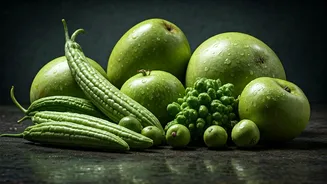
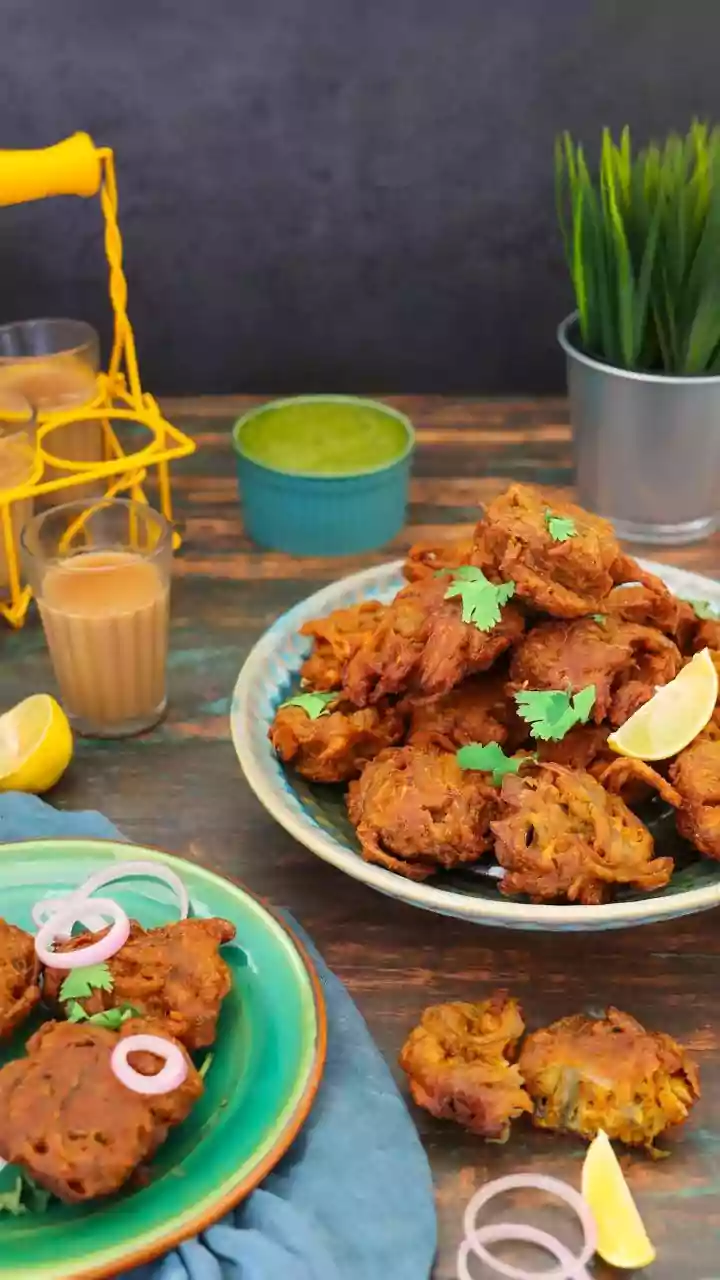
Leading the charge is the humble but mighty Kantola, or spiny gourd. Looking like a miniature, green, spiky jewel, this vegetable is a monsoon superstar. Often overlooked, it’s now gaining a reputation among health-conscious foodies. Traditionally valued in Ayurveda for its protein content and ability to aid digestion, Kantola is incredibly versatile. Its crisp texture holds up beautifully in simple stir-fries with mustard seeds and turmeric, or it can be sliced, coated in gram flour, and shallow-fried into delicious, crunchy fritters that rival any pakora. Its slightly bitter notes are a perfect counterpoint to the season’s rich flavours, making it a sophisticated addition to the rainy-day menu. Finding it at your local sabzi wala feels like discovering a seasonal secret.
The Foraged and The Found
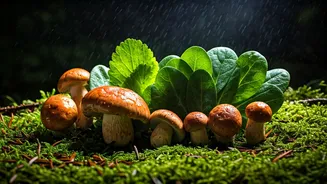
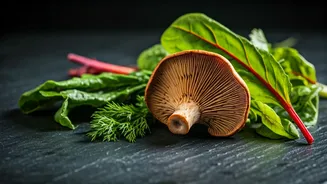
The monsoon is also the season of foraging, where treasures emerge from the wet earth. Think of the large, velvety leaves of the Colocasia plant (arbi ke patte), which are meticulously rolled with a spiced gram-flour paste to create the iconic patra or alu vadi. This dish is a labour of love, a testament to the slow, patient cooking that the weather inspires. Then there are the wild mushrooms, which pop up in forested areas and find their way into tribal and rural cuisines. These are not your standard button mushrooms; they are intensely flavourful, with an earthy umami that speaks of the forest floor. Similarly, red spinach (laal saag) makes a dramatic appearance, its deep crimson hue a promise of iron and antioxidants, perfect for a simple stir-fry or added to dal for a nutritional boost.
Sweet, Sour, and Stained Fingers
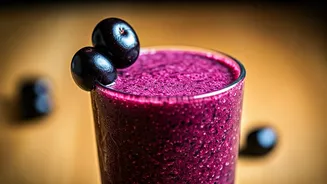
The rain’s arrival doesn’t just mean new vegetables; it also brings a specific kind of fruit. The undisputed king is the Jamun (black plum). Its deep purple hue, which stains fingers and tongues alike, is the colour of the monsoon sky at dusk. The fruit’s unique sweet, sour, and astringent taste is the flavour of childhood for many Indians, often eaten with a pinch of black salt. Beyond nostalgia, Jamun is celebrated for its health benefits, particularly in managing blood sugar levels. Alongside it, you might find juicy plums and peaches, their vibrant flavours a bright contrast to the grey skies. These fruits aren't just for eating raw; they are perfect for making chutneys, jams, and seasonal desserts that capture the essence of the monsoon in a bottle.
A Modern Culinary Revival
This renewed interest in seasonal ingredients is more than just a nod to tradition. It's a conscious, modern movement. Chefs in high-end restaurants are creating tasting menus centred around these forgotten greens and vegetables, introducing them to a new generation of diners. Home cooks, empowered by social media, are sharing recipes and tips, creating a digital community around the joy of discovering and cooking with produce like Indian jujubes (ber) or water chestnuts (singhara). This revival is driven by a desire for sustainability, a curiosity about local food systems, and a deeper appreciation for the health benefits of eating seasonally. It’s a delicious form of activism, where choosing a bunch of Kantola over an imported avocado becomes a statement of cultural and environmental pride.