


Your First Line of Defence: Waterproof Gear
The single most important factor for a comfortable monsoon trek is staying dry. Investing in reliable waterproof gear is non-negotiable. Start with a high-quality hardshell jacket and rain pants; look for items with taped seams to prevent water from seeping
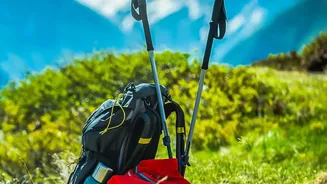
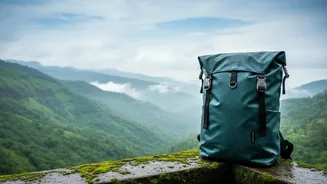
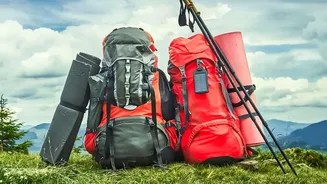
through. A poncho offers excellent coverage for both you and your backpack, but it can be cumbersome in windy conditions. Equally crucial is your backpack's rain cover. Even if a pack claims to be water-resistant, prolonged exposure to rain will saturate it. For an extra layer of protection, line the inside of your pack with a large plastic bag and use smaller dry bags or zip-lock bags for sensitive items like electronics, a first-aid kit, and extra clothing.
Footwear, Grip, and Avoiding Slips
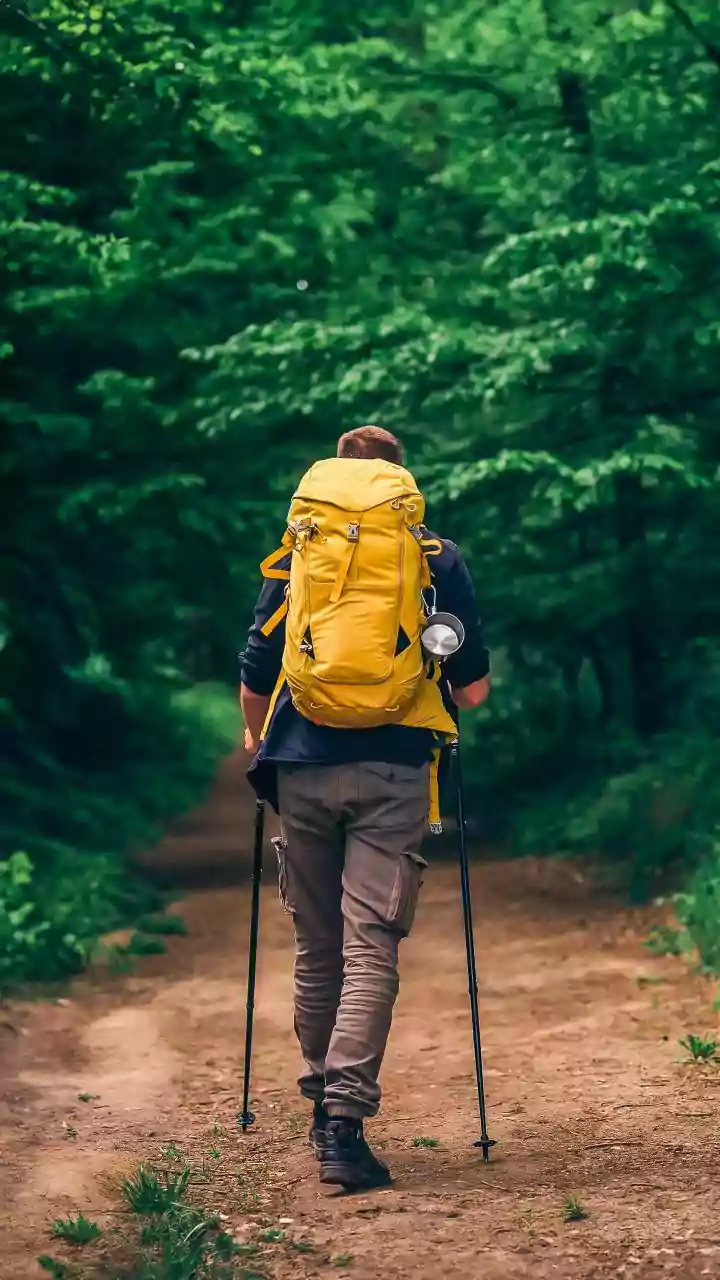
Monsoon treks mean dealing with slippery rocks, muddy slopes, and moss-covered paths. Your choice of footwear is critical for stability and safety. Opt for high-ankle trekking shoes with deep grooves for superior grip. While waterproof shoes sound ideal, some experienced trekkers prefer water-resistant, quick-drying shoes that allow feet to breathe and prevent sweat from getting trapped. Whatever you choose, avoid brand-new shoes that aren’t broken in. Pair them with synthetic, quick-dry socks and always carry an extra pair. Cotton socks should be avoided at all costs, as they absorb water, lose insulation, and can cause painful blisters. Trekking poles are also highly recommended; they provide two extra points of contact with the ground, significantly improving balance on treacherous terrain.
Plan Your Trek, Check the Forecast
Spontaneity has its place, but not on a monsoon trek. Before you even think about packing, research your trail. Some routes, especially those in narrow gullies or with multiple water crossings, become extremely dangerous and should be avoided during heavy rains. Always check the weather forecast from reliable sources like the India Meteorological Department (IMD) right up until you leave. Be aware that mountain weather can change in an instant; a clear morning can quickly turn into a stormy afternoon. Start your trek early to give yourself the best chance of finishing before afternoon downpours begin. Most importantly, always inform someone of your detailed itinerary and your expected time of return.
On-Trail Strategy: Navigating the Wet
Once you're on the trail, a different mindset is required. Slow your pace. Every step on a wet surface needs to be deliberate. When crossing streams, assess the water's depth and speed. If a crossing looks risky, with fast-flowing or muddy water, do not attempt it. It is always better to turn back. Be particularly wary of flash floods. A storm many kilometres away can send a sudden surge of water down a dry wash or stream bed. If you hear a distant roar or notice the water level rising suddenly, move to higher ground immediately. Leeches are a common nuisance on monsoon trails. They are generally harmless, but wearing leech-proof socks or tucking your pants into your socks can help keep them at bay.
Recognising the Real Dangers
While slips and falls are common, the most severe dangers of monsoon trekking are hypothermia, landslides, and lightning. Hypothermia, a dangerous drop in body temperature, can occur even in cool, not cold, temperatures if you are wet and exhausted. If you or a fellow trekker starts shivering uncontrollably, slurring speech, or seems confused, seek shelter and replace wet clothes with dry ones immediately. Be aware of your surroundings, especially in landslide-prone areas often marked by treeless slopes or recent rockfall. Avoid taking shelter under lone tall trees during a thunderstorm, as they are natural lightning rods. Instead, find a low-lying area or a dense patch of smaller trees.