



The Kitchen as a Public Health Tool
The most direct benefit of teaching people to cook is the profound impact on public health. When you prepare your own meals, you control the ingredients. This simple fact is a powerful weapon against the rising tide of chronic diseases. Restaurant and
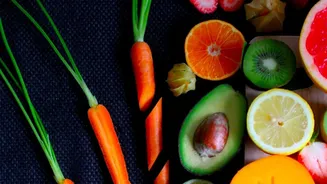
processed foods are often laden with excessive sodium, sugar, and unhealthy fats to maximise flavour and shelf life. Studies consistently show that people who cook frequently at home consume fewer calories, have healthier dietary patterns, and are at a lower risk of obesity and type 2 diabetes. Cooking from scratch naturally increases the intake of fresh vegetables, fruits, and whole grains, which are rich in essential nutrients and fibre. This leads to improved digestion, better heart health, and a stronger immune system. By empowering individuals with the skills to nourish themselves properly, we are making a direct, preventative investment in the nation's health, reducing the long-term burden on our healthcare system.
A Recipe for a Healthier Planet
The connection between home cooking and environmental health is less obvious but just as critical. The modern convenience food system comes with a heavy environmental price tag, characterised by excessive packaging, long supply chains, and significant energy consumption. Home cooking offers a direct way to counteract this. Preparing meals at home drastically reduces packaging waste, as ingredients are often bought with less wrapping than their ready-to-eat counterparts. Furthermore, it empowers individuals to combat food waste, a massive contributor to greenhouse gas emissions. Meal planning and using vegetable scraps creatively — skills fundamental to good cooking — mean less food ends up in landfills. While some studies show complex results, the general consensus is that home cooking, especially when focused on plant-rich diets and mindful consumption, has a smaller carbon footprint than relying on energy-intensive commercial kitchens and the ultra-processed food industry.
Rebuilding Cultural and Social Bonds
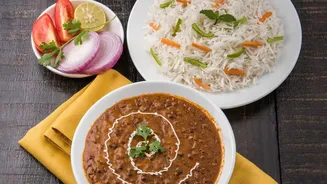
Beyond the tangible benefits to our bodies and planet, cooking is a vital thread in our social and cultural fabric. In India, the tradition of 'Ghar Ka Khana' (home-cooked food) is not just about nutrition; it's an act of love, a way to preserve heritage, and a reason for families to gather. When we cook, we connect with our history, passing down recipes and traditions from one generation to the next. The decline in cooking skills threatens to sever these important intergenerational bonds. The communal act of preparing and sharing a meal fosters communication, strengthens relationships, and builds a sense of belonging. In a fast-paced, individualistic world, the kitchen can be a sanctuary—a place for creativity, stress relief, and meaningful connection with loved ones. Revitalising this practice is essential for nurturing not just our physical health, but our mental and community well-being too.
The Missing Ingredient in Education
Given the clear benefits, the absence of cooking as a core life skill in our school curricula is a major oversight. Teaching children to cook is as fundamental as teaching them basic literacy or maths; it is a primary survival skill. Integrating culinary education into schools provides a practical application for subjects like chemistry, biology, and mathematics, making learning more engaging. It equips the next generation with the tools for a lifetime of healthy eating, reducing their risk of future diet-related illnesses. This is not about training every child to be a professional chef, but about imparting basic food literacy. A population that knows how to feed itself is more resilient, healthier, and less dependent on a volatile industrial food system. Investing in school kitchens and mandatory cooking classes is a long-term strategy for building a healthier, more sustainable, and more self-sufficient society.