





Why Your Gut Is More Vulnerable
The rainy season creates the perfect environment for bacteria and viruses to thrive. Water sources can become contaminated, and the high humidity makes it easier for germs to grow on fresh produce. Beyond external factors, our own bodies change. According
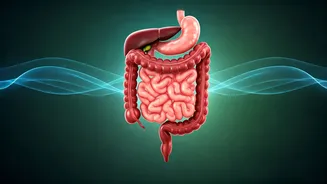
to both traditional wisdom and modern science, high humidity can slow down our metabolism and digestive processes. This makes our gut sluggish and more susceptible to issues like bloating, acidity, and infections. The goal of a monsoon diet isn't to be restrictive, but to support your digestive system when it's naturally under more stress.
Embrace Warm and Light Meals
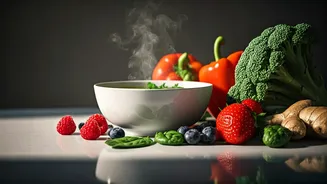
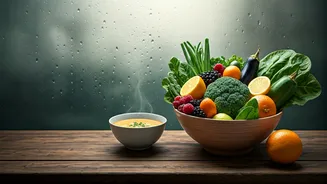
During the monsoon, your digestive fire, or 'agni' as it's known in Ayurveda, is weaker. Heavy, oily, and cold foods can extinguish this fire, leading to indigestion. The solution is to switch to meals that are warm, cooked, and easy to digest. Think of comforting soups, steamed vegetables, and light curries. A simple bowl of dal-khichdi is a perfect monsoon meal—it’s a balanced, protein-rich dish that's incredibly gentle on the stomach. Soups made from tomato, sweet corn, or mixed vegetables not only provide warmth but also help with hydration. Opting for lighter cooking oils and methods like steaming, grilling, or boiling instead of deep-frying can make a world of difference.
Be Smart About Fruits and Vegetables
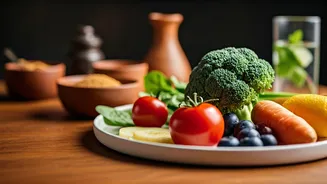
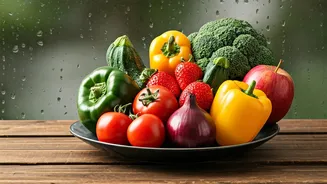
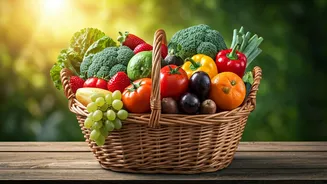
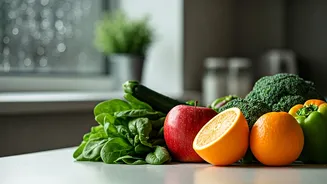
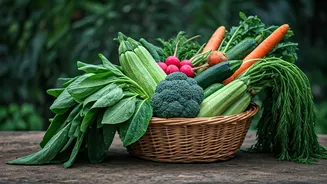
While fruits and vegetables are essential, you need to be cautious during the rains. Raw salads are best avoided, as the uncooked greens can harbour germs. If you must have leafy vegetables like spinach or cabbage, make sure they are thoroughly washed in clean water (perhaps with a drop of vinegar) and cooked well. Root vegetables and gourds like lauki (bottle gourd), turai (ridge gourd), and pumpkin are excellent choices as they are easy to digest and packed with nutrients. When it comes to fruits, choose seasonal options like apples, pomegranates, and pears. It's best to avoid pre-cut fruits from vendors, as they are highly susceptible to contamination. Wash all fruits well and consume them fresh.
Harness the Power of Spices and Probiotics
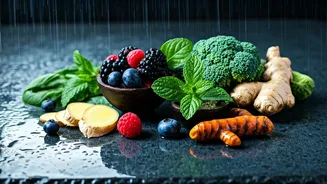
Indian kitchens are a treasure trove of digestive aids. Spices don't just add flavour; they have powerful medicinal properties. Incorporating ginger, garlic, turmeric, asafoetida (hing), and black pepper into your cooking can boost your immunity and aid digestion. A cup of herbal tea with ginger and tulsi can soothe an upset stomach and fight off cold-causing germs. Alongside spices, probiotics are your gut's best friend. A small bowl of homemade dahi (yogurt) with your lunch can introduce healthy bacteria into your digestive system, improving gut health and strengthening your body’s defences against harmful pathogens.
Foods to Limit or Avoid
Knowing what not to eat is just as important. First on the list is street food, especially items like chaat and golgappas that use unverified water sources. Deep-fried snacks like pakoras and samosas, while tempting in the rainy weather, are heavy and can overwhelm your digestive system. It's also wise to be cautious with seafood. The monsoon is the breeding season for many fish, and the risk of contamination is higher. If you do eat fish, ensure it is extremely fresh and cooked thoroughly. Finally, try to reduce your intake of fizzy drinks and instead opt for warm water, herbal teas, or clear soups to stay hydrated and support your digestive health.