






The Desk Worker's Dilemma
If you spend your days at a desk, you know the feeling all too well. It often starts in the early afternoon as a dull pressure in your neck and shoulders, slowly creeping up to feel like a tight band squeezing your head. This is the classic tension headache,
the most common type of headache experienced by adults, with office workers being especially vulnerable. The modern workplace, with its prolonged screen time and static postures, creates a perfect storm for this kind of discomfort. When you sit for hours, often with your head pushed slightly forward to see a screen, the muscles in your neck and upper back are under constant strain. This sustained muscle contraction, combined with factors like workplace stress and even poor lighting, can lead to chronic headaches that sap your productivity and well-being.
What Are Isometric Exercises?
The solution might sound complex, but it's deceptively simple: isometric exercises. The term "isometric" refers to a type of muscle contraction where the muscle tenses up, but doesn't actually change length. Think of pushing against an immovable wall; your muscles are working hard, but your arm isn't moving. Applying this concept to the neck provides a safe and highly effective way to build strength. Unlike dynamic movements that involve a full range of motion, isometrics allow you to strengthen the deep stabilizing muscles of the neck without putting stress on the joints. This is crucial for the delicate cervical spine. By strengthening these muscles, you improve your body's ability to maintain proper posture naturally, reducing the strain that causes headaches in the first place.
Your Four-Step Daily Routine
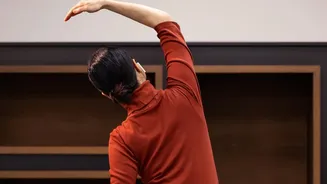
Performing these exercises takes only a few minutes and can be done right at your desk. The goal is to gently resist your own movement. Start by sitting or standing tall with your spine in a neutral, comfortable position. 1. Forward Press: Place the palm of your hand on your forehead. Gently press your head forward into your hand, while your hand provides equal resistance to prevent your head from moving. 2. Backward Press: Clasp your hands behind your head. Gently press your head backward into your hands, while your hands resist the motion. 3. Right Side Press: Place your right hand on the right side of your head. Gently press your head into your hand, as if trying to touch your ear to your shoulder, while your hand provides resistance. 4. Left Side Press: Place your left hand on the left side of your head and repeat the same motion on the opposite side. For each direction, hold the contraction for 5 to 10 seconds, then relax. Breathe normally throughout the exercise. Aim to complete a few repetitions for each direction.
Why Consistency Is Everything
Like any form of exercise, the benefits of neck isometrics come from consistency. A single session might provide some temporary relief, but the real magic happens when you make it a daily habit. Studies have shown that long-term strengthening and endurance training of the neck muscles are effective treatments for chronic neck pain and associated headaches. In one 12-month study involving female office workers, a group performing strength exercises (including isometrics) saw their headache intensity decrease by 69%. By incorporating these simple presses into your daily work routine—perhaps during a coffee break or while waiting for a document to load—you are proactively building resilience. Over time, stronger neck muscles will better support your head, correcting the forward-head posture that is a primary culprit of tension headaches. This proactive approach can lead to a significant long-term reduction in headache frequency and severity.