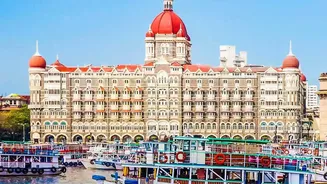


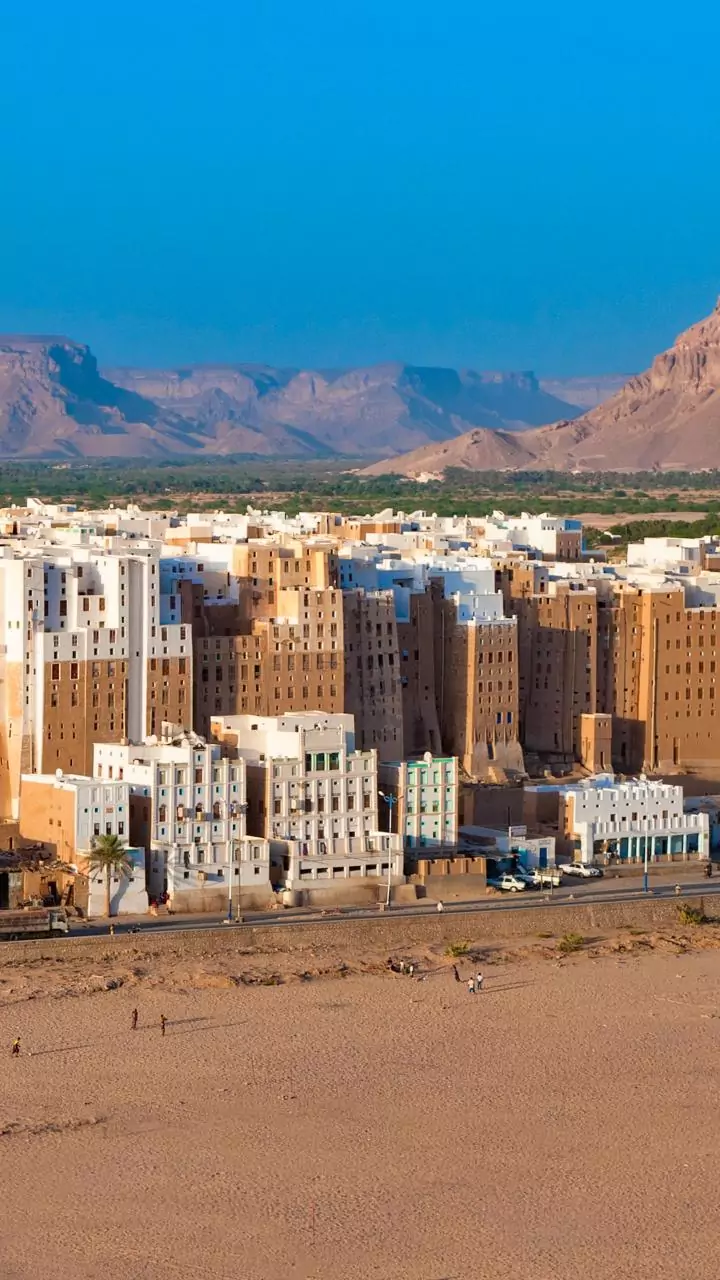



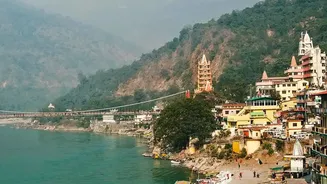
The great Indian annual vacation, a long-planned, week-long affair, is getting a modern makeover. Increasingly, travellers are swapping this single large holiday for several shorter, more frequent 'micro-vacations'. What's driving this big shift?
The New Economics of Travel
One of
the most significant drivers of this trend is simple economics. Spreading travel expenses across several smaller trips is often more manageable than saving for one large, costly holiday. A weekend trip can be planned with a much smaller budget, making travel more accessible to a wider range of people, including young professionals and middle-class families. This 'holiday snacking' approach allows for regular breaks without a major financial commitment. Furthermore, with the rising costs of international travel due to a weaker rupee and geopolitical uncertainties, domestic destinations have become more attractive. Many find that shorter, more luxurious domestic stays offer better value and a premium experience without the hefty price tag of a trip abroad.
Work-Life Integration Replaces Balance
The post-pandemic era has normalised remote and hybrid work models, fundamentally changing the relationship between work and leisure. This flexibility allows professionals to blend travel with work, a concept often called a 'workation' or 'bleisure' trip. An employee might work remotely on a Friday and a Monday, turning a standard weekend into a four-day escape without dipping into their limited annual leave. This integration is a key reason why the line between a work week and a vacation is blurring, making spontaneous trips easier to plan and execute. Improved internet connectivity in even remote tourist spots has been a major enabler of this trend, allowing people to stay connected while enjoying a change of scenery.
The Quest for More Experiences
Today's travellers, particularly millennials and Gen Z, are driven by a desire for a diverse range of experiences rather than just visiting a destination. Why visit one place a year when you can explore four or five? Social media platforms fuel this desire, creating a constant stream of inspiration for new, 'insta-worthy' places to discover. This has led to a shift away from 'tick-box tourism' towards more immersive and frequent journeys. According to one report, 85% of Indian travellers plan to increase their number of trips per year from two to as many as four to six, using long weekends as the primary opportunity for these short getaways. This allows them to explore different cultures, cuisines, and landscapes throughout the year, from the hills of Himachal to the beaches of Gokarna.
Combating Burnout with Regular Resets
In today's fast paced, high pressure work environment, burnout has become a serious concern. Many now recognize that waiting an entire year for a single long holiday is not an effective way to manage stress. Instead, taking short, regular breaks every few months acts as a necessary 'reset button', helping to prevent mental exhaustion and maintain productivity. These micro vacations, typically lasting two to four days, are seen as essential for mental well being. The focus is less on frantic sightseeing and more on intentional downtime, whether it is a wellness retreat, a nature walk, or simply relaxing at a homestay. This shift prioritises genuine rest over a packed itinerary.
Improved Accessibility and Infrastructure
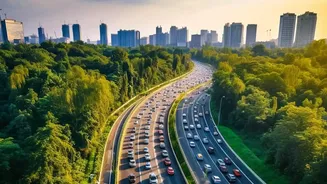
The growth of the micro vacation trend has been significantly supported by improvements in infrastructure. Better highways, the Vande Bharat train network, and the rise of budget airlines have reduced travel time and made previously remote destinations more accessible. The weekend getaway market around major metro cities like Delhi, Mumbai, and Bengaluru has matured, offering a wide variety of quality accommodations within a few hours drive. This convenience has made spontaneous travel more feasible, with reports showing that many domestic flight and hotel bookings are now made just days before departure. State tourism boards are also actively competing to attract these travellers by promoting new circuits and experiences beyond the traditional hotspots.