



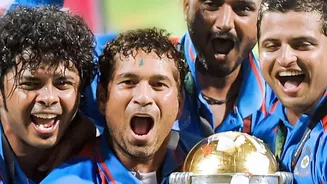
1. The 1983 World Cup Victory: The Birth of Belief
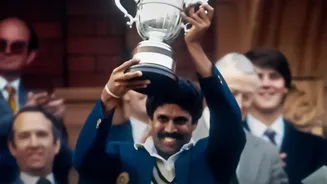
Before 1983, India was a minor power in world cricket, and hockey was arguably the nation's premier sport. That all changed at Lord's on June 25, 1983. Kapil Dev's underdog team faced the mighty West Indies, two-time defending champions who were considered
invincible. India was bowled out for a meager 183 runs, and the final seemed a foregone conclusion. But a spirited bowling and fielding performance saw the West Indies collapse for 140, handing India a victory that stunned the world. This win was the spark that lit the fire. It created a new generation of fans and inspired future legends like Sachin Tendulkar. As West Indies captain Clive Lloyd later admitted, the self-belief this victory gave Indian cricket was unparalleled and set the stage for its eventual rise as a superpower.
2. Sachin Tendulkar's Debut: A Nation Finds Its Hero
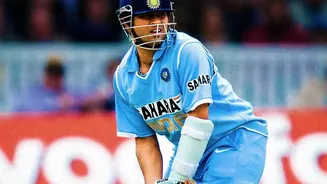
When a 16-year-old Sachin Tendulkar walked out to face Pakistan's fearsome pace attack in 1989, few could have predicted the dawn of a new era. For the next 24 years, Tendulkar didn't just play cricket; he became its single biggest icon. He was a unifying force in a diverse country, his presence at the crease becoming appointment viewing for a billion people. Tendulkar's career transformed the economics of the sport. His immense popularity drove a surge in television viewership and advertising revenue, turning the BCCI into a financial behemoth and making India the commercial heart of global cricket. He inspired a generation of cricketers, including future stars like Virat Kohli and MS Dhoni, who grew up idolizing his professionalism and relentless pursuit of excellence. His record of 100 international centuries is a testament to his longevity and unmatched skill.
3. The 2001 Kolkata Test: A New, Fearless India
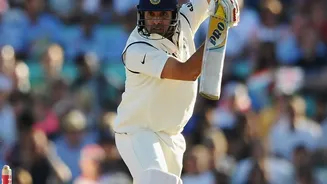
In March 2001, Indian cricket was at a low ebb, still reeling from a match-fixing scandal. Sourav Ganguly's new team was facing Steve Waugh's all-conquering Australian side, who were on a record streak of 16 consecutive Test wins. After a heavy defeat in the first Test, India was forced to follow-on at Eden Gardens in Kolkata, trailing by 274 runs. Defeat seemed certain. What followed was one of the greatest comebacks in sports history. VVS Laxman, promoted in the batting order, played a monumental innings of 281. He was supported by Rahul Dravid, who made a resilient 180, as the pair batted for an entire day. India declared and then, miraculously, bowled Australia out on the final day to win by 171 runs. The victory was more than just a win; it was a statement. It marked the birth of a new, aggressive Indian team that refused to be intimidated and believed it could win from any position.
4. The 2007 T20 World Cup: The Start of a Revolution
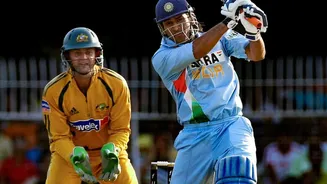
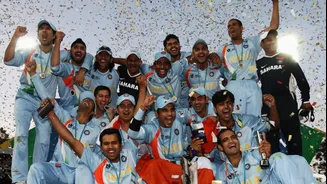
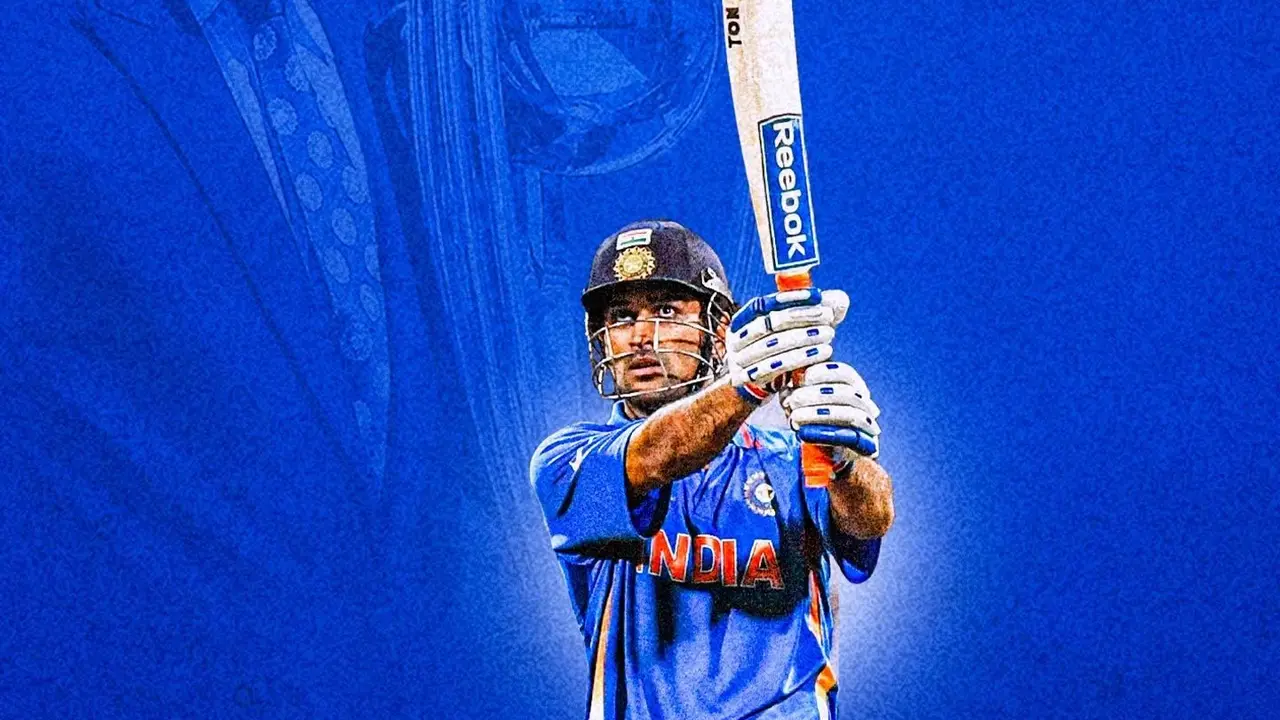
Coming off a humiliating exit from the 50-over World Cup earlier that year, expectations were low for the inaugural T20 World Cup in 2007. India sent a young team led by a new captain, MS Dhoni, with many senior players opting out. The format was still new and largely seen as a bit of fun. But this young team played with a fearless energy that captured the nation's imagination. The tournament culminated in a nail-biting final against arch-rivals Pakistan, with India clinching victory by just five runs in the last over. For a younger generation of fans, this was their '1983 moment'. The euphoric win not only made Dhoni a superstar but also made T20 cricket an overnight sensation in India, setting the perfect stage for what was to come next.
5. The Indian Premier League (IPL): Changing the Game Forever
Launched in 2008, the Indian Premier League was the direct and explosive consequence of the 2007 T20 World Cup triumph. The IPL merged cricket with entertainment, creating a high-octane, city-based franchise league that became an instant commercial success. It fundamentally altered the sport's global economy, making the BCCI the most powerful board in the world and creating unprecedented financial security for players from across the globe. The league also became a vital platform for nurturing young Indian talent, allowing uncapped players to learn from international legends in a high-pressure environment. The aggressive, innovative style of play developed in the IPL has had a ripple effect on international cricket, making all formats of the game faster and more result-oriented. Today, the IPL is one of the richest sports leagues in the world and has inspired numerous T20 leagues globally, cementing its status as a true game-changer.