






The Tale of Two Sugars
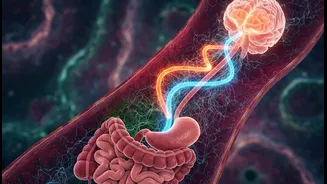
Recent research, published in the journal Neuron in June 2026, has shed new light on how our bodies might handle different sugars. Scientists studying mice discovered that glucose and fructose, two simple sugars with the same calorie count, send strikingly
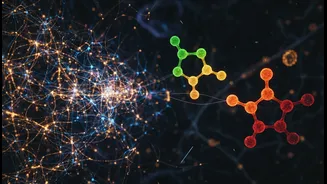
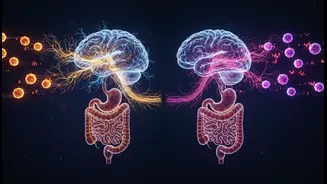
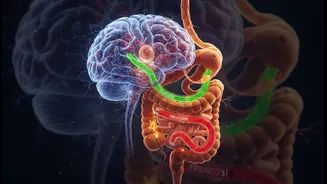
different signals from the gut to the brain. The study found that glucose strongly suppresses the activity of hunger-promoting brain cells called AgRP neurons. Fructose, on the other hand, only modestly quiets these same neurons through a completely separate pathway involving the vagus nerve. This suggests that, in mice at least, glucose is much more effective at telling the brain, “I’m full.” When the two sugars were combined to mimic high-fructose corn syrup, the mixture suppressed hunger signals more than fructose alone, which may help explain its appeal.
Why We Study Mice
Before we get too carried away, it’s important to understand why this kind of research is done in mice in the first place. Animals have been essential in nearly every major medical breakthrough, from developing insulin to pioneering cancer therapies. Rodents, particularly mice, are often used in the early stages of research because they are mammals that share a significant amount of genetic material with humans. Their short lifespans and rapid breeding cycles allow scientists to study multiple generations and the effects of diet or drugs over a lifetime in a compressed timeframe. These studies are crucial for gathering preliminary data, understanding biological mechanisms, and testing the safety of compounds before they can ever be considered for human trials. They provide invaluable clues that are impossible to get from experiments in a petri dish alone.
The 'Mice Aren't Men' Problem
Here’s the critical caveat: a successful animal trial does not guarantee the same result in people. In fact, a high percentage of drugs that appear safe and effective in animals fail during human clinical trials. There are fundamental physiological, metabolic, and even genetic differences between the species. For instance, the mass-specific metabolic rate of a mouse is about seven times higher than a human's. This means their cells process energy far more rapidly. Mice and humans also have different gut microbiomes, different complements of liver enzymes for processing compounds, and even differences in the fatty acid makeup of their cell membranes. These variations can lead to dramatic differences in how a drug or nutrient is absorbed, used, and cleared from the body. Corticosteroids, for example, can cause birth defects in many animals but not in humans.
Fructose and Glucose: A Human Story
The way humans process these two sugars is also unique. While every cell in the human body can use glucose for energy, fructose is metabolized almost entirely in the liver. When you consume glucose, it triggers a direct insulin response to help transport the sugar into your cells for energy. Fructose, however, doesn't immediately trigger this same insulin release. When consumed in large amounts, particularly from added sugars like high-fructose corn syrup, this can place a burden on the liver. The liver converts excess fructose into other forms, including triglycerides (a type of fat), which can contribute to metabolic issues over time if intake is chronically high. This metabolic pathway is distinct from glucose and is a key reason why nutrition experts advise limiting excessive intake of added fructose.
How to Be a Smarter Health News Reader
So, how should you react to the next big health headline? First, check the source and see if it was an animal or human study. Results from animal studies are preliminary and best viewed as interesting groundwork, not as a reason to overhaul your diet. Secondly, remember that single studies rarely provide definitive answers. Scientific consensus is built from many studies over time that point in the same direction. Look for context and be wary of sensational headlines that promise a miracle cure or condemn a single food. Reputable science reporting will mention a study's limitations and place the findings within the broader body of existing research.