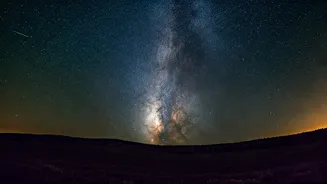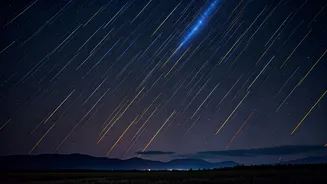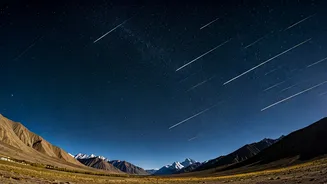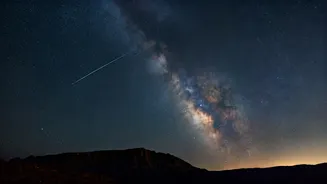


Find Your Darkness
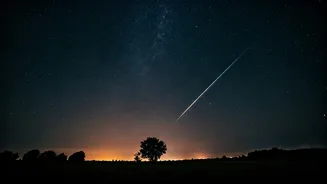
The most critical item on your checklist happens before you even pack the car. You need to escape the glare of city and suburban lights. Light pollution can turn a sky full of shooting stars into an empty-looking canvas. Use online tools like the International
Dark-Sky Association's 'Find a Dark Sky Place' map or other light pollution maps to locate a viewing spot designated as a 'Bortle Class 4' or lower. These maps colour-code areas based on skyglow, helping you find parks, rural roads, or designated reserves where the stars can truly shine. Plan a scouting trip during the day so you know the terrain and can find your spot safely in the dark.
Know When to Look
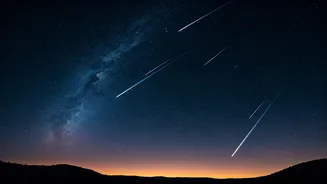
Timing is everything. First, check the calendar for major meteor showers. July and August bring the Delta Aquariids and the famous Perseids. The Delta Aquariids ramble along from mid-July to late August, while the Perseids—often the most popular shower of the year—are active from July 17 to August 24, peaking around August 12-13. Second, and just as important, check the phase of the moon. A bright full moon can wash out all but the brightest meteors. This year, the late-July peak of the Delta Aquariids will be hampered by a bright moon, but the Perseids' peak in August 2026 aligns perfectly with a new moon, promising ideal viewing conditions. The best viewing hours are typically after midnight and before dawn.
Gear Up (But Keep It Simple)
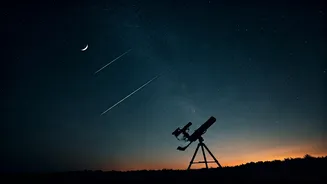
You don't need expensive equipment to enjoy a meteor shower. In fact, telescopes are a disadvantage because their narrow field of view means you'll miss most of the action. Your naked eyes are the best tool for the job. A pair of binoculars can be fun for scanning the Milky Way while you wait, but they aren't essential for meteors. The most crucial piece of gear is a red-filtered flashlight. Red light doesn't ruin your night vision the way white light does. You can buy one specifically made for astronomy or simply tape red cellophane over a regular torch.
Prioritise Comfort and Patience
Meteor watching is a waiting game, and you can't enjoy it if you're uncomfortable. Bring a reclining lawn chair or a thick blanket to lie on so you can look up without straining your neck. Even on a warm summer day, the temperature can drop significantly after dark. Dress in layers, and pack more than you think you'll need, including a hat and gloves. A thermos of a hot beverage like tea or cocoa is a classic stargazing companion for a reason. Pack some snacks and water to keep you going. Finally, bring patience. It takes about 20-30 minutes for your eyes to fully adapt to the darkness, and you won't see a meteor every minute.
Let Your Eyes Adapt
This might be the most overlooked step. When you first arrive at your dark site, your eyes, accustomed to bright lights, are not ready to see faint meteors. It takes time for your pupils to dilate and for your eyes to build up the light-sensitive chemicals needed for true night vision. This process is called dark adaptation, and it can take at least 20 to 30 minutes. During this time, you must avoid all white light. That means no checking your phone (unless it's in a red-light mode), no car headlights, and no bright flashlights. Once your eyes are adapted, you'll be amazed at how many more stars—and meteors—you can see.