







A Tradition Rooted in Divinity and History
In India, gold is not merely a precious metal; it’s considered sacred. Its significance is deeply embedded in mythology and religion, where it is associated with Goddess Lakshmi, the deity of wealth and prosperity. This divine connection makes gold an auspicious
element in nearly every significant life event, from birth ceremonies to weddings and festivals like Diwali, Dhanteras, and Akshaya Tritiya. Buying or gifting gold on these occasions is believed to invite divine blessings and unending fortune into the household. The metal's incorruptible nature—it doesn’t rust or tarnish—is seen as a metaphor for purity and permanence, making it the perfect token to mark new beginnings.
The Ultimate Financial Safety Net
Beyond its spiritual value, gold is the ultimate financial safety net for Indian families. For generations, it has served as a reliable, tangible asset that can be passed down or liquidated in times of need. Unlike other investments, gold has consistently held its value against inflation and economic uncertainty. Indian households are estimated to hold one of the largest private gold reserves in the world, a testament to this enduring trust. This wealth isn't just a number; it's a planned resource for major life events like a child's education or a wedding. Gifting gold, therefore, is not just a gesture of affection but a practical contribution to a loved one's financial security.
Stridhan: A Woman’s Financial Autonomy
For women, gold has historically been a revolutionary tool for financial independence. The concept of 'Stridhan'—literally 'woman's wealth'—refers to the gifts, primarily gold, that a woman receives throughout her life, especially at her wedding. Under Indian law, Stridhan is her absolute property, over which her husband and in-laws have no legal claim. In a patriarchal system where property rights for women were historically limited, gold became a portable and powerful form of inheritance and security. Gifting a bride gold is a way of empowering her with her own assets as she begins her new life, a safety net that is legally and culturally recognised.
The Language of Love and Social Status
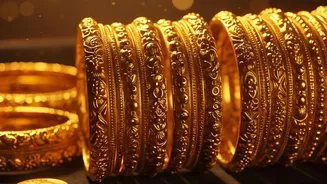
In a society that values community and social ties, gifting gold is a powerful public statement. It is a symbol of wealth, status, and the giver’s affection and respect for the recipient. At weddings, the amount of gold exchanged between families reflects their social standing and blessings for the couple's prosperous future. It is a tangible expression of love and commitment, an heirloom that carries stories and emotional value from one generation to the next. A piece of gold jewellery is never just an object; it is a repository of memories and familial legacy.
Evolving Tastes, Enduring Value
While the reverence for gold remains, modern India is reimagining its relationship with it. Younger generations, while still valuing gold as an investment, are showing a preference for different forms of ownership beyond heavy, traditional jewellery. There is a growing demand for lightweight, minimalist designs suitable for everyday wear, alongside a surge in investments in digital gold and ETFs. Gen Z and millennials often view gold as a financial asset to be leveraged for life goals like buying a home or funding education. They might exchange dated heirlooms for contemporary pieces or simply hold gold as a pure investment. This shift doesn't diminish gold's importance; it adapts it to a new era where style is personal and financial goals are diverse.