






The Zero-Fee Revolution
Since its launch in 2016, UPI has transformed India’s economy, becoming one of the world's largest real-time payment systems. Its core appeal has been its simplicity and, most importantly, the absence of fees for both consumers and merchants. This zero-charge
policy, particularly the zero-Merchant Discount Rate (MDR), was a deliberate government strategy to drive digital payment adoption and formalize the economy. The move was wildly successful, onboarding over 550 million users and moving the country away from a heavy reliance on cash. For the average user and small shopkeeper, UPI became synonymous with free, frictionless commerce.
The Hidden Cost of 'Free'
While transactions are free for users, they are not without cost. Behind every seamless UPI payment is a complex and expensive infrastructure. Banks, payment service providers, and the National Payments Corporation of India (NPCI) incur significant expenses for servers, cybersecurity, fraud detection, and constant system upgrades. The annual operational cost for the entire ecosystem is estimated to be as high as ₹20,000 crore. Until now, these costs have been borne by the banks and payment companies, partially offset by a government subsidy scheme which has been described as inadequate. As transaction volumes surge into the billions each month, the question of financial sustainability has become impossible to ignore.
The Push for a Sustainable Model
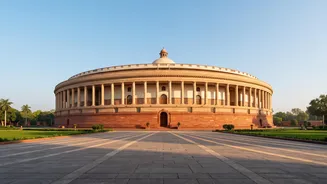
The pressure to introduce charges comes primarily from the financial institutions that power the network. They argue that a sustainable revenue model is essential for the long-term health and security of UPI. Without revenue from transactions, they claim their ability to invest in critical infrastructure, innovate, and combat increasingly sophisticated fraud is compromised. In early August 2026, the Indian Parliament passed the Taxation and Other Laws (Amendment) Bill, which provides an enabling provision for the government to introduce an MDR on certain UPI transactions. Proponents, including the RBI, have pointed out that someone has to pay the cost to keep the system reliable and secure.
The Government’s Balancing Act
The government and the Finance Ministry have been quick to reassure the public. They have clarified that person-to-person (P2P) UPI payments will remain free, and there will be no blanket charges on merchant transactions. The official stance is that UPI is a digital public good, crucial for financial inclusion. Any potential charges would be carefully targeted, likely applying only to high-value transactions (above a threshold like ₹2,000) at large-turnover businesses. Such a move would affect a small percentage of total transaction volume but a significant portion of the value. The government's goal is to strike a balance: ensuring the financial health of the payment ecosystem without deterring the widespread usage that made UPI a success.
What Happens Next?
The amendment passed by Parliament does not automatically impose any fees; it only makes it legally possible. The final decision on the structure and rate of any MDR will be made by a steering committee led by the NPCI. Reports suggest a potential MDR of around 0.3% could be announced for high-value merchant payments. However, critics fear that even if merchants are the ones charged, they will inevitably pass the cost on to consumers, potentially pushing people back towards using cash. There are also arguments that the move comes amid pressure from international card companies like Visa and Mastercard, whose business models have been significantly disrupted by UPI's free-to-use dominance.