






The Comfort of Clones
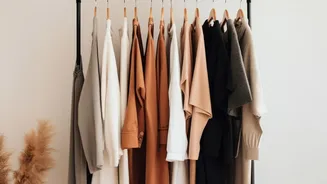
Before you can tackle the duplicates, it helps to understand why they accumulate. We often gravitate towards what we know feels safe and comfortable. This creates a comfort zone in our wardrobe, leading us to buy variations of pieces we already own and love.
It's a way of ensuring we'll look and feel good, eliciting a consistent and positive perception from others. This isn't a personal failing; it's a common psychological pattern. The problem arises when this comfort zone becomes a 'style rut,' preventing variety and leading to a closet full of clones that don't serve distinct purposes. Recognizing this tendency is the first step toward building a more versatile and expressive wardrobe.
Step 1: Create a Master Inventory
The foundation of your wardrobe plan is a detailed inventory. This is more than just a list; it’s a bird's-eye view of everything you own, helping you see the collection as a whole instead of focusing on individual items. To start, pull everything out by category: tops, trousers, dresses, outerwear, and so on. You can use a simple notebook, a spreadsheet, or a wardrobe app. For each item, note key details: type (e.g., long-sleeve tee), colour, material, fit, and condition. The goal of this process is to get a clear, objective look at what you have. This inventory will become an invaluable tool for identifying patterns in your shopping habits and making more informed decisions going forward.
Step 2: Identify the Duplicates
With your written inventory complete, the duplicates will start to become glaringly obvious. When you see you’ve listed 'blue striped button-down shirt' four times, it’s time for a physical comparison. Group these similar items together and evaluate them critically. Which one has the best fit? Which is made from the most comfortable or highest-quality fabric? Which one is the most versatile? Be honest about which ones you actually reach for and which are the 'someday' clothes you pass over for your favourites. The goal isn't necessarily to get down to just one of each item type, but to ensure that every piece you keep serves a unique purpose and makes you feel confident.
Step 3: Define Your Style and Find the Gaps
Your inventory doesn't just reveal what you have too much of; it also shows you what you genuinely love and wear. These core pieces are the building blocks of your personal style. Use them to define what works for your lifestyle. Now, look for the 'fashion holes'—the missing items that would unlock the potential of clothes you already own but never wear. For instance, you might have a great skirt you never wear because you lack the right top or shoes to go with it. Identifying these gaps is crucial. It helps you shift from buying more of the same to strategically acquiring pieces that complete outfits and expand your options.
Step 4: Build a Strategic Shopping List
The final step is to transform your insights into a plan of action. Instead of shopping on impulse, create a specific, priority-based wish list. This list should directly address the wardrobe gaps you've identified. For example, instead of 'new top,' your list might say 'ivory silk camisole to wear with navy blazer and black trousers.' This level of specificity prevents you from defaulting to another near-duplicate. A well-organized wardrobe saves you money by preventing impulse buys and duplicate purchases. Having a plan empowers you to shop intentionally, investing in quality pieces that enhance what you already have and will stand the test of time.